


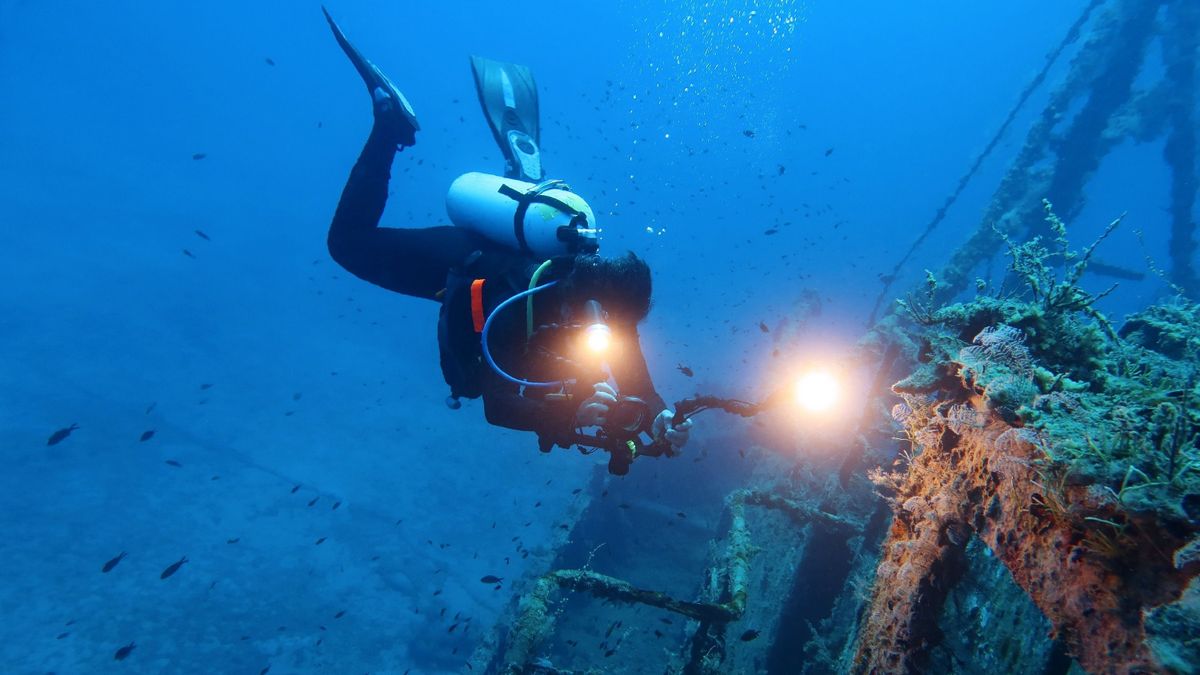
Unique Shipwreck Found Off Swedish Coast
Translated from Hungarian, summarized and contextualized by DistantNews.
TLDR
- An unusual shipwreck, potentially older than the famous Vasa warship, has been discovered off the coast of Sweden.
- Experts believe the Baltic Sea's unique conditions have preserved the wreck in remarkable condition.
- The discovery was reported by the Hungarian news agency MTI.
An extraordinary find has emerged from the depths off the Swedish coast: a remarkably well-preserved shipwreck that experts suggest could even predate the renowned Vasa warship. This discovery, reported by the Hungarian news agency MTI, has generated considerable excitement among maritime historians and archaeologists.
The Baltic Sea's unique environment, characterized by low salinity and minimal oxygen, plays a crucial role in the exceptional preservation of submerged wooden artifacts. These conditions significantly inhibit the activity of wood-boring organisms, allowing ancient structures to survive for centuries with minimal degradation.
The potential age of this newly found wreck places it in a significant historical context. If confirmed to be older than the Vasa, which sank in 1628 and was salvaged in 1961, it could offer invaluable insights into shipbuilding techniques and maritime life from an even earlier era. The Vasa itself is a unique window into 17th-century naval warfare and society, and a predecessor could provide a deeper understanding of historical naval development.
For Hungary, as a landlocked nation, the fascination with such maritime discoveries might seem distant, yet it taps into a broader European heritage. News outlets like Magyar Nemzet reporting on this find connect their audience to significant historical events and archaeological breakthroughs occurring elsewhere in Europe, fostering a sense of shared history and the enduring mysteries of the past. The preservation of such a vessel is a testament to the unique environmental conditions of the Baltic, a detail that adds a scientific dimension to the historical significance.
DistantNews Editorial
Originally published by Magyar Nemzet in Hungarian. Translated, summarized, and contextualized by our editorial team with added local perspective. Read our editorial standards.
More Stories



From Our Blog

Countries Without a Free Press: What You Need to Know

What Press Freedom Means for the News You Read

What Gets Lost (and Found) When News Is Translated

The Critical Role of Diaspora Media in Global News

What Travellers Should Know About Countries with Restricted Press
