


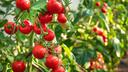
Unlock Bountiful Tomato Harvests: The Kitchen Scraps That Turn Your Garden into a Fertility Oasis
Translated from Croatian, summarized and contextualized by DistantNews.
TLDR
- Gardeners can boost tomato yield by using banana peels as a natural fertilizer, a trick known to experienced growers.
- Banana peels are rich in potassium, crucial for plant growth, flowering, and fruiting, and also contain calcium to prevent blossom end rot.
- A simple method involves steeping chopped banana peels in water for two to three days to create a nutrient-rich liquid to water tomato plants weekly.
For the dedicated gardener, the dream of abundant, juicy tomatoes might be closer than you think, and the secret may lie in something most of us discard without a second thought: banana peels. Večernji List is excited to share a simple yet remarkably effective gardening hack that transforms kitchen waste into a potent fertilizer, promising a veritable oasis of fertility for your vegetable patch.
This isn't just folklore; experienced growers have long recognized the immense value of banana peels. They are packed with essential nutrients, most notably potassium, which is vital for robust plant development, encouraging prolific flowering and fruit production. Furthermore, the presence of calcium helps combat common issues like blossom end rot, a frequent frustration for tomato cultivators. Unlike some fertilizers, banana peels offer these benefits without an excessive amount of nitrogen, preventing the plant from prioritizing leafy growth over fruit development.
The preparation is astonishingly easy and cost-free. By simply chopping up banana peels and soaking them in water for a few days, you create a nutrient-rich 'tea' that can be diluted and applied to your plants. This weekly feeding regimen can significantly enhance the health and yield of your tomatoes, as well as other fruiting plants like peppers, cucumbers, and even strawberries. It's a testament to how sustainable practices and a bit of ingenuity can lead to a bountiful harvest, proving that sometimes, the best solutions are right under our noses—or rather, in our compost bins.
DistantNews Editorial
Originally published by Večernji List in Croatian. Translated, summarized, and contextualized by our editorial team with added local perspective. Read our editorial standards.
More Stories



From Our Blog

What Gets Lost (and Found) When News Is Translated

The Critical Role of Diaspora Media in Global News

What Travellers Should Know About Countries with Restricted Press

A Digital Nomad's Guide to Following Local News

How the Same Story Looks Different in Different Countries
