

Unpaid Care Burden Continues to Limit Women's Opportunities in Rwanda
Translated from English, summarized and contextualized by DistantNews.
TLDR
- Women in Rwanda spend significantly more time on unpaid care and household work than men.
- This disparity limits women's opportunities for paid employment, education, and career advancement.
- The article discusses ongoing efforts to address and alleviate this burden.
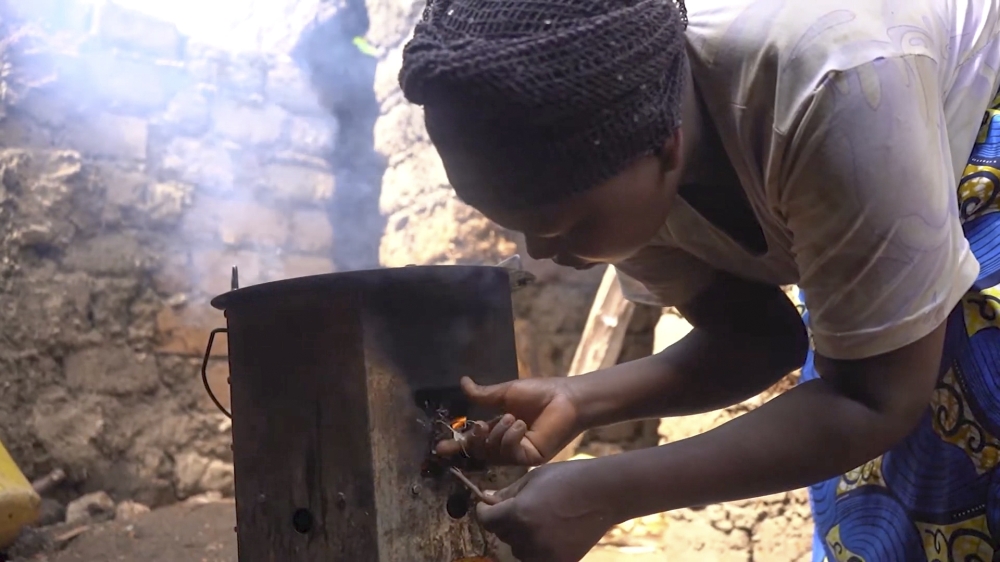
In Rwanda, the persistent imbalance in unpaid care and household work continues to disproportionately affect women, hindering their potential for economic and personal growth. The New Times highlights that this gendered division of labor, where women dedicate substantially more hours to domestic responsibilities, directly curtails their ability to engage in paid work, pursue education, and advance their careers. This issue is not merely a matter of personal inconvenience; it represents a significant barrier to gender equality and national development. While Rwanda has made commendable strides in many areas of gender parity, this deeply ingrained societal norm requires sustained attention and targeted interventions. Efforts are underway to address this burden, recognizing that empowering women economically and socially necessitates a more equitable distribution of domestic responsibilities. The conversation around shared caregiving and household duties is crucial for unlocking the full potential of Rwanda's female population and fostering a more inclusive society. The challenge lies in shifting cultural perceptions and implementing policies that support shared responsibilities, ensuring that women are not held back by an unequal distribution of unpaid labor.
DistantNews Editorial
Originally published by The New Times in English. Translated, summarized, and contextualized by our editorial team with added local perspective. Read our editorial standards.
More Stories



From Our Blog

What Gets Lost (and Found) When News Is Translated

The Critical Role of Diaspora Media in Global News

What Travellers Should Know About Countries with Restricted Press

A Digital Nomad's Guide to Following Local News

How the Same Story Looks Different in Different Countries
