


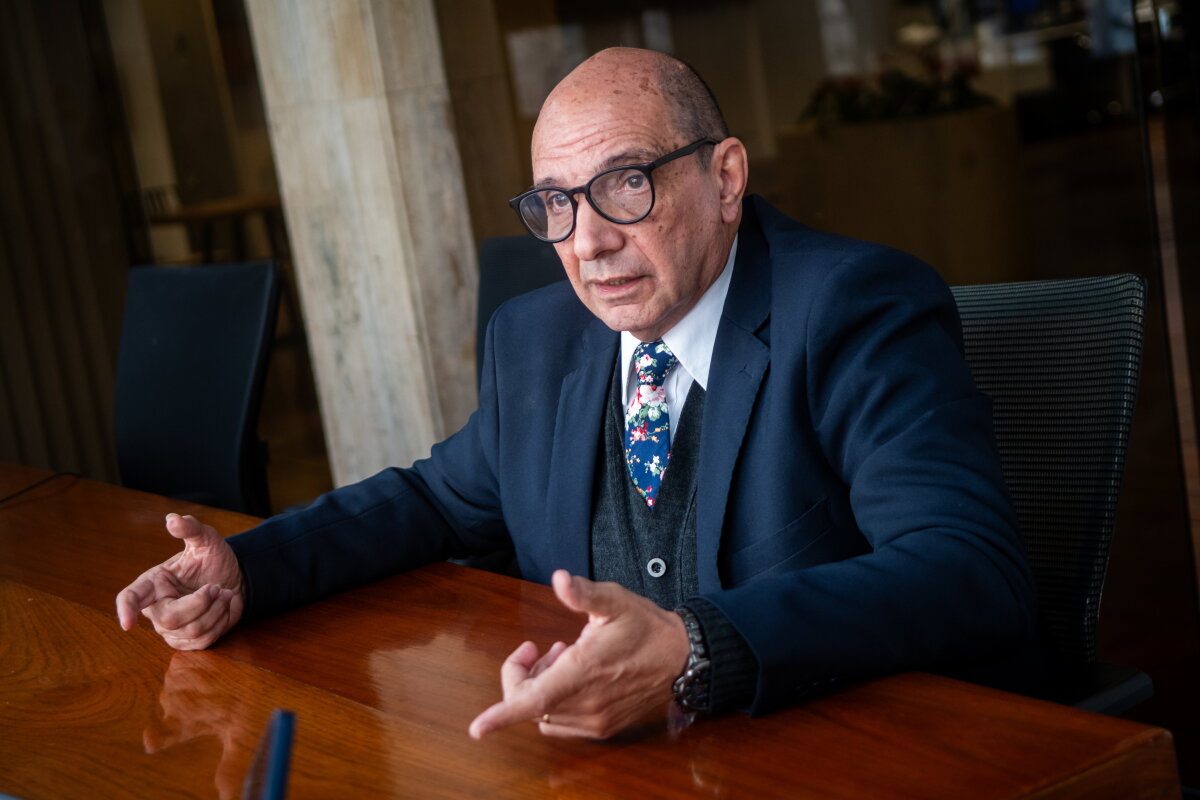
Uruguay Parliament Appoints Daniel Radío as New Prisons Commissioner Amidst Political Accord
Translated from Spanish, summarized and contextualized by DistantNews.
At a glance
News
Named sources
New plan
- Daniel Radío, director of the National Institute for Social Adolescent Inclusion (Inisa), was appointed Uruguay's new Parliamentary Commissioner for Prisons.
- The appointment, supported by major political parties, received 99 out of 101 votes, highlighting broad consensus despite recent political tensions.
- Radío's selection aims to address challenges within the penitentiary system, including institutional violence, with lawmakers expressing confidence in his ability to add value to prison management.
Daniel Radío, currently the director of the National Institute for Social Adolescent Inclusion (Inisa), has been appointed Uruguay's new Parliamentary Commissioner for Prisons. The nomination, backed by the Frente Amplio, National Party, and Colorado Party, secured an overwhelming 99 out of 101 votes, signaling a significant consensus.
It was very difficult to find political understanding among all the benches. However, it ends with a happy ending.
Radío's appointment comes after a period of political friction between the ruling coalition and the opposition. Despite these "asperezas y rispideces" (roughness and friction) in political dialogue, Radío emerged as a figure capable of building broad agreements. Legislators acknowledged the difficulty in reaching political understanding across all parties but celebrated the "happy ending" to the selection process.
The penitentiary system presents a series of challenges that no one ignores. Institutional violence is practiced, with acts of violence exercised by the State through action or omission.
Lawmakers emphasized the pressing challenges within the penitentiary system, including institutional violence. Bettiana Díaz, president of the special commission monitoring the prison situation, recognized Radío's "public servant" vocation and his past work as a deputy focused on prisoners' rights. Pablo Abdala of the National Party highlighted Radío's ability to garner widespread consensus, stating that his name provides confidence in the decision.
Daniel (Radío) is not a man of unanimities, but he gathers broad and generalized consensus.
While Radío stated he has "no foundational purposes, I am not here to save Inisa," his mandate is to address the complex issues facing Uruguay's prisons. Some parties, Identidad Soberana and Cabildo Abierto, did not vote for his appointment and questioned the necessity of the commissioner's role. However, the broad support underscores a shared recognition of the need for improved oversight and management within the correctional facilities.
I have no foundational purposes, I am not here to save Inisa.
DistantNews Editorial
Originally published by El País in Spanish. Translated, summarized, and contextualized by our editorial team with added local perspective. Read our editorial standards.
More Stories


From Our Blog

What Gets Lost (and Found) When News Is Translated

The Critical Role of Diaspora Media in Global News

What Travellers Should Know About Countries with Restricted Press

A Digital Nomad's Guide to Following Local News

How the Same Story Looks Different in Different Countries
