


Uruguayan women poorer and more food insecure than men, study finds
Translated from Spanish, summarized and contextualized by DistantNews.
At a glance
News
Documents & data
New plan
- Uruguayan women experience higher rates of poverty and food insecurity compared to men, according to a new study.
- The study, by INE, Inmujeres, UN Women, and CEPAL, found that for every 100 men in poverty, there are 154 women.
- Gender violence, particularly psychological violence, is prevalent, especially among younger women, and femicide rates remain a concern.
Uruguayan women face greater poverty and food insecurity than men, a comprehensive study reveals. The "Gender Indicators of Uruguay 2024" report, a collaboration between the National Institute of Statistics (INE), the National Institute of Women (Inmujeres), UN Women, and the Economic Commission for Latin America and the Caribbean (CEPAL), highlights significant gender disparities.
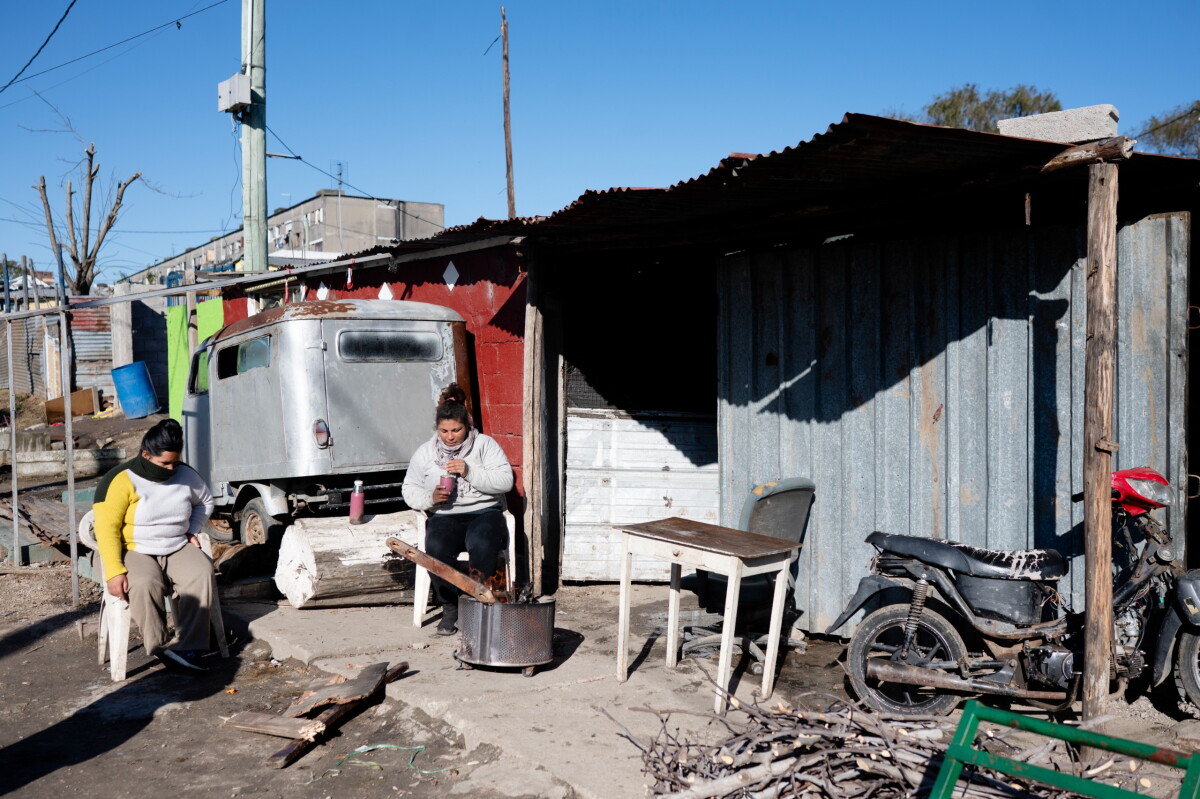
While Uruguay has one of the lowest poverty rates in the region, the "femininity of poverty" is notably high. The study indicates that for every 100 men living in poverty, there are approximately 154 women. This gap widens for women of reproductive age (25-49) due to the disproportionate burden of childcare and domestic responsibilities.
Food insecurity has also increased, particularly for women, rising from an average of 14.8% between 2017-2019 to 18.7% between 2021-2023. This issue is more acute in households with young children. Furthermore, the report addresses the persistent issue of gender-based violence. Despite legal frameworks, implementation remains a challenge. Nearly 20% of women over 15 reported experiencing violence from partners or ex-partners in the past year, with psychological violence being the most common, especially among younger women aged 15-29.
Femicide rates in Uruguay range between 22 and 28 per year, placing the country seventh among 17 Latin American nations for femicide rates. Mónica Xavier, director of Inmujeres, acknowledged that while the state is involved in addressing gender violence, its actions are often uncoordinated. She emphasized the need for integral care models to prevent re-victimization.
DistantNews Editorial
Originally published by El País in Spanish. Translated, summarized, and contextualized by our editorial team with added local perspective. Read our editorial standards.
More Stories

From Our Blog

What Gets Lost (and Found) When News Is Translated

The Critical Role of Diaspora Media in Global News

What Travellers Should Know About Countries with Restricted Press

A Digital Nomad's Guide to Following Local News

How the Same Story Looks Different in Different Countries
