

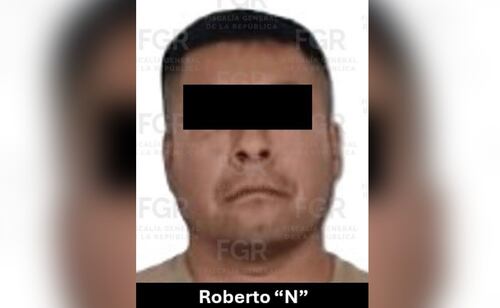

US Accusations Against Mexican Governor Challenge Sheinbaum, Spark Sovereignty Debate
Translated from Spanish, summarized and contextualized by DistantNews.
TLDR
- The United States has accused Mexican Governor Rubén Rocha Moya and nine other officials of conspiring with the Sinaloa Cartel to launder money, traffic drugs, and use weapons.
- This accusation challenges Mexican President-elect Claudia Sheinbaum and is framed by the article as an "imperial arrogance" by the US, potentially serving pre-election purposes.
- The article criticizes Sheinbaum's potential nationalist response and advocates for alternative drug policies, including legalization and confiscation of cartel assets.
- It also notes the historical shift in Mexico's drug policy, from dissimulation to Calderón's "war on drugs" and AMLO's "hugs, not bullets" approach, which Sheinbaum has inherited.
The recent accusation by the United States against Governor Rubén Rocha Moya and other Sinaloan officials, alleging a conspiracy with the Sinaloa Cartel, presents a significant challenge to President-elect Claudia Sheinbaum's incoming administration. El Universal, from its position in Mexico City, views this move with deep skepticism, interpreting it not merely as a legal matter but as a politically charged maneuver by the U.S., potentially timed for electoral advantage. The article suggests that the U.S. harbors a persistent belief that Mexico is effectively governed by drug cartels.
This accusation, framed as "imperial arrogance," is seen as an attempt to undermine Mexico's sovereignty. The article anticipates that Sheinbaum may leverage this situation for nationalist purposes, rallying for "National Unity" against perceived foreign intervention, thereby deflecting from her own government's alleged ties to cartels. The piece criticizes the binary choice presented—either align with the U.S. or embrace nationalism—and argues for a more nuanced approach to combating drug trafficking.
El Universal advocates for a fundamental shift in drug policy, proposing the legalization of drug production, distribution, and consumption as a core strategy to dismantle criminal organizations. Furthermore, it calls for the confiscation of cartel assets, the apprehension of key cartel leaders, and U.S. cooperation in preventing arms trafficking into Mexico. The article also emphasizes the need for economic solutions, such as providing well-paid employment opportunities to those involved in the cartel's operational chain.
The piece reflects on Mexico's evolving drug policy, from the era of "dissimulation" under Rocha Moya to the more aggressive "war on drugs" initiated by Calderón, and subsequently AMLO's "hugs, not bullets" policy, which Sheinbaum is set to inherit. The U.S. indictment, particularly the demand for Rocha Moya's deportation to face charges in New York, is seen as a continuation of pressure tactics. The article concludes by rejecting simplistic, binary views of international relations, particularly the notion of a pure "South" versus an imperialist "North," and calls for a more complex and pragmatic approach to both domestic and international challenges.
DistantNews Editorial
Originally published by El Universal in Spanish. Translated, summarized, and contextualized by our editorial team with added local perspective. Read our editorial standards.
More Stories
From Our Blog

What Press Freedom Means for the News You Read

What Gets Lost (and Found) When News Is Translated

The Critical Role of Diaspora Media in Global News

What Travellers Should Know About Countries with Restricted Press

A Digital Nomad's Guide to Following Local News
