

US Blockade Chokes Iran’s Oil Lifeline, Threatening Production Cuts
Translated from English, summarized and contextualized by DistantNews.
TLDR
- An American blockade is severely impacting Iran's oil exports, threatening to force production cuts.
- Experts suggest Iran may need to reduce output significantly within weeks due to export and storage limitations.
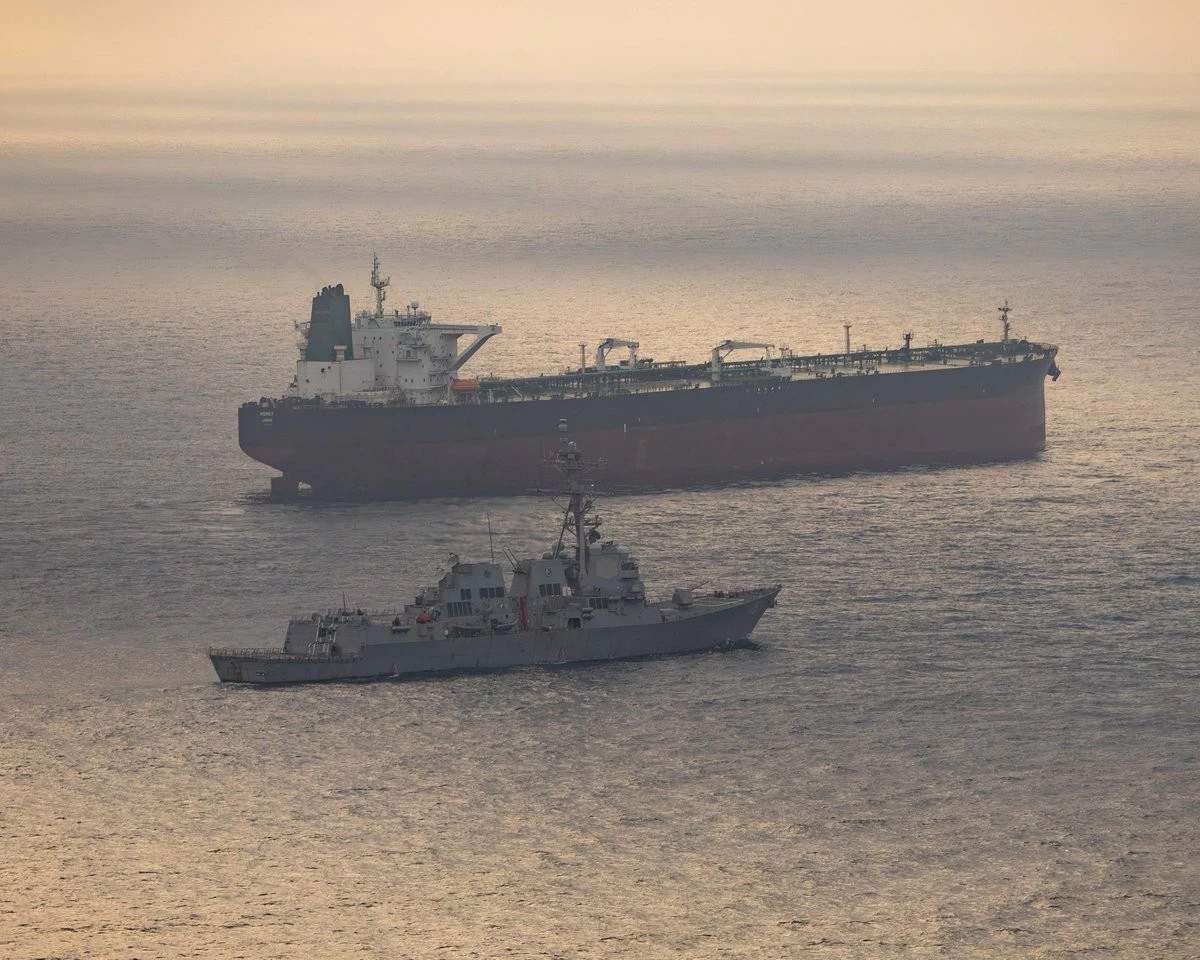
- The sanctions are tightening, with the U.S. seizing tankers carrying Iranian oil, impacting Iran's economy and global energy prices.
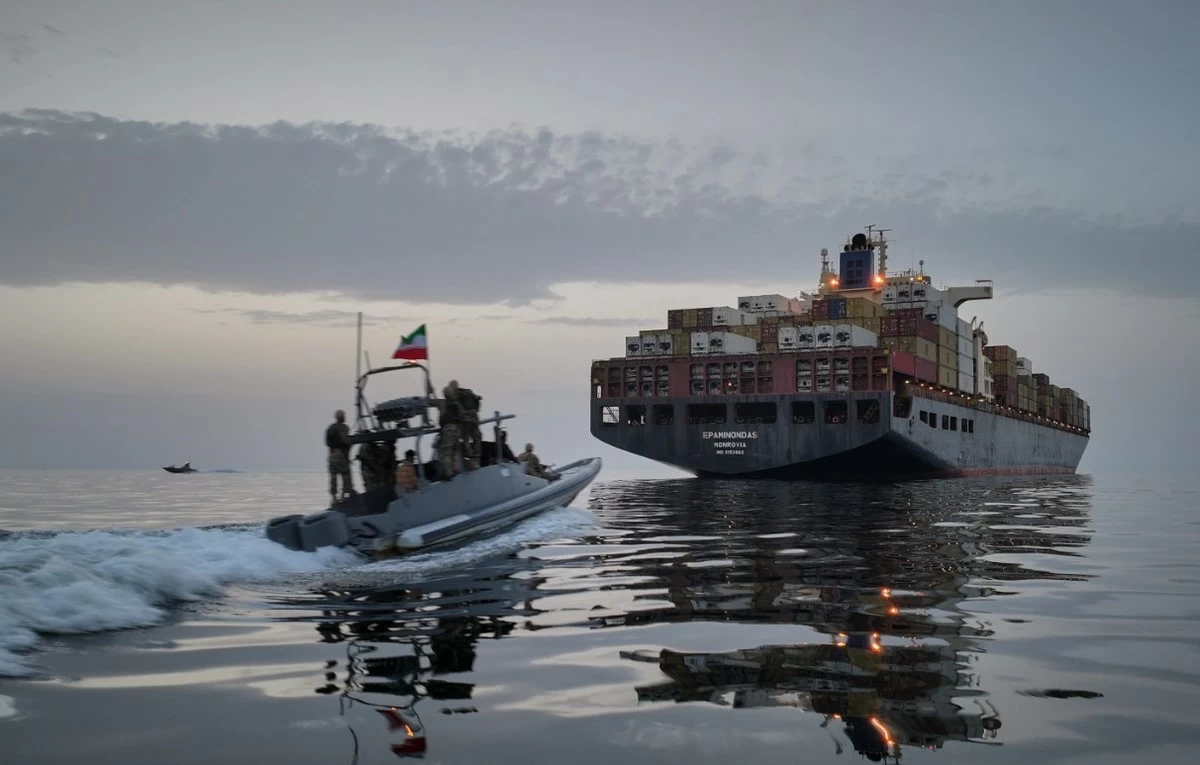
The United States' stringent blockade is tightening its grip on Iran's vital oil lifeline, creating a precarious situation that could compel the Islamic Republic to drastically curtail its crude oil production. With avenues for exporting its pumped oil dwindling and domestic storage capacity reaching its limit, experts warn that Iran might be forced to shut down some wells in as little as two weeks. This escalating pressure, driven by the U.S. Treasury Department's intensified sanctions and the seizure of tankers suspected of carrying Iranian oil, poses a significant threat to Iran's economy, which is already reeling from conflict, unrest, and decades of international sanctions.
are really resisting” shutting down oil wells because of how painful that would be long-term.
While the situation may not be as immediately dire as some U.S. pronouncements suggest, the long-term implications are profound. Production from Iran's aging oil wells, if halted, may prove difficult, if not impossible, to restart, thereby undermining the nation's future oil output. Analysts indicate that Iran may have already begun to moderate its production to stave off outright shutdowns. The economic consequences are palpable, with reduced hard currency inflows impacting an already strained economy. Concurrently, the reduced flow of Iranian oil is exacerbating global energy market disruptions, contributing to shortages of jet fuel and rising gasoline prices worldwide.
They’ve been under sanctions, they’ve been isolated for 47 years now. Those oil wells are not maintained well. Their machinery is not maintained well.
From our perspective, the U.S. blockade represents a deliberate strategy to cripple Iran's oil industry, a cornerstone of its economy. The effectiveness of these sanctions, coupled with Iran's own actions in the Strait of Hormuz, creates a complex geopolitical dynamic. The challenge for Iran lies in navigating these pressures without causing irreparable damage to its energy sector, a critical component of its national resilience. The international community watches closely as this economic warfare unfolds, with significant implications for regional stability and global energy markets.
Once shut off, the wells won’t easily “snap back after a few months.”
DistantNews Editorial
Originally published by Arab Times in English. Translated, summarized, and contextualized by our editorial team with added local perspective. Read our editorial standards.
More Stories

From Our Blog

What Gets Lost (and Found) When News Is Translated

The Critical Role of Diaspora Media in Global News

What Travellers Should Know About Countries with Restricted Press

A Digital Nomad's Guide to Following Local News

How the Same Story Looks Different in Different Countries
