

US Blockades Iranian Ports Amidst Ceasefire Concerns
Translated from English, summarized and contextualized by DistantNews.
TLDR
- The US announced a blockade of ships entering or departing Iranian ports, effective Monday 10 am US eastern time.
- However, the US clarified it would not impede vessels to and from non-Iranian ports.
- Iran's Revolutionary Guard Corps warned any approach to the Strait of Hormuz would be considered a violation of the ceasefire and met with force.
- Approximately 20% of global oil trade relies on the strait.
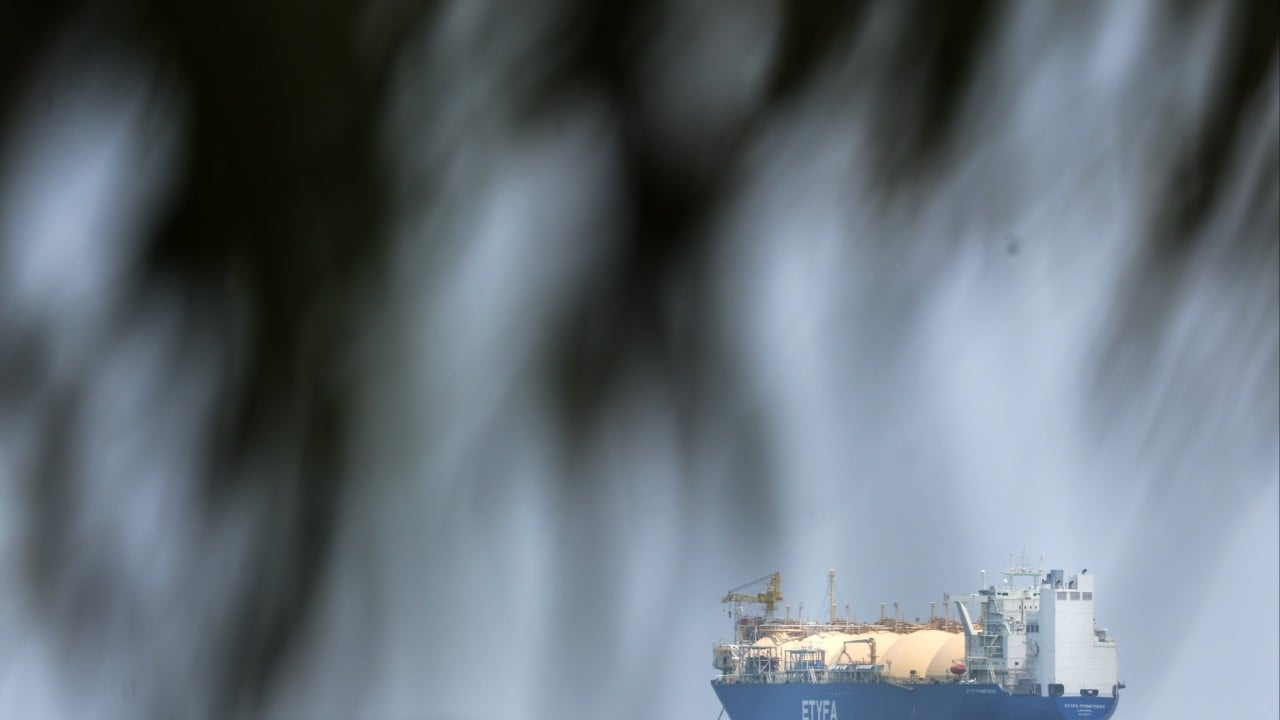
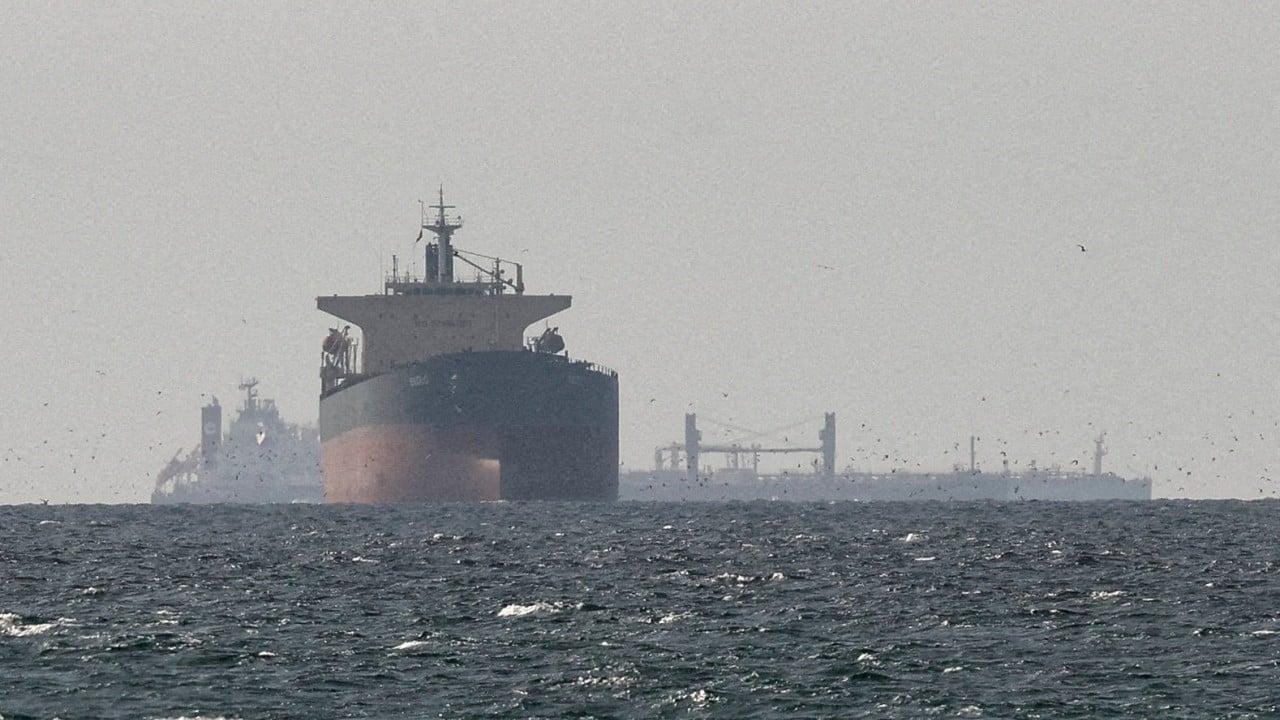
The United States has escalated tensions by announcing a blockade of ships entering or departing Iranian ports, a move that analysts warn could jeopardize the fragile ceasefire and worsen the energy crisis. While US Central Command stated the blockade would take effect Monday, they later clarified it would not impede vessels bound for non-Iranian ports. This partial blockade, however, still poses a significant threat to Iran's economic lifeline, with around 20% of the global oil trade dependent on the Strait of Hormuz. Iran's Revolutionary Guard Corps has responded with a stern warning, vowing forceful retaliation against any military vessel approaching the strait under any pretext, viewing it as a violation of the existing ceasefire agreement. The strategic implications of this move are considerable, as the US could position warships outside the range of Iran's anti-ship missiles to interdict vessels, thereby tightening the economic noose around Tehran.
The US blockade of the Strait of Hormuz may give it a strategic advantage over Iran, but analysts warned that the increased pressure on Iran may call the ceasefire into question and deepen the energy crisis.
DistantNews Editorial
Originally published by South China Morning Post in English. Translated, summarized, and contextualized by our editorial team with added local perspective. Read our editorial standards.
More Stories

From Our Blog

Countries Without a Free Press: What You Need to Know

What Press Freedom Means for the News You Read

What Gets Lost (and Found) When News Is Translated

The Critical Role of Diaspora Media in Global News

What Travellers Should Know About Countries with Restricted Press
