


US declares end to military campaign against Iran
Translated from Vietnamese, summarized and contextualized by DistantNews.
TLDR
- U.S. Secretary of State Marco Rubio announced the end of American offensive operations against Iran in the Strait of Hormuz.
- Rubio stated the U.S. is now in a "defensive posture" and will respond forcefully only if attacked first.
- The U.S. military remains prepared for large-scale combat operations if ordered, despite the current de-escalation.
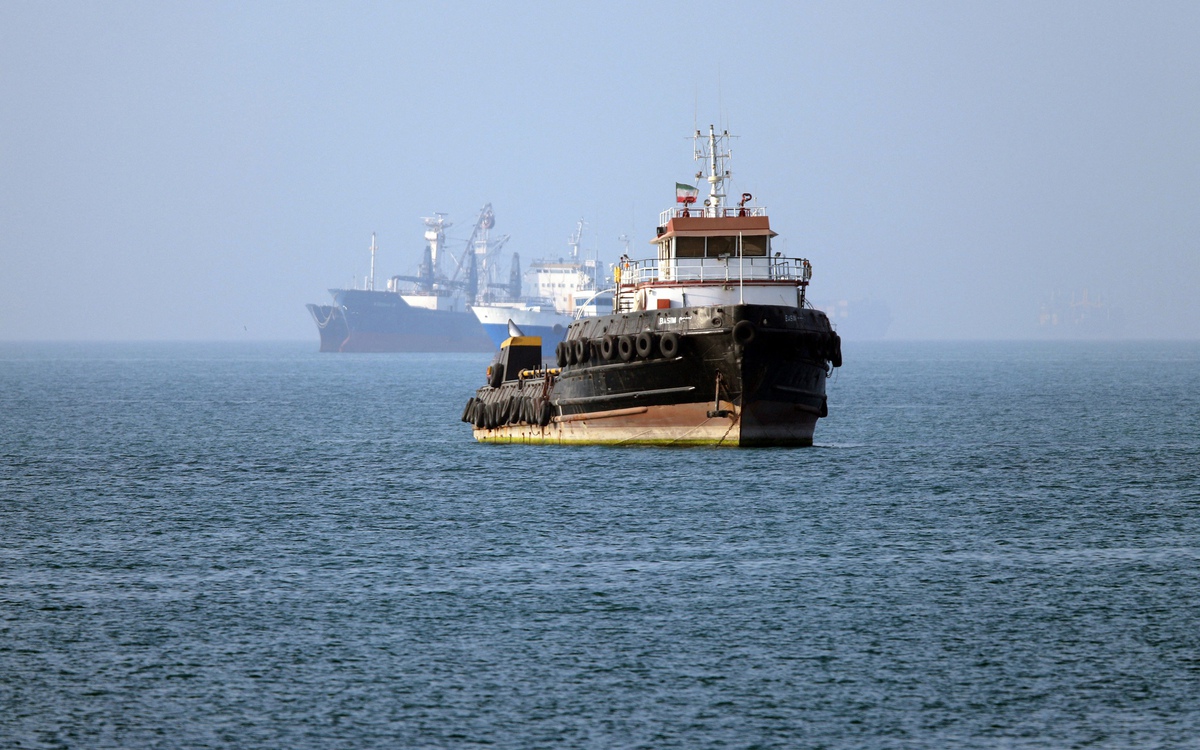
The United States has declared the conclusion of its offensive military operations targeting Iran in the Strait of Hormuz, a significant shift in posture announced by Secretary of State Marco Rubio. Speaking at a White House press conference, Rubio confirmed that "The operation has ended. We have finished that phase." He emphasized that the U.S. is now adopting a "defensive" stance, prioritizing the restoration of commercial traffic through the vital waterway. Rubio clarified that there will be no further offensive actions unless the U.S. is fired upon first, signaling a move away from direct confrontation.
Chiến dịch đã kết thúc. Chúng tôi đã xong giai đoạn đó
Despite this de-escalation, the U.S. military remains on alert. General Dan Caine, Chairman of the Joint Chiefs of Staff, noted that the U.S. Central Command (CENTCOM) is "ready to resume large-scale combat operations if ordered." He cautioned that "No enemy should mistake our present restraint for a lack of determination," underscoring the U.S.'s continued resolve to protect its interests and allies in the region. This statement highlights the delicate balance the U.S. is attempting to strike between reducing immediate tensions and maintaining a credible deterrent.
Đây sẽ không phải là một chiến dịch tấn công. Sẽ không có nổ súng, trừ khi chúng tôi bị bắn trước
This development follows a period of heightened tensions and exchanges of fire between the U.S. and Iran in the Persian Gulf on May 4th, which had jeopardized a ceasefire agreement. U.S. military reports indicated that American forces repelled Iranian drone, missile, and armed vessel attacks while escorting two U.S.-flagged ships through the Strait of Hormuz. The ongoing blockade of the strait has been a major impediment to U.S.-Iran negotiations aimed at ending the conflict, with Tehran showing little sign of relenting. President Donald Trump's earlier announcement of a pause in "Project Freedom," the U.S. effort to escort ships through Hormuz, aligns with this new defensive strategy, suggesting a potential diplomatic opening.
Không kẻ thù nào nên nhầm lẫn sự kiềm chế hiện tại của chúng tôi với việc thiếu quyết tâm
From a Vietnamese perspective, this news is particularly relevant given the strategic importance of maritime chokepoints like the Strait of Hormuz. Vietnam, as a nation with significant maritime interests and a commitment to international trade, understands the critical need for freedom of navigation. While Western media might focus on the geopolitical implications for U.S.-Iran relations, Vietnamese coverage would likely emphasize the impact on global trade and regional stability. The careful wording of "defensive posture" and the warning against misinterpreting restraint suggest a strategic calculation by the U.S. to avoid further escalation while signaling continued capability and willingness to act if provoked. The emphasis on restoring commercial traffic resonates with Vietnam's own economic priorities.
Dự án Tự do" sẽ tạm dừng trong lúc Mỹ nỗ lực hoàn tất thỏa thuận với Iran . "Dự án Tự do" là nỗ lực của Mỹ nhằm hộ tống các tàu bị mắc kẹt đi qua eo biển Hormuz.
DistantNews Editorial
Originally published by Tuổi Trẻ in Vietnamese. Translated, summarized, and contextualized by our editorial team with added local perspective. Read our editorial standards.
More Stories


From Our Blog

What Gets Lost (and Found) When News Is Translated

The Critical Role of Diaspora Media in Global News

What Travellers Should Know About Countries with Restricted Press

A Digital Nomad's Guide to Following Local News

How the Same Story Looks Different in Different Countries
