


US imposes new tariffs on 60 trading partners over forced labor concerns
Translated from German, summarized and contextualized by DistantNews.
At a glance
News
Named sources
New plan
- The U.S. is imposing new tariffs of 10% or 12.5% on imports from 60 trading partners, including the EU, UK, and Canada.
- These tariffs are justified by the U.S. government as a response to allegedly insufficient measures against forced labor.
- The new tariffs replace a previous 10% global tariff that expired, with the U.S. seeking a new legal basis for trade restrictions after a Supreme Court decision.
The United States is implementing new tariffs, set at either 10% or 12.5%, on goods imported from 60 trading partners, including the European Union, the United Kingdom, and Canada. The U.S. Trade Representative's office announced that these measures are a response to what Washington deems inadequate efforts by these nations to combat forced labor. The new tariffs are scheduled to take effect early Friday, replacing a previous 10% global tariff that has now expired.
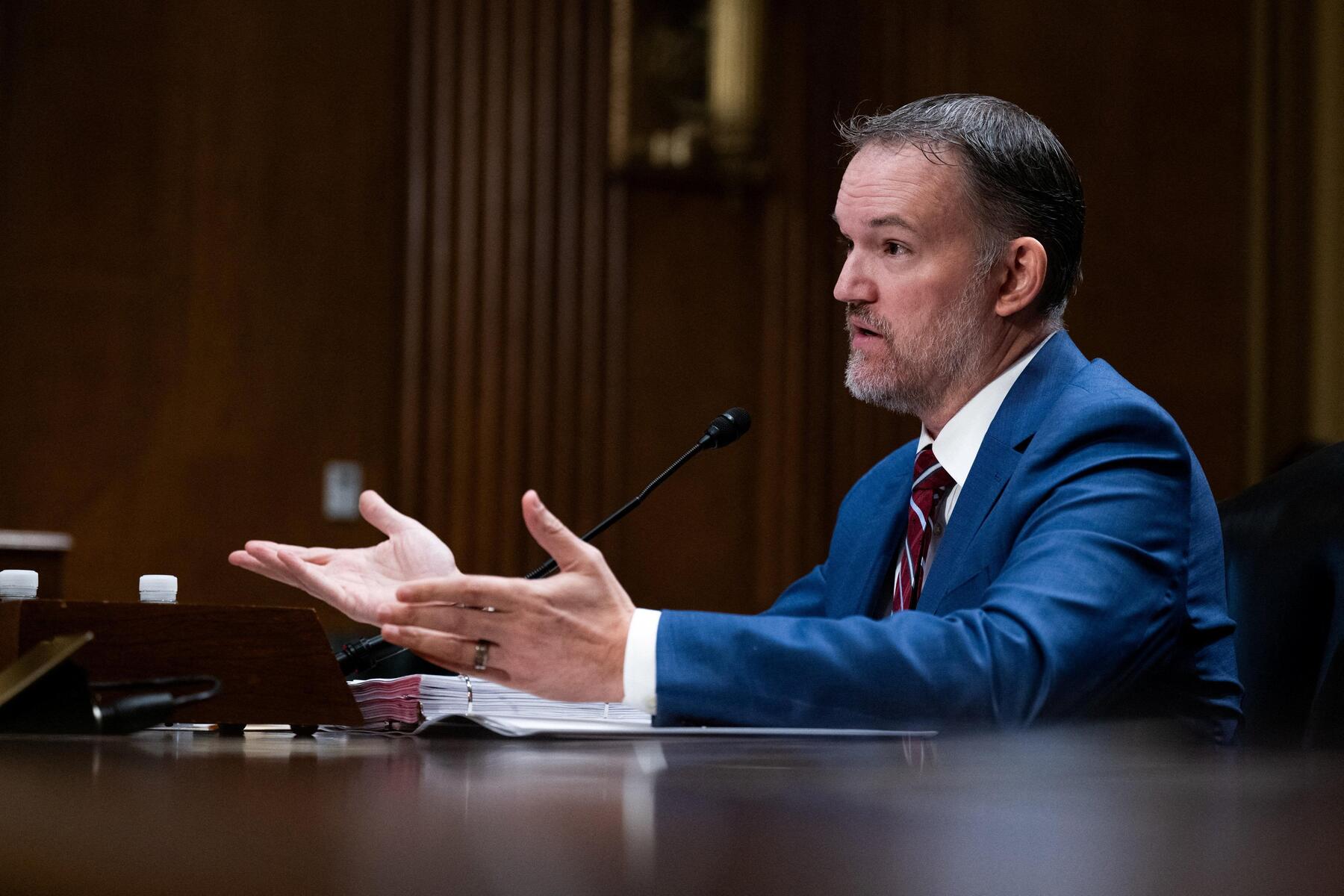
According to U.S. Trade Representative Jamieson Greer, the tariffs are being imposed under Section 301 of the Trade Act of 1974. This legislation allows the U.S. president to levy duties on countries employing "unreasonable or discriminatory trade practices." The administration's justification centers on the alleged failure of trading partners to adequately prohibit or enforce bans on goods produced with forced labor, which the U.S. argues disadvantages American companies adhering to such regulations.
This move follows a U.S. Supreme Court decision in February that invalidated some of former President Donald Trump's earlier tariffs. In response, Trump introduced a temporary 10% global tariff, which was only permitted to last for 150 days and expired concurrently with the announcement of these new measures. The U.S. government initiated an investigation to establish an alternative legal foundation for continued tariffs, leading to the current focus on forced labor practices.
Countries that Washington believes are making at least some effort against forced labor, such as the EU, Canada, India, and the UK, will face the lower 10% tariff. However, nations like China, Japan, and South Korea, along with dozens of others, will be subject to the higher 12.5% rate. Australia and New Zealand have sharply criticized the new tariffs, with Australia's Trade Minister Don Farrell calling them "unjustified" and contrary to their free trade agreement, demanding their abolition. New Zealand's Prime Minister Christopher Luxon expressed similar disappointment, stating that tariffs are not the appropriate solution.
DistantNews Editorial
Originally published by Die Presse in German. Translated, summarized, and contextualized by our editorial team with added local perspective. Read our editorial standards.
More Stories
From Our Blog

What Gets Lost (and Found) When News Is Translated

The Critical Role of Diaspora Media in Global News

What Travellers Should Know About Countries with Restricted Press

A Digital Nomad's Guide to Following Local News

How the Same Story Looks Different in Different Countries
