


US-Iran peace talks at critical juncture... Trump: 'Cannot accept the answer'
Translated from Korean, summarized and contextualized by DistantNews.
TLDR
- US-Iran peace talks have reached a critical juncture as President Trump rejected Iran's counter-proposal.
- Trump's outright refusal to accept Iran's response has escalated tensions between the two nations.
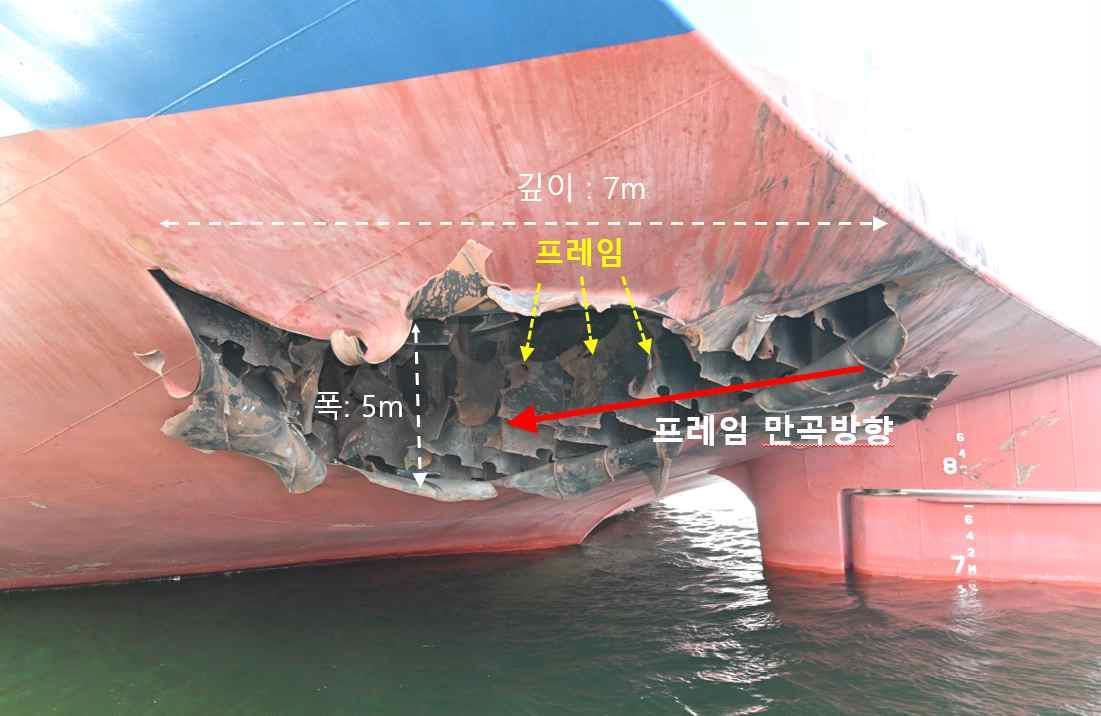
- The diplomatic resolution faces a significant hurdle amid ongoing physical confrontations in the Strait of Hormuz.
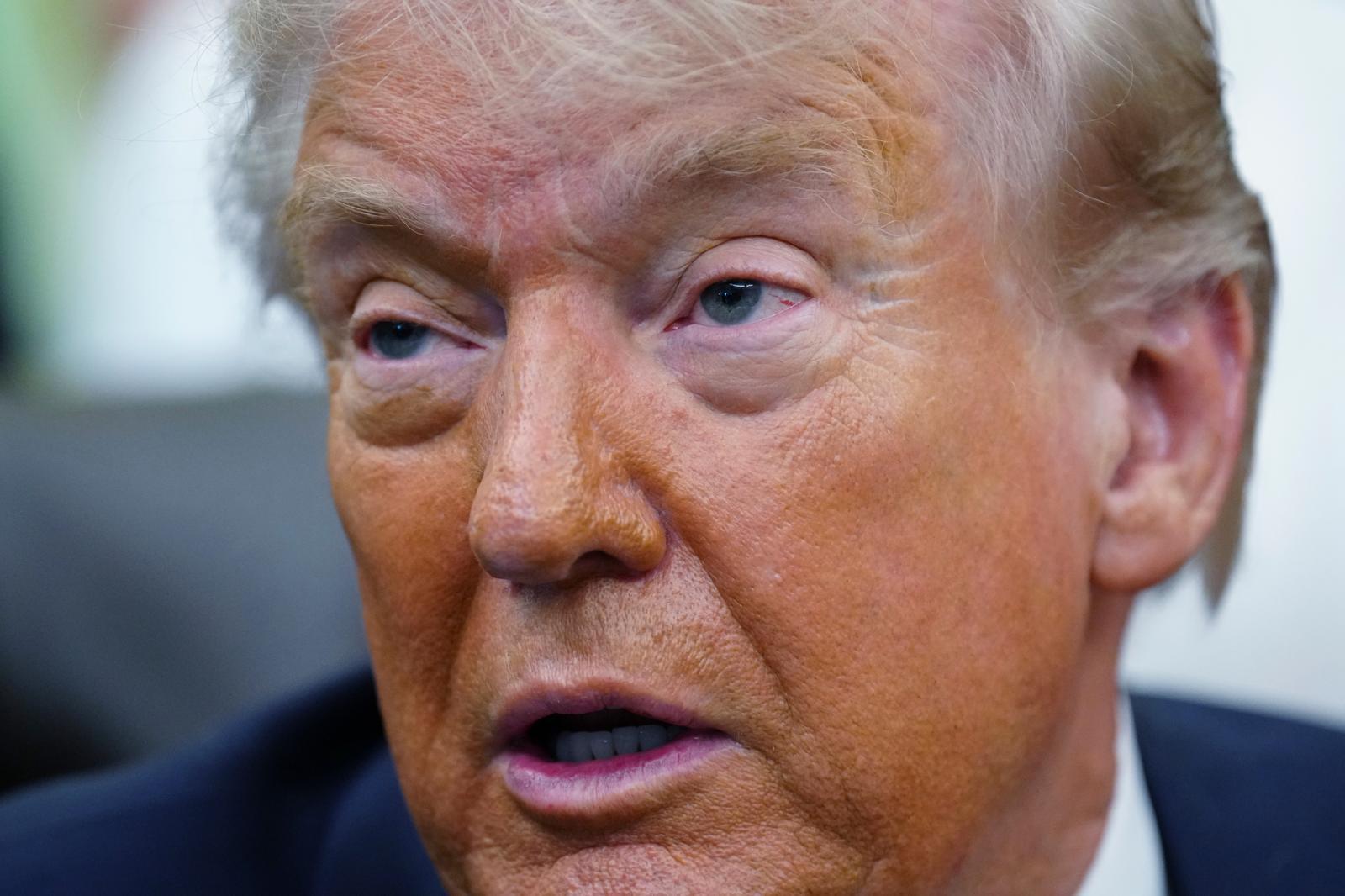
The fragile peace process between the United States and Iran now stands at a pivotal moment, teetering on the brink of collapse. President Donald Trump's definitive rejection of Iran's latest response to the US peace proposal, labeling it 'absolutely unacceptable,' has reignited a palpable sense of tension. This hardline stance from the American administration signals a potential derailment of diplomatic efforts, leaving the future of the negotiations in serious doubt.
This development is particularly concerning given the history of physical confrontations that have occurred between the two nations, specifically in the vicinity of the Strait of Hormuz. The strait, a vital artery for global oil transit, has been a focal point of friction, and the current diplomatic stalemate raises fears of renewed instability in the region. The potential for miscalculation or escalation is heightened when diplomatic channels are perceived to be closing.
From a Korean perspective, the situation in the Strait of Hormuz and the broader US-Iran relations are closely watched. Stability in this region is crucial for global energy security, which directly impacts economies worldwide, including South Korea's. While the immediate focus is on the US-Iran dynamic, the ripple effects of any escalation could be felt far beyond the immediate parties involved. The breakdown of these talks underscores the immense challenges in navigating complex international relations and the delicate balance required to achieve lasting peace.
DistantNews Editorial
Originally published by Chosun Ilbo in Korean. Translated, summarized, and contextualized by our editorial team with added local perspective. Read our editorial standards.
More Stories


From Our Blog

What Gets Lost (and Found) When News Is Translated

The Critical Role of Diaspora Media in Global News

What Travellers Should Know About Countries with Restricted Press

A Digital Nomad's Guide to Following Local News

How the Same Story Looks Different in Different Countries
