


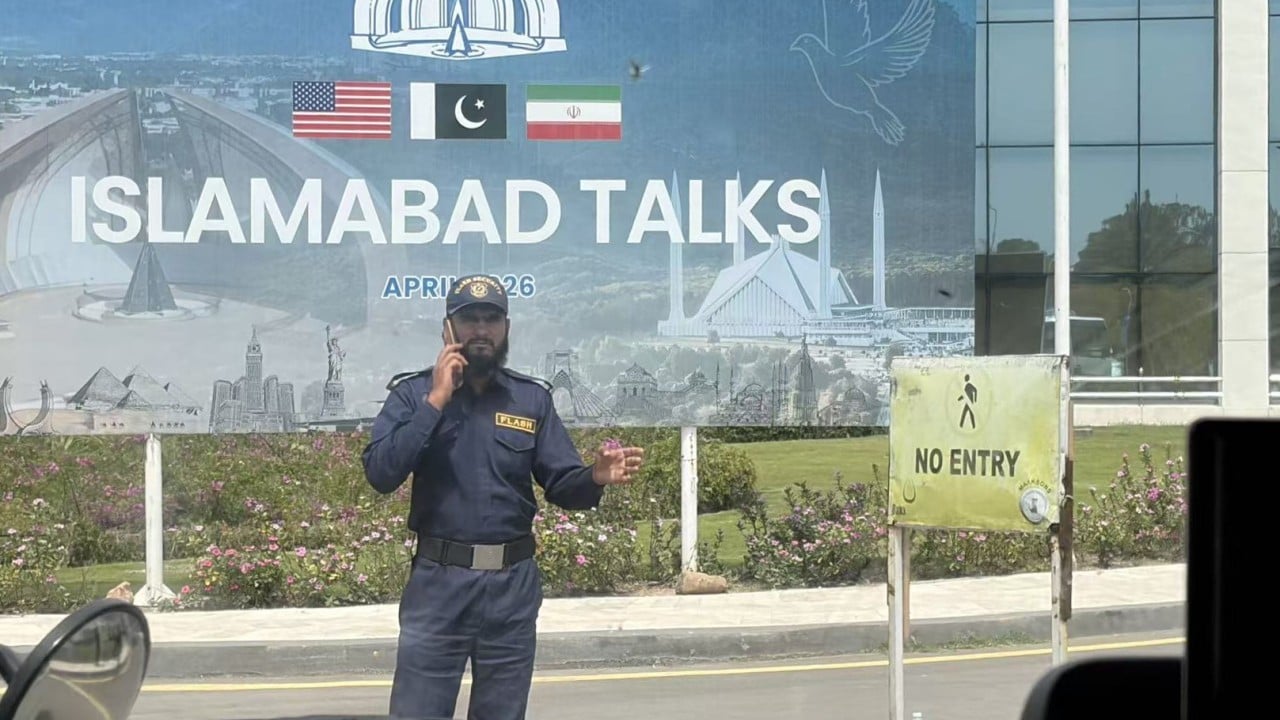
US-Iran Talks Continue Amidst Trust Deficit and Nuclear Concerns
Translated from English, summarized and contextualized by DistantNews.
TLDR
- US and Iran are reportedly nearing a potential deal after 21 hours of talks in Islamabad, with Iran indicating a desire to negotiate.
- Analysts suggest a limited settlement is possible despite a significant trust deficit between the two nations.
- Key sticking points include Iran's nuclear program and the US's stance on potential threats to the Strait of Hormuz.
Negotiations between the United States and Iran are at a critical juncture, with both sides reportedly signaling a willingness to engage in further talks in Islamabad. The recent 21-hour session concluded without a definitive agreement, yet the indication from the US that Iran has "called" suggests a potential opening for a deal.
we’ve been called by the other side and they want to work a deal
Analysts observe that while a complete resolution remains elusive due to a profound lack of trust, the possibility of a limited or temporary settlement cannot be dismissed. The cautious approach from both Washington and Tehran underscores the delicate balance they are attempting to strike amidst ongoing geopolitical tensions.
no deal had been reached because Washington failed to win Tehran’s trust
However, the path forward is fraught with challenges. The success of these negotiations hinges on the pragmatic adjustment of expectations by both parties. The inherent distrust between the US and Iran creates a volatile environment where a single strategic miscalculation could reignite conflict. Iran's lead negotiator, Mohammad Bagher Ghalibaf, has explicitly stated that a deal was not reached due to Washington's failure to build Tehran's trust. Meanwhile, US Vice President J.D. Vance has pointed to Iran's lack of a "fundamental commitment of will" to halt its nuclear weapons development, highlighting the deep-seated issues that need to be addressed.
Tehran’s failure to make a “fundamental commitment of will” not to develop nuclear weapons
DistantNews Editorial
Originally published by South China Morning Post in English. Translated, summarized, and contextualized by our editorial team with added local perspective. Read our editorial standards.
More Stories

From Our Blog

Countries Without a Free Press: What You Need to Know

What Press Freedom Means for the News You Read

What Gets Lost (and Found) When News Is Translated

The Critical Role of Diaspora Media in Global News

What Travellers Should Know About Countries with Restricted Press
