

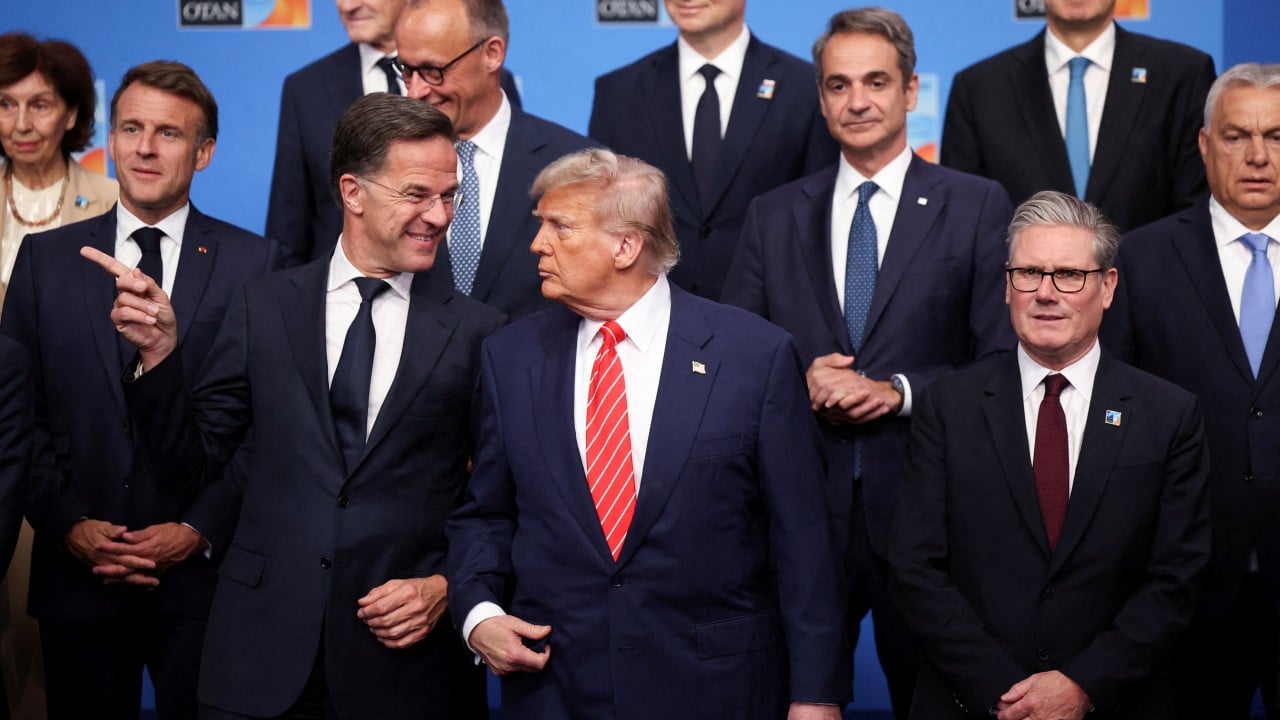
US-Iran war: is Trump falling into a Vietnam ‘quagmire’?
Summarized and contextualized by DistantNews.
At a glance
News
Sources not specified
Ongoing story
- The US reimposed a naval blockade on Iranian ports and conducted new strikes, escalating the five-month conflict.
- Oil prices rose as renewed hostilities disrupted shipping in the Strait of Hormuz.
- Iran reported over 260 wounded in recent US strikes and launched retaliatory attacks on US-linked targets.
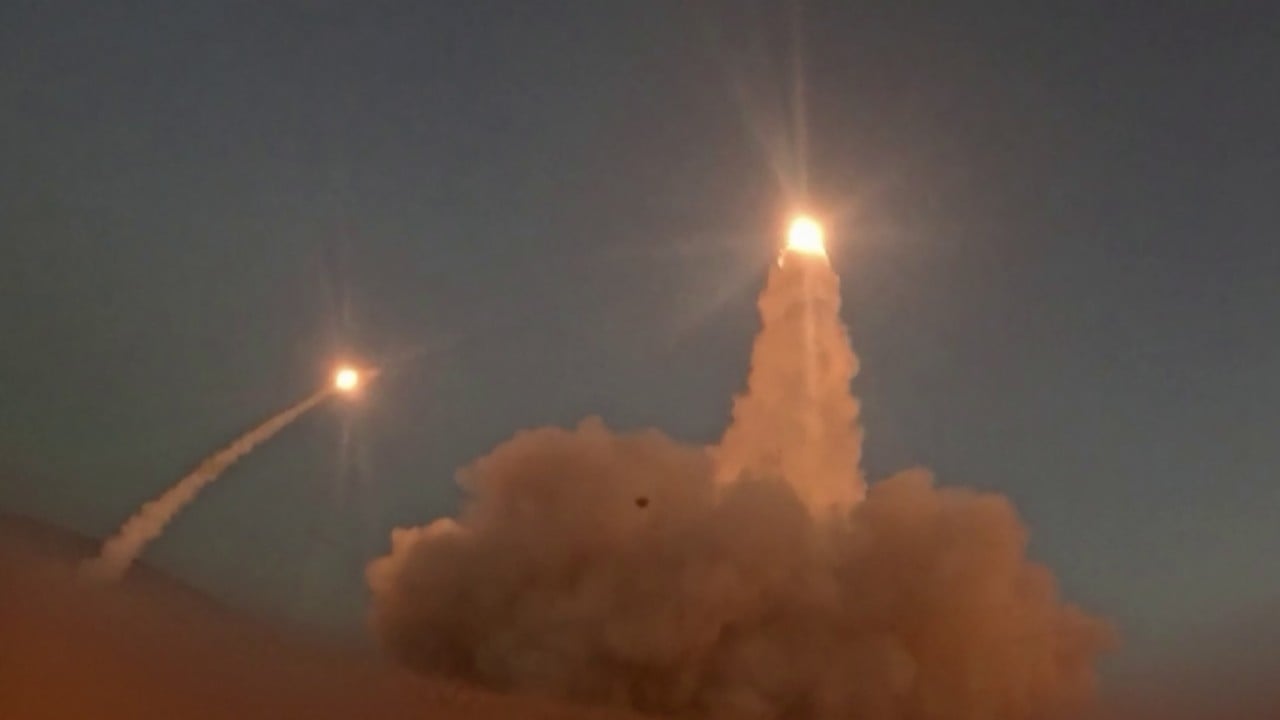
Hostilities between the United States and Iran have intensified again, with the US reimposing a naval blockade on Iranian ports and American forces engaging in fresh strikes. This renewed cycle of conflict, now in its fifth month, is testing both Tehran's resilience and Washington's commitment to a prolonged engagement. Some analysts are drawing parallels to the prolonged wars faced by past US presidents, such as in Vietnam and Afghanistan, citing the potential political costs.
Oil prices climbed on Wednesday as the escalation disrupted shipping in the Strait of Hormuz, a critical chokepoint for global energy flows. The US military announced a "90-minute wave" of precision strikes aimed at degrading Iran's ability to attack commercial shipping in the vital waterway. Before the conflict began in late February, the strait handled approximately one-fifth of the world's oil and gas.
Iranian officials reported that over 260 people were wounded in the latest overnight US strikes, undermining a ceasefire agreement reached last month. In retaliation, Tehran launched drone and missile attacks on US-linked targets in Jordan, Bahrain, and Kuwait, vowing to keep the waterway closed until US aggression ceases. The conflict continues to create significant geopolitical and economic instability.
DistantNews Editorial
Originally published by South China Morning Post. Summarized and contextualized by our editorial team with added local perspective. Read our editorial standards.
More Stories

From Our Blog

Countries Without a Free Press: What You Need to Know

What Press Freedom Means for the News You Read

What Gets Lost (and Found) When News Is Translated

The Critical Role of Diaspora Media in Global News

What Travellers Should Know About Countries with Restricted Press
