

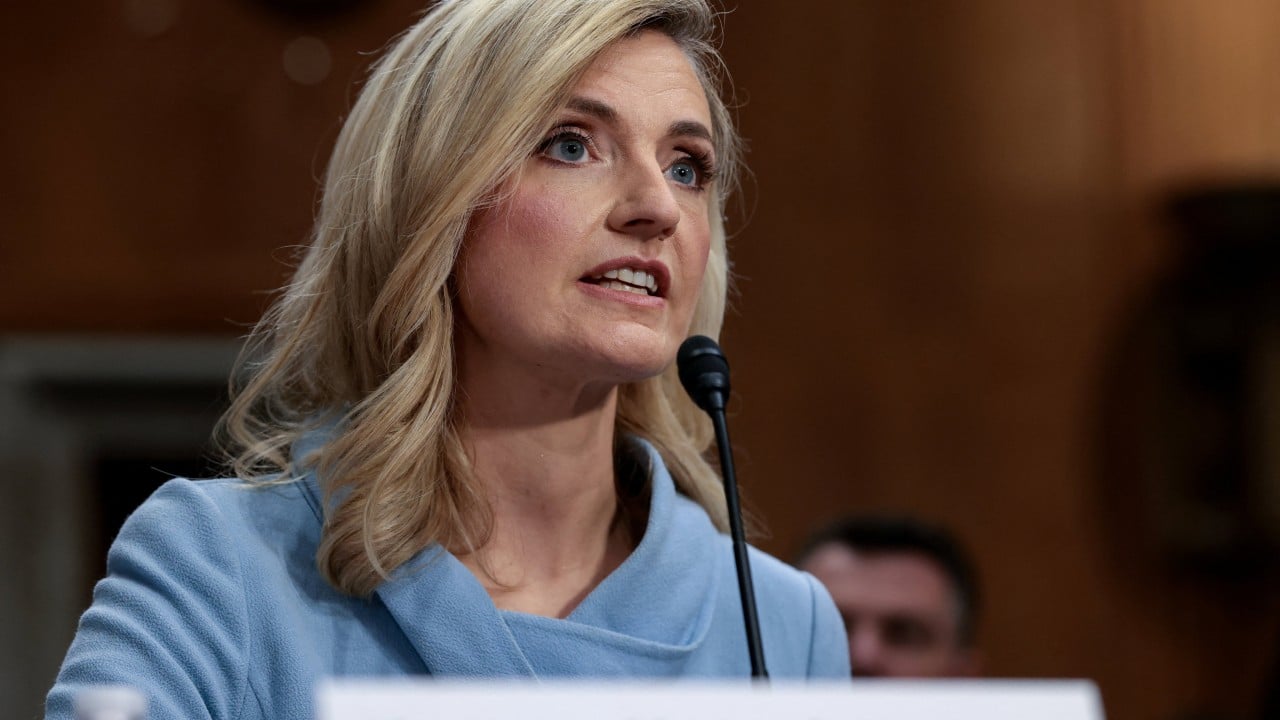

US military mandates testosterone screening to boost combat readiness amid global decline fears
Translated from English, summarized and contextualized by DistantNews.
At a glance
News
Sources not specified
New plan
- The Pentagon is implementing mandatory testosterone screening for active-duty service members aged 30 and older to enhance combat readiness.
- US Defence Secretary Pete Hegseth stated the policy aims to ensure troops are strong, resilient, and capable, with no connection to artificial enhancement.
- Concerns about global testosterone decline are prompting discussions in countries like China about its potential impact on future military strategy, with some experts predicting a shift to robot warfare.
The U.S. military is initiating mandatory testosterone screenings for active-duty personnel aged 30 and above, a move Defense Secretary Pete Hegseth says is crucial for bolstering combat readiness. Hegseth emphasized that the policy aims to ensure troops remain "strong, resilient and capable," and clarified it has no relation to artificial enhancement.
strong, resilient and capable
The initiative comes amid growing global concern over declining testosterone levels. This trend is sparking strategic discussions in other nations, including China. Some experts in China suggest that a long-term shift in hormone levels could fundamentally alter future military strategies.
nothing to do with artificial enhancement
One urologist from Shanghai First People's Hospital, speaking anonymously due to the subject's sensitivity, expressed a stark view to the South China Morning Post: "From now on, it will all be robot wars." The doctor elaborated, "No matter how developed the muscles of carbon-based life forms are, they can’t defeat robots." This perspective highlights a potential future where biological limitations in warfare could be superseded by technological advancements.
From now on, it will all be robot wars
DistantNews Editorial
Originally published by South China Morning Post in English. Translated, summarized, and contextualized by our editorial team with added local perspective. Read our editorial standards.
More Stories
From Our Blog

Countries Without a Free Press: What You Need to Know

What Press Freedom Means for the News You Read

What Gets Lost (and Found) When News Is Translated

The Critical Role of Diaspora Media in Global News

What Travellers Should Know About Countries with Restricted Press
