

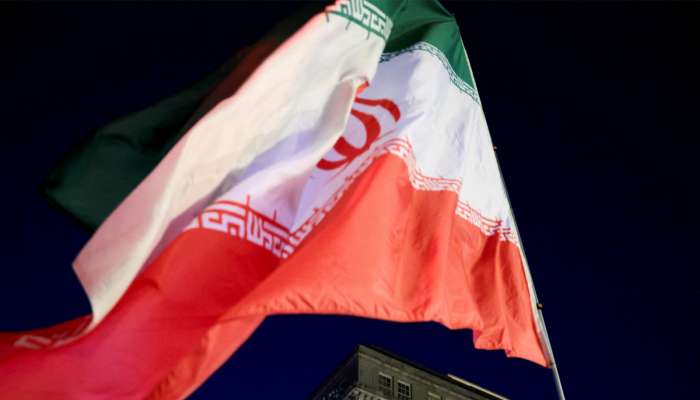
US Naval Blockade Against Iran Remains in Force: CENTCOM
Translated from English, summarized and contextualized by DistantNews.
TLDR
- U.S. Central Command confirmed its naval blockade against Iran remains in effect, having redirected 58 vessels and disabled 4 since April 13.
- Iran's Parliament warned Bahrain against aligning with the U.S., citing potential severe consequences for the Strait of Hormuz.
- Regional tensions are high, with Iran expressing suspicion about U.S. diplomatic intentions and maritime traffic through the Strait of Hormuz significantly reduced.
The United States Central Command has reiterated that its naval blockade against Iran is fully operational, a move that underscores the escalating tensions in the Persian Gulf. CENTCOM's statement, detailing the redirection of numerous commercial vessels, serves as a stark warning to Tehran and its regional adversaries. Meanwhile, Iran's Parliament has issued a direct threat to Bahrain, cautioning the small Gulf state against aligning with U.S.-backed resolutions. This diplomatic brinkmanship, particularly concerning the vital Strait of Hormuz, highlights the precarious security situation. The Iranian Foreign Minister's call with his Turkish counterpart and subsequent remarks questioning U.S. sincerity in diplomacy further illustrate the deep-seated mistrust. The drastic reduction in maritime traffic through the Strait of Hormuz, a critical global energy chokepoint, signals the tangible impact of these geopolitical maneuvers. The Gulf states' collective push for a UN Security Council resolution, threatening sanctions, indicates a unified front against Iran's actions, but the ultimate outcome remains uncertain as both sides engage in a dangerous game of deterrence and defiance.
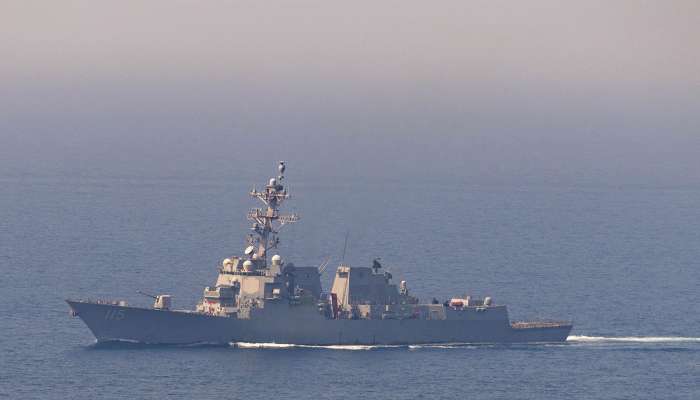
The U.S. Naval blockade against Iran continues be to fully enforced. As of today, CENTCOM forces have redirected 58 commercial vessels and disabled 4 since April 13 to prevent the ships from entering or leaving Iranian ports.
DistantNews Editorial
Originally published by Times of Oman in English. Translated, summarized, and contextualized by our editorial team with added local perspective. Read our editorial standards.
More Stories


From Our Blog

What Gets Lost (and Found) When News Is Translated

The Critical Role of Diaspora Media in Global News

What Travellers Should Know About Countries with Restricted Press

A Digital Nomad's Guide to Following Local News

How the Same Story Looks Different in Different Countries
