


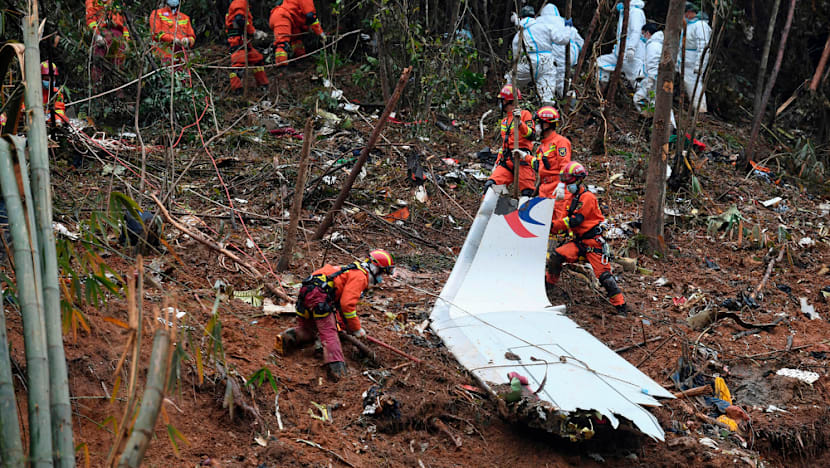
US Report: Engines Shut Off, Cockpit Struggle Preceded China Eastern Crash
Translated from English, summarized and contextualized by DistantNews.
TLDR
- A US investigation suggests both engines were shut off and a struggle occurred in the cockpit before the China Eastern Airlines crash in 2022, which killed 132 people.
- Data from the flight recorder indicates the fuel levers were deliberately moved to the cutoff position, and the plane was intentionally put into a nosedive and roll.
- The investigation is hampered by the delay in China's final report, with US investigators noting that international standards typically call for reports within a year of a crash.
Newly released data from American investigators offers a stark, albeit incomplete, picture of the tragic China Eastern Airlines crash in 2022. The National Transportation Safety Board's (NTSB) analysis of the flight data recorder suggests a deliberate act, pointing to the fuel levers being intentionally shut off and a struggle within the cockpit preceding the fatal descent. This explanation provides the clearest insight yet into the disaster, moving beyond initial Chinese investigations that found no immediate mechanical problems.
The NTSB's involvement, stemming from the American origin of the aircraft and its engines, highlights the global nature of aviation safety. Their expertise in analyzing black boxes is world-renowned. However, the investigation's final conclusions are contingent on the Civil Aviation Administration of China releasing its own comprehensive report, a process that has significantly exceeded international norms. The delay of over four years since the crash raises questions about transparency and the timely dissemination of critical safety information.
By design the fuel levers in a 737 cannot be easily bumped or shut off inadvertently — someone has to pull them out to release them before they will move.
The data suggesting intentional actions and a potential struggle in the cockpit inevitably renews concerns about pilot mental health and the protocols for addressing it. While the NTSB report does not include transcripts from the cockpit voice recorder, the flight data alone paints a disturbing scenario. Aviation safety experts, like John Cox, emphasize that the design of the 737's fuel levers makes accidental shut-off highly unlikely, reinforcing the theory of deliberate action. The back-and-forth movements of the control wheel, as described by former NTSB investigator Jeff Guzzetti, further support the notion of a conflict within the cockpit.
So it’s not conclusive, but it sure has the earmarks of a struggle in the cockpit.
DistantNews Editorial
Originally published by CNA in English. Translated, summarized, and contextualized by our editorial team with added local perspective. Read our editorial standards.
More Stories


From Our Blog

What Gets Lost (and Found) When News Is Translated

The Critical Role of Diaspora Media in Global News

What Travellers Should Know About Countries with Restricted Press

A Digital Nomad's Guide to Following Local News

How the Same Story Looks Different in Different Countries
