


US Rescues 2 Ships on 'Freedom's' First Day; Iran Attacks UAE Again
Translated from Korean, summarized and contextualized by DistantNews.
TLDR
- The US and Iran clashed in the Strait of Hormuz on the first day of the US "Project Freedom" initiative.
- The US Navy successfully escorted two trapped vessels and sank six Iranian speedboats.
- Iran retaliated by attacking the UAE with missiles and drones, targeting areas near Fujairah port.
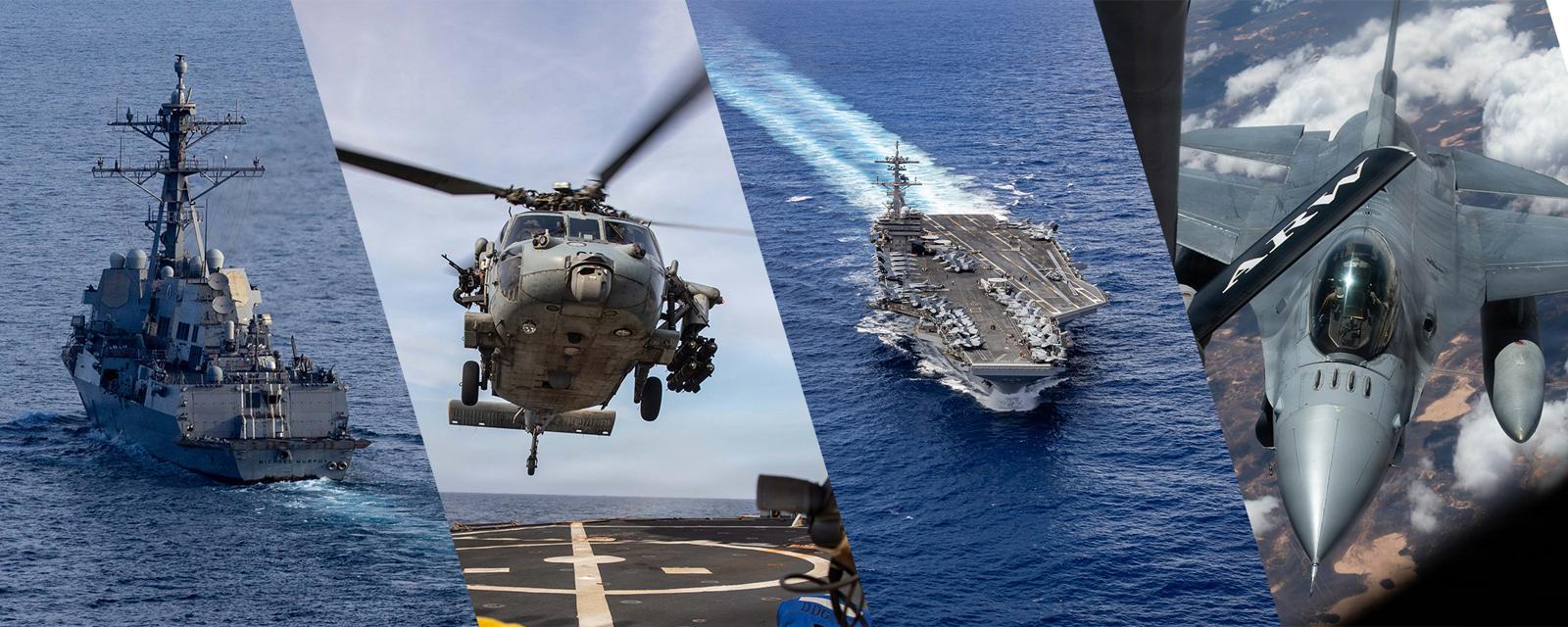
Tensions flared dramatically in the Strait of Hormuz as the United States launched "Project Freedom" to aid vessels trapped by the ongoing conflict, clashing directly with Iran on the operation's inaugural day. The US Navy reported successfully escorting two ships through the vital waterway and destroying six Iranian speedboats, a move framed as a decisive action to ensure freedom of navigation. This operation, named with a clear nod to liberation, underscores the US commitment to maintaining open maritime routes in the face of Iranian assertiveness.
However, Iran responded with force, launching missile and drone attacks against the United Arab Emirates, a key US ally in the region. The targeting of areas near Fujairah port, a crucial oil export hub, signals Iran's intent to threaten energy supply routes that bypass the Strait of Hormuz. This escalation demonstrates Iran's willingness to project power and retaliate against perceived US-led actions, directly challenging regional stability and US influence.
If Iran attacks the United States, we will blow them off the face of the earth.
The exchange highlights the precarious balance of power in the Persian Gulf. While the US initiative achieved a tactical success in freeing ships, Iran's counter-attack on the UAE signals a broader strategic challenge. The rhetoric from leaders, with President Trump vowing to "blow away" Iran if attacked and Iran asserting control over the Strait, encapsulates the high stakes. From our perspective, the situation underscores the critical importance of the Strait of Hormuz not just for global energy markets, but as a flashpoint for geopolitical confrontation, with regional stability hanging precariously in the balance.
The management and control of the Strait of Hormuz are in Iran's hands.
DistantNews Editorial
Originally published by Dong-A Ilbo in Korean. Translated, summarized, and contextualized by our editorial team with added local perspective. Read our editorial standards.
More Stories


From Our Blog

What Gets Lost (and Found) When News Is Translated

The Critical Role of Diaspora Media in Global News

What Travellers Should Know About Countries with Restricted Press

A Digital Nomad's Guide to Following Local News

How the Same Story Looks Different in Different Countries
