


US Risks Losing Future War Without Cheap, Precise Weapons, Indo-Pacific Commander Warns
Translated from Romanian, summarized and contextualized by DistantNews.
TLDR
- The U.S. military must rapidly develop a large arsenal of inexpensive, precise weapons or risk losing future conflicts, warned the U.S. commander for the Indo-Pacific region.
- Admiral Samuel Paparo told Congress that low-cost systems like cheap drones and simplified missiles have fundamentally changed modern warfare, citing lessons from Ukraine and recent U.S.-Iran confrontations.
- He emphasized that adopting these
The United States faces a stark choice: embrace the revolution in low-cost, high-precision weaponry or risk obsolescence on the modern battlefield. Admiral Samuel Paparo, the U.S. commander for the vital Indo-Pacific region, has issued a clear warning to Congress: failure to rapidly invest in and deploy an expanded arsenal of affordable, accurate arms will jeopardize American military superiority in future conflicts.
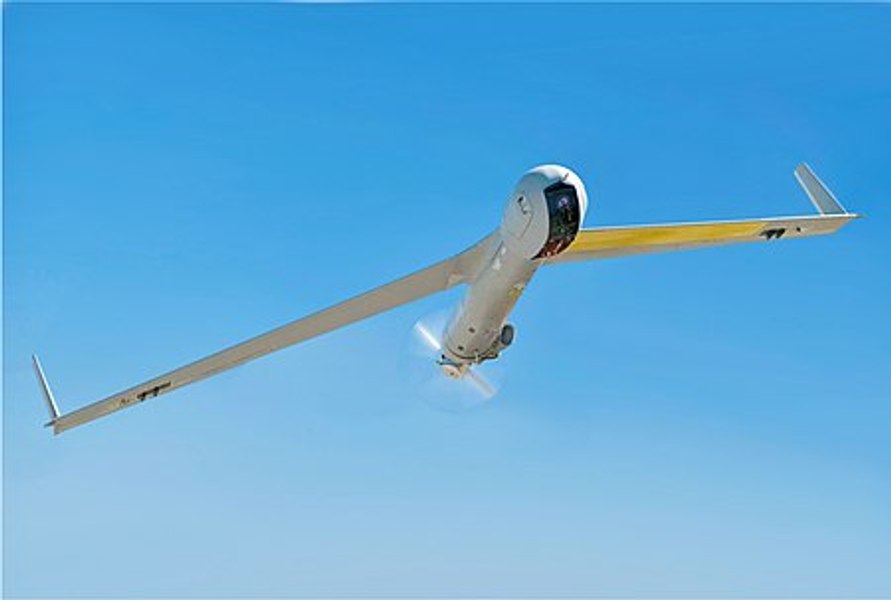
Admiral Paparo highlighted how the dynamics of warfare have been irrevocably altered by the proliferation of inexpensive yet effective systems. He pointed to the ongoing conflict in Ukraine and recent clashes involving Iran as stark examples of how cheap drones and simplified missiles are reshaping military strategy. The "commoditization" of precision weapons, as he termed it, means that adversaries with significant resources, like China, can exert considerable financial pressure on the U.S. military by forcing the use of more expensive assets for routine missions, such as drone interception.
This strategic shift necessitates a fundamental reevaluation of defense spending and procurement. The U.S. military must prioritize the development and integration of these systems, not just for defensive purposes, like the Merops interceptor drone tested in Ukraine and used in the Middle East, but also for offensive capabilities, exemplified by the LUCAS one-way attack drones inspired by Iranian models. The proposed $74 billion budget request for fiscal year 2027, a threefold increase, underscores the administration's recognition of this urgent need, with the Indo-Pacific designated as the primary theater for developing and testing these crucial capabilities.
Admiral Paparo's vision extends to transforming strategic chokepoints, such as the Taiwan Strait, into zones dominated by unmanned systems. This asymmetric approach aims to deter or significantly slow down any potential Chinese offensive. The article, as reported by Business Insider and framed by our own editorial lens at Adevărul, underscores a critical vulnerability: if the U.S. does not adapt to this new paradigm of warfare, where cost-effectiveness and mass deployment of smart, cheap weapons are paramount, it risks conceding a decisive advantage to rivals who are already embracing this technological evolution. The lessons from Ukraine are not merely tactical; they are existential.
It is a technology that we must either adopt or risk losing.
DistantNews Editorial
Originally published by Adevărul in Romanian. Translated, summarized, and contextualized by our editorial team with added local perspective. Read our editorial standards.
More Stories



From Our Blog

What Gets Lost (and Found) When News Is Translated

The Critical Role of Diaspora Media in Global News

What Travellers Should Know About Countries with Restricted Press

A Digital Nomad's Guide to Following Local News

How the Same Story Looks Different in Different Countries
