


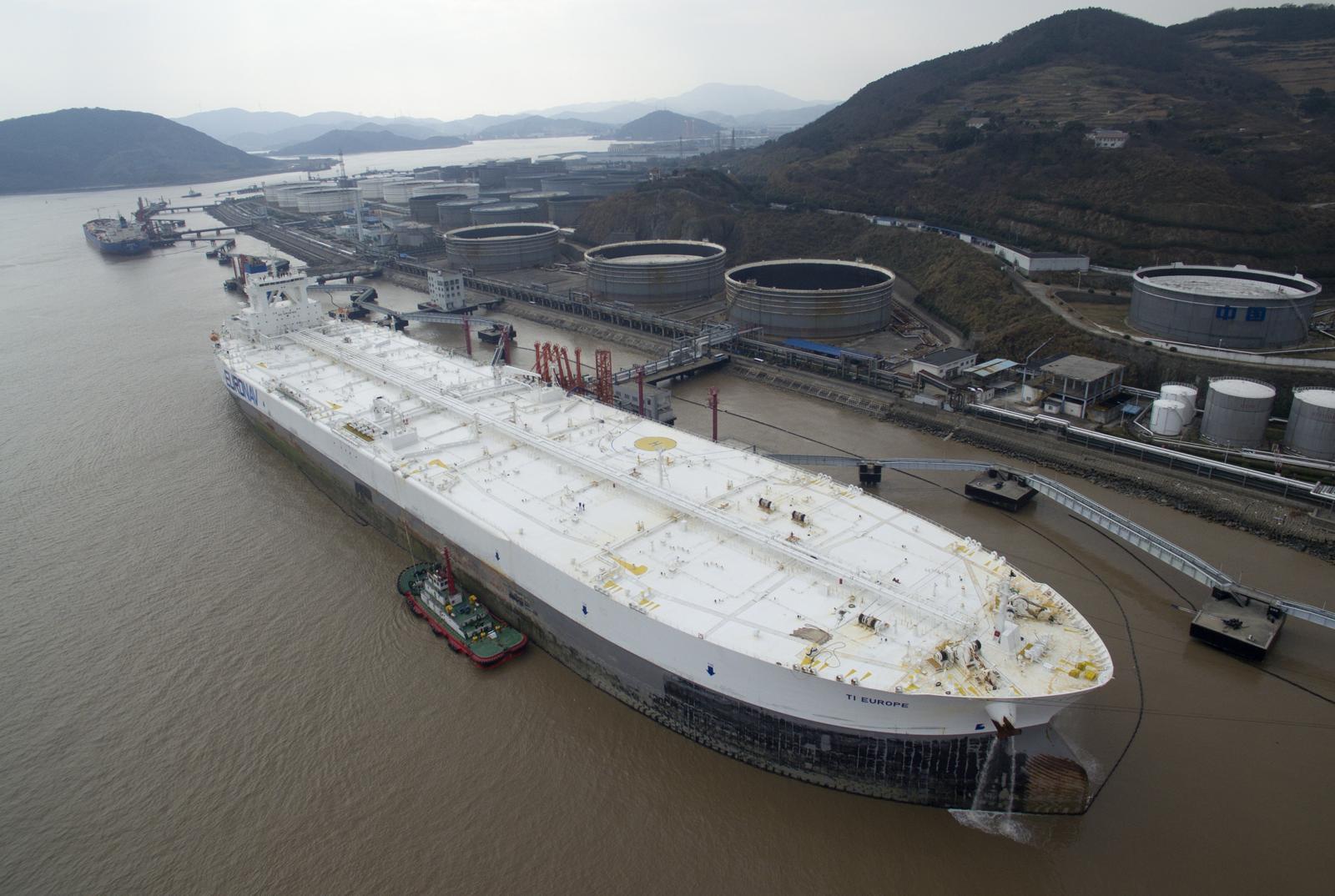
US Sanctions Chinese Firms Over Iranian Oil; China Warns Against 'Unjustified' Measures
Translated from Korean, summarized and contextualized by DistantNews.
TLDR
- The US announced sanctions against Chinese companies and individuals involved in importing and transporting Iranian oil.
- This action, taken just before a US-China summit, aims to pressure China and increase leverage in negotiations with Iran.
- China condemned the sanctions as illegal and a violation of international norms, vowing not to comply.
The United States has once again demonstrated its willingness to exert economic pressure on China, this time by targeting Chinese firms involved in the trade of Iranian oil. This move, occurring just days before a crucial summit between Presidents Trump and Xi, signals Washington's intent to use all available tools to advance its foreign policy objectives, particularly concerning Iran.
The US will impose sanctions on Chinese companies and individuals involved in importing and transporting Iranian oil products.
Beijing's reaction was swift and sharp. China's Ministry of Commerce denounced the sanctions as "unjustified" and a violation of international law, invoking its own regulations to prohibit compliance. This retaliatory stance underscores the growing friction between the two economic giants, with the Middle East conflict emerging as a significant point of contention.
The implications for China are considerable. As a major importer of Iranian crude, Beijing faces potential disruptions to its energy supply. The US appears to be leveraging this dependency, seeking China's cooperation in pressuring Iran while simultaneously penalizing Chinese companies. This delicate balancing act highlights the complex geopolitical dynamics at play, where economic interdependence is intertwined with strategic competition.
China's Ministry of Commerce stated that the US actions are an unjustified prohibition of normal economic activities of Chinese companies and violate the basic norms of international law and international relations.
From a Chinese perspective, these sanctions are seen not only as an infringement on its economic interests but also as an attempt to undermine its sovereign right to conduct normal trade relations. The invocation of China's anti-sanction law reflects a determination to push back against what it perceives as unilateral and overreaching American foreign policy. The upcoming summit in Beijing will undoubtedly be a critical juncture for addressing these escalating tensions.
If the Strait of Hormuz remains closed by the time President Trump visits China, I am confident this issue will be a major agenda item for the bilateral meeting.
DistantNews Editorial
Originally published by Dong-A Ilbo in Korean. Translated, summarized, and contextualized by our editorial team with added local perspective. Read our editorial standards.
More Stories


From Our Blog

What Gets Lost (and Found) When News Is Translated

The Critical Role of Diaspora Media in Global News

What Travellers Should Know About Countries with Restricted Press

A Digital Nomad's Guide to Following Local News

How the Same Story Looks Different in Different Countries
