

US to withdraw 5,000 troops from Germany; Trump hints at more cuts, EU car tariffs
Translated from Korean, summarized and contextualized by DistantNews.
TLDR
- The US Department of Defense announced plans to withdraw approximately 5,000 troops from Germany within 6-12 months.
- President Trump indicated further reductions are possible and also threatened to increase tariffs on EU cars, with Germany being a major exporter.
- The article expresses concern about potential impacts on South Korea's military presence but suggests focusing on self-reliance and South Korea's strong defense investment.
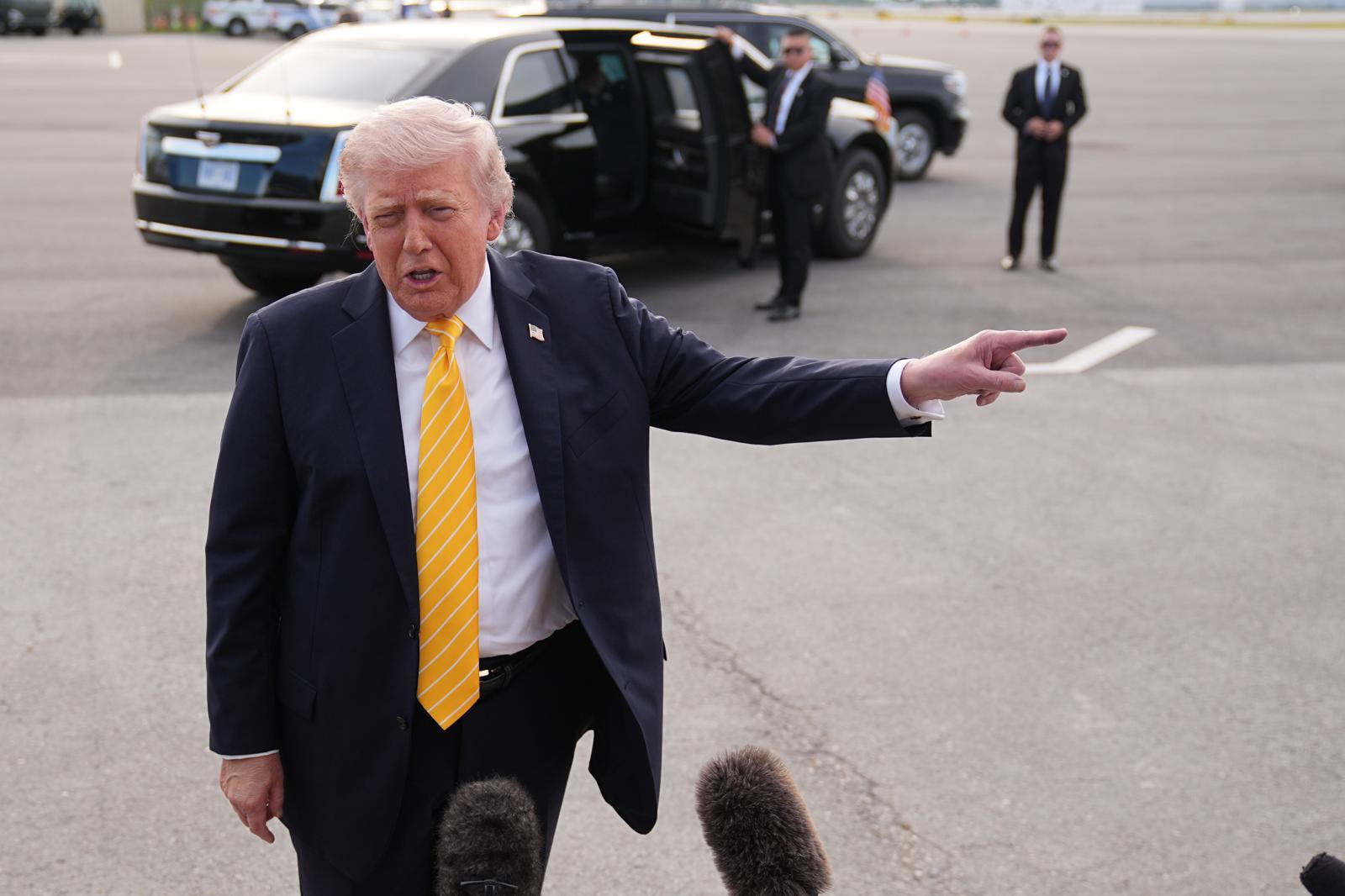
The decision by the United States to withdraw approximately 5,000 troops from Germany, as announced by the Department of Defense, is a significant development that warrants careful consideration. President Trump's subsequent remarks about further reductions and the imposition of tariffs on European Union cars, particularly those from Germany, underscore a pattern of transactional foreign policy. This move appears to be a retaliatory measure against European allies, including Germany, for their perceived lack of cooperation on issues such as the Iran war.
We will reduce it by much more than 5,000.
While the troop reduction itself may not be as large as some anticipated, and Germany's reaction has been relatively calm, the underlying message from Washington is one of shifting priorities and potential instability in alliances. The article notes that the withdrawal plan was reportedly accelerated to appease President Trump's frustrations, highlighting the unpredictable nature of US foreign policy under his administration. This echoes past instances, such as the proposed withdrawal of a third of US forces from Germany during Trump's first term, which was later rescinded by the Biden administration.
The potential ripple effect of this decision on other US allies, specifically South Korea, is a significant concern. President Trump has previously expressed dissatisfaction with South Korea's defense contributions, raising fears of troop reductions there as well. However, the article suggests that South Korea's strategic importance in Asia and its consistent defense spending may offer some protection. The focus, it argues, should remain on strengthening South Korea's own defense capabilities, ensuring a robust alliance that is resilient to external fluctuations.
The reduction in US forces in Germany is an action that was expected.
From a South Korean perspective, this situation serves as a stark reminder of the need for self-reliance. While the US alliance remains crucial, over-dependence can lead to vulnerability. The article implicitly calls for a proactive approach to national security, emphasizing that a strong, independent defense posture is the most reliable foundation for any alliance. The shifting dynamics of global politics and potential US policy changes necessitate a constant re-evaluation and reinforcement of our own capabilities.
We are placing our military forces in a dangerous place next to North Korea, which has nuclear weapons, and yet they are not helping us.
DistantNews Editorial
Originally published by Dong-A Ilbo in Korean. Translated, summarized, and contextualized by our editorial team with added local perspective. Read our editorial standards.
More Stories


From Our Blog

What Gets Lost (and Found) When News Is Translated

The Critical Role of Diaspora Media in Global News

What Travellers Should Know About Countries with Restricted Press

A Digital Nomad's Guide to Following Local News

How the Same Story Looks Different in Different Countries
