


Vast Northern Terrain Fuels Kidnappings, Hinders Security Response in Nigeria, Report Says
Translated from English and summarized by DistantNews. Read the original for the full story.
At a glance
News
Documents & data
Outcome reported
- A report by SBM Intelligence attributes the high rate of kidnappings in northern Nigeria to the region's vast terrain and the nature of operating groups.
- The report contrasts the situation in the North with the South, noting that syndicated bandit and jihadist groups in the North have greater capacity for such activities.
- The findings are part of the 2026 edition of the 'Economics of Nigeria’s Kidnap Industry' report, which analyzes the factors driving the crime.
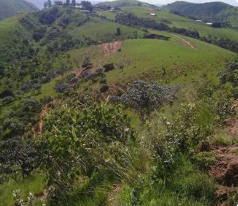
Northern Nigeria's expansive and challenging terrain significantly contributes to the prevalence of kidnappings and complicates security responses, according to a new report by SBM Intelligence. The 2026 edition of the 'Economics of Nigeria’s Kidnap Industry' report highlights a stark contrast in kidnapping figures between the northern and southern regions of the country. This disparity, the report argues, is primarily driven by the geographical characteristics of the North and the operational capacities of the groups active there.
Syndicated bandit and jihadist groups operating in the North possess a greater capacity for carrying out large-scale kidnapping operations. The vast, often sparsely populated, and difficult-to-navigate terrain provides cover for these criminal elements, making it harder for security forces to track, apprehend, and rescue victims effectively.
The report suggests that the nature of these groups, often well-armed and organized, combined with the environmental challenges, creates a fertile ground for the kidnap-for-ransom industry to thrive in the northern parts of Nigeria. This contrasts with the dynamics observed in the southern regions, where different geographical and socio-economic factors may influence the patterns of crime.
About this summary
Originally published by Vanguard in English. Translated, summarized, and contextualized automatically by DistantNews, with a note on how the source frames the story. Not individually reviewed before publishing. How this works.
More Stories


From Our Blog

How the Same Story Looks Different in Different Countries

What Gets Lost (and Found) When News Is Translated

The Critical Role of Diaspora Media in Global News

What Travellers Should Know About Countries with Restricted Press

A Digital Nomad's Guide to Following Local News
