


Venezuela Defends Esequibo Claim at International Court
Translated from Spanish, summarized and contextualized by DistantNews.
TLDR
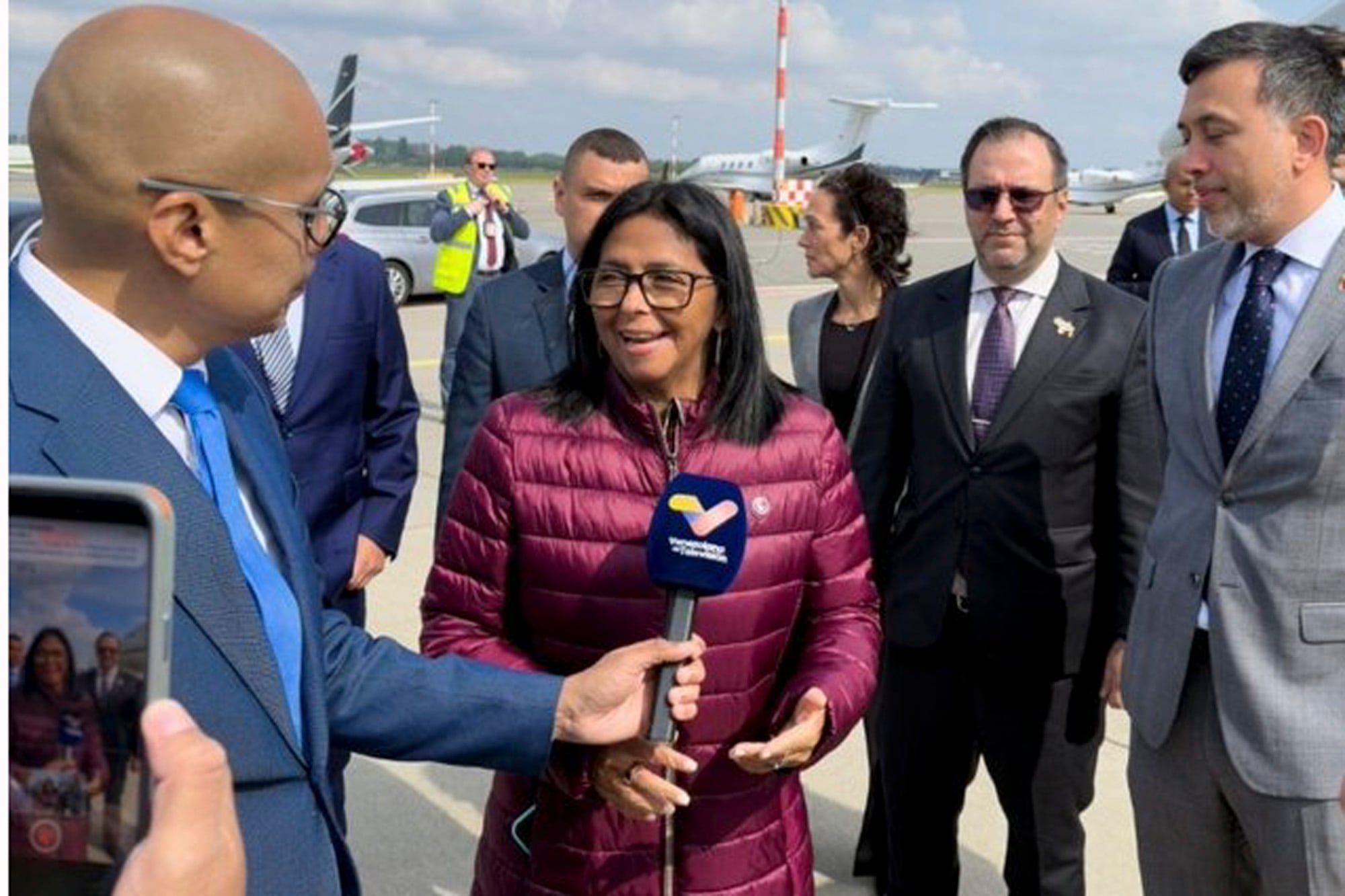
- Venezuela's Vice President Delcy Rodríguez arrived in the Netherlands to defend the country's claim to the Esequibo territory before the International Court of Justice (ICJ).
- The ICJ is holding final hearings on the territorial dispute between Venezuela and Guyana over the resource-rich Esequibo region.
- Venezuela asserts its historical claim to Esequibo, based on the 1966 Geneva Agreement, and argues that a 1899 arbitration ruling was fraudulent.
Caracas is making its most significant legal stand yet on the Esequibo territorial claim, with Vice President Delcy Rodríguez leading the charge at the International Court of Justice in The Hague. This journey marks Rodríguez's first European trip since assuming her role and underscores Venezuela's unwavering commitment to reclaiming a territory it considers its own by historical right.
El único que tiene titularidad sobre este territorio en esta controversia territorial es Venezuela
The Esequibo, a vast expanse rich in minerals and offshore oil, represents more than just land; it is a matter of national sovereignty and historical vindication for Venezuela. The government's position, as articulated by Rodríguez, hinges on the 1966 Geneva Agreement, which it views as the only legitimate framework for resolving the dispute. This agreement, signed with Great Britain, acknowledged Venezuela's claim and paved the way for a diplomatic solution, a path Venezuela insists must be followed.
Hemos demostrado en todas las etapas históricas lo que ha significado nuestro territorio desde que nacimos como república
Venezuela vehemently rejects the 1899 arbitration ruling that largely favored Guyana, branding it a "fraudulent arbitration." The current legal battle at the ICJ, initiated by Guyana in 2018, is seen by Caracas as an attempt to legitimize this historical injustice. Despite Venezuela's participation in the ICJ proceedings, it maintains that this does not equate to an acceptance of the court's jurisdiction, highlighting a strategic legal maneuver to contest the case while preserving its stance on sovereignty.
El Gobierno bolivariano ha instruido a la Cancillería para que, de manera inmediata, solicite toda la información pertinente sobre este incidente, así como el correspondiente plan de acción para la mitigación y contención del derrame
From a Venezuelan perspective, this is not merely a border dispute; it is a fight against historical dispossession and foreign influence. The narrative is one of reclaiming ancestral lands and resources that rightfully belong to the nation. While international media may focus on the legal intricacies, for Venezuelans, the Esequibo represents a vital part of their national identity and future prosperity, a sentiment that resonates deeply across the political spectrum.
ha sido una mancha en nuestra existencia como Estado soberano desde el principio
DistantNews Editorial
Originally published by La Nación in Spanish. Translated, summarized, and contextualized by our editorial team with added local perspective. Read our editorial standards.
More Stories



From Our Blog

What Gets Lost (and Found) When News Is Translated

The Critical Role of Diaspora Media in Global News

What Travellers Should Know About Countries with Restricted Press

A Digital Nomad's Guide to Following Local News

How the Same Story Looks Different in Different Countries
