

Vienna's MuseumsQuartier: From controversial project to Europe's top cultural hub
Translated from German, summarized and contextualized by DistantNews.
At a glance
In-depth
Sources not specified
Context piece
- The MuseumsQuartier Wien, once a controversial project, is now Europe's most successful cultural complex.
- Celebrating its 25th anniversary, an exhibition details the "Vision and Resistance" behind its development.
- The MQ transformed from imperial stables and a trade fair palace into a vibrant hub attracting five million visitors annually.
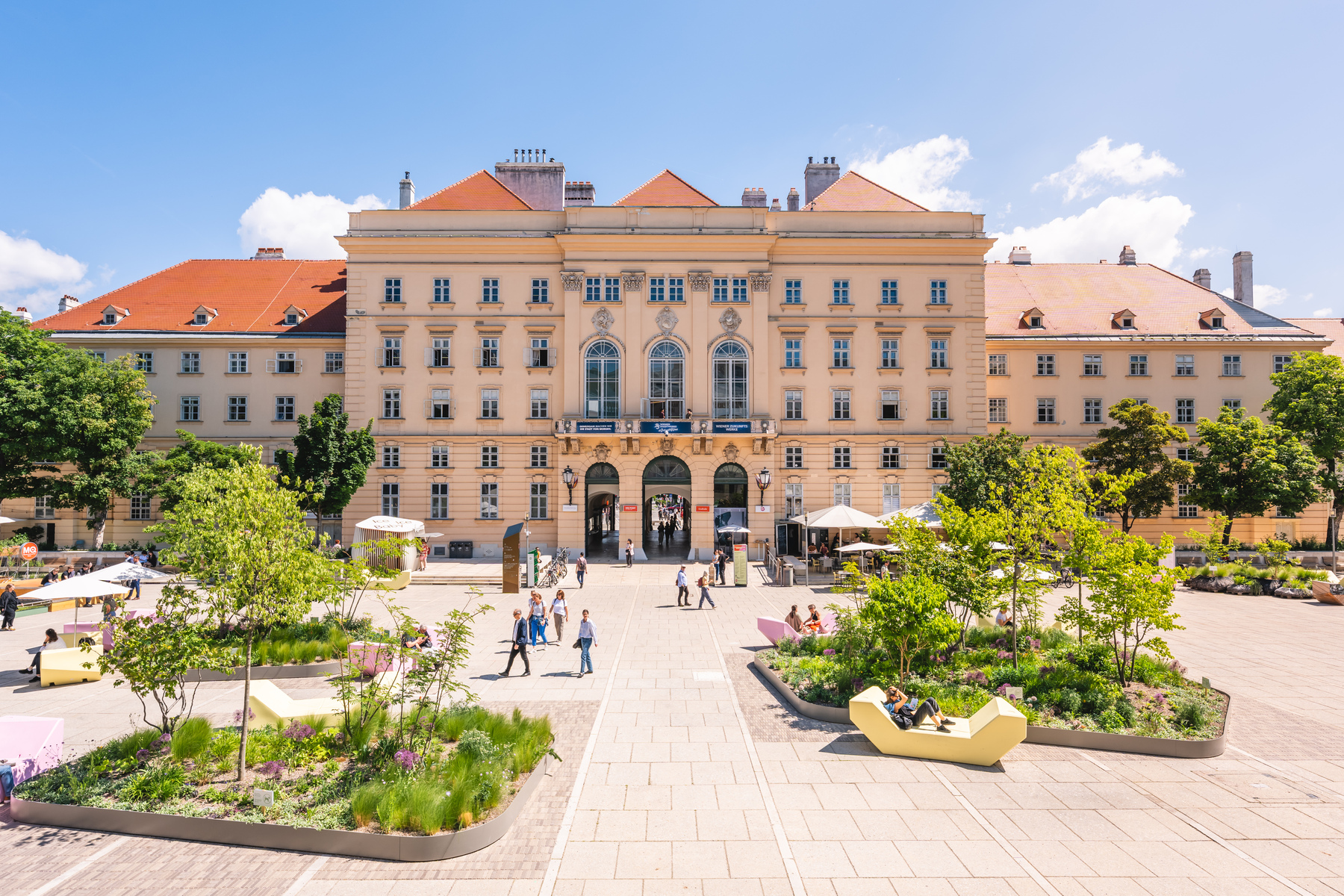
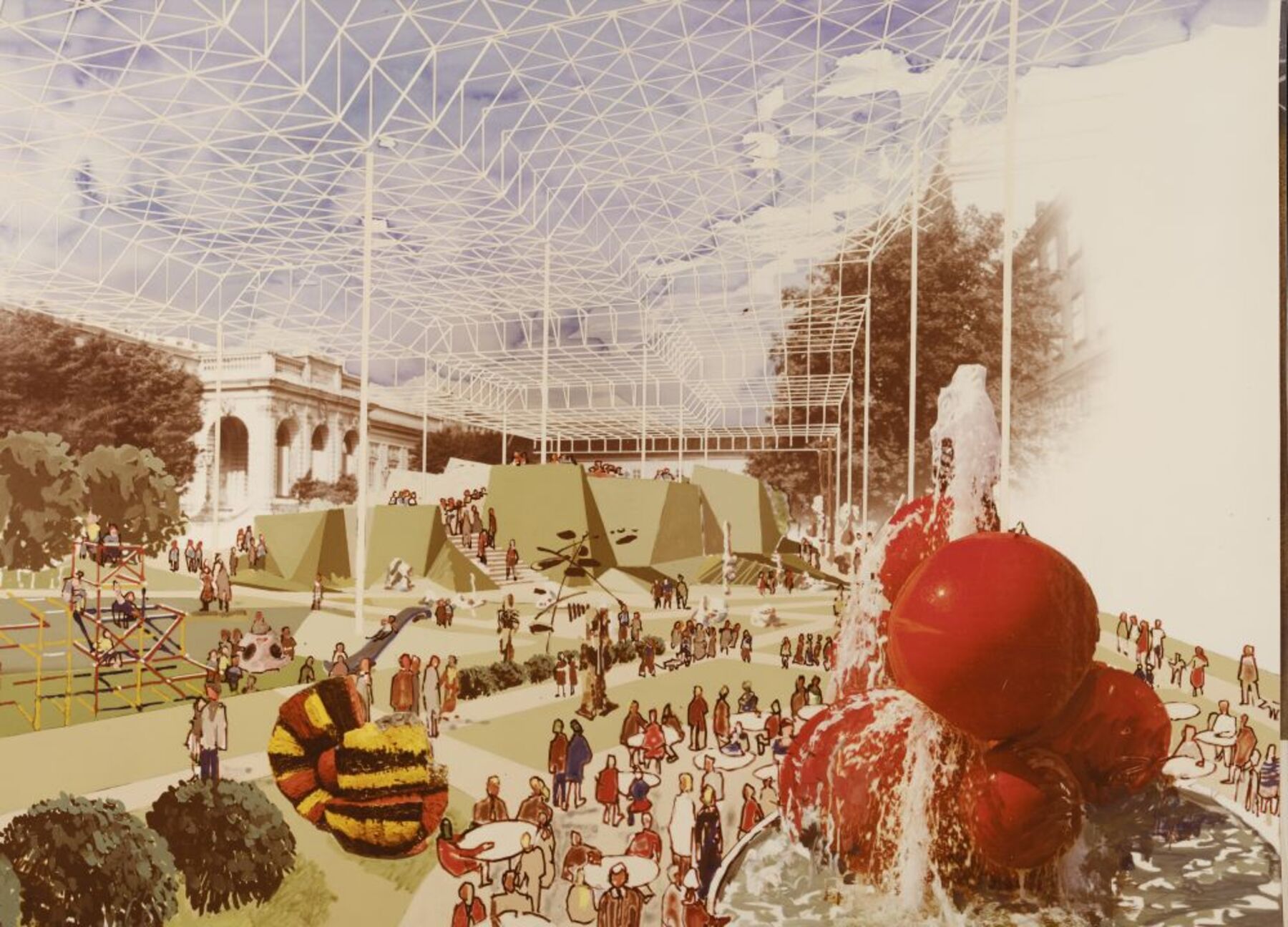
What began as a grand vision for a cultural complex in Vienna has evolved into Europe's most successful arts and culture hub: the MuseumsQuartier Wien (MQ). Now celebrating its 25th anniversary, the MQ has become an indispensable part of the city, serving as a meeting point, a place for encounters, and an international tourism hotspot, while also acting as a local living room. Annually, approximately five million visitors flock to the MQ to experience its diverse offerings, from events on the MQ Summer Stage to exhibitions within its institutions and relaxation on the iconic "Enzis" in the courtyards. However, the MQ's current status as a beloved space was far from guaranteed during its development. The exhibition "Vision and Resistance – How the MuseumsQuartier Wien Transformed" at MQ Freiraum delves into the complex history of the MQ. It highlights the bold designs, the fierce debates, and the project's near-failures. Originally built in the 18th century as imperial stables and later used as a trade fair palace, the idea to develop it into a new cultural area emerged in the 1970s. This sparked a political marathon filled with euphoria and skepticism, public criticism, and artistic ambitions, balancing preservation with transformation. The design for the MQ was highly polarizing, with the "Kronen Zeitung" dubbing it a "Museumsmonster" and citizen initiatives protesting vehemently. International experts also voiced criticism. Central to the debate was the 67-meter-tall "Leseturm" (Reading Tower), a striking landmark lacking a clear function. The entire concept was questioned, leading to the tower's potential removal and a significant reduction in the planned height of the museums. Construction began in 1998 based on a revised plan, and the MuseumsQuartier opened in 2001 with a programmatic openness that continues to define it today. The exhibition uses sketches, original architectural models, plans, historical documents, and newspaper clippings to illustrate these conflicts and the transformation into the renowned cultural complex it is today. The MQ was conceived not as a finished project but as an area in constant transformation.
DistantNews Editorial
Originally published by Die Presse in German. Translated, summarized, and contextualized by our editorial team with added local perspective. Read our editorial standards.
More Stories

From Our Blog

What Gets Lost (and Found) When News Is Translated

The Critical Role of Diaspora Media in Global News

What Travellers Should Know About Countries with Restricted Press

A Digital Nomad's Guide to Following Local News

How the Same Story Looks Different in Different Countries
