

Vietnam central bank says global risks complicate policymaking
Summarized and contextualized by DistantNews.
At a glance
News
Named sources
Context piece
- Vietnam's central bank deputy governor stated that global risks are complicating policy management.
- Geopolitical tensions, trade friction, and the conflict in the Middle East are pressuring international markets and Vietnam's economy.
- The central bank is focused on controlling inflation and stabilizing the foreign exchange market while aiming for strong economic growth.
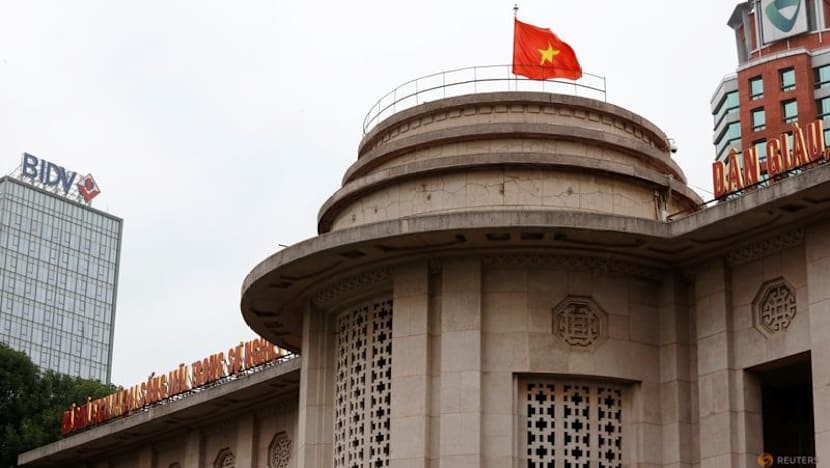
Global risks are creating significant challenges for Vietnam's central bank in managing its monetary policy, according to Deputy Governor Pham Thanh Ha. The Southeast Asian nation, which is targeting economic growth exceeding 10 percent this year, faces external pressures that could jeopardize its ambitious plans.
Global risks are putting pressure on the Vietnamese central bank's policy management.
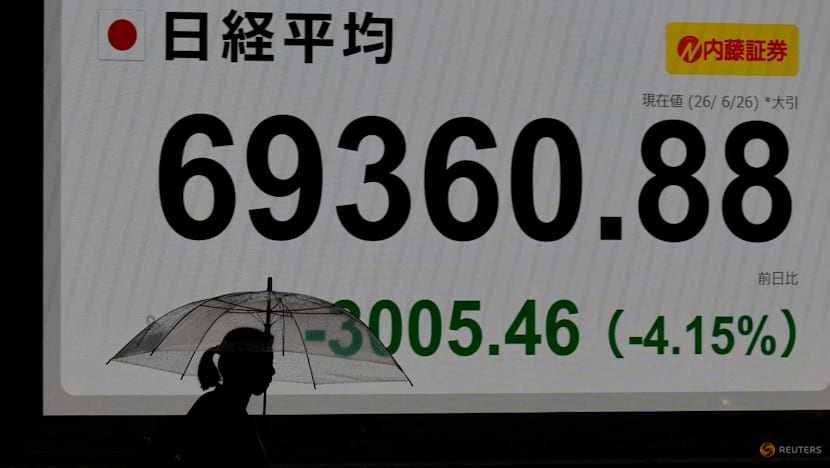
Ha highlighted that ongoing geopolitical tensions and trade frictions, particularly the escalation of the conflict in the Middle East, are exerting considerable pressure on international commodity and financial markets. These global instabilities directly impact Vietnam's economic outlook and its ability to implement effective policies.
Geopolitical tensions and trade frictions have continued, while the escalation of the conflict in the Middle East in particular has placed significant pressure on international commodity and financial markets.
The Vietnamese dong has also come under pressure due to a strengthening U.S. dollar. The central bank is actively working to stabilize the foreign exchange market, ensuring that demand for foreign currencies within the Vietnamese economy is fully met through flexible management.
The central bank has been able to manage the foreign exchange market in a flexible manner, adding that demand for foreign currencies in the Vietnamese economy has been fully met.
Adding to the complexity, Pham Chi Quang, head of the central bank's monetary policy department, noted mounting inflationary pressures stemming from Vietnam's integration into the global economy. The central bank has prioritized inflation control for the remainder of the year to maintain macroeconomic stability, while simultaneously striving to achieve the government's ambitious growth target. Vietnam's annual inflation rate stood at 5.6 percent in May, surpassing the year's target of 4.5 percent.
The central bank will make inflation control a priority during the rest of the year to ensure macroeconomic stability, while also trying to achieve the government's economic growth target of more than 10 percent.
DistantNews Editorial
Originally published by CNA. Summarized and contextualized by our editorial team with added local perspective. Read our editorial standards.
More Stories


From Our Blog

What Gets Lost (and Found) When News Is Translated

The Critical Role of Diaspora Media in Global News

What Travellers Should Know About Countries with Restricted Press

A Digital Nomad's Guide to Following Local News

How the Same Story Looks Different in Different Countries
