

Vietnam Digitizes Civil Servant Evaluation System
Translated from Vietnamese, summarized and contextualized by DistantNews.
TLDR
- Vietnam's government has issued a new decree on evaluating state agencies and civil servants, effective January 1, 2026.
- The decree mandates the digitalization of the evaluation process, requiring specialized software connected to document management and task assignment systems.
- This digital shift aims to ensure objective, continuous, and multi-dimensional assessments based on measurable results and Key Performance Indicators (KPIs).
The Vietnamese government's issuance of Decree 335/2025 marks a significant stride towards modernizing public administration. This decree, which replaces Decree 90/2020 and takes effect from January 1, 2026, fundamentally transforms how state agencies and civil servants are evaluated. Moving away from subjective assessments, the new framework emphasizes a continuous, multi-dimensional approach grounded in measurable outcomes.
The core of this reform lies in the digitalization of the evaluation process. Ministries, sectors, and localities are now mandated to develop specialized assessment software. This system must seamlessly integrate with existing document management and task assignment platforms, ensuring real-time data capture and minimizing manual input. The goal is to create a robust Key Performance Indicator (KPI) system for the public sector, where evaluations are data-driven rather than based on mere opinions.
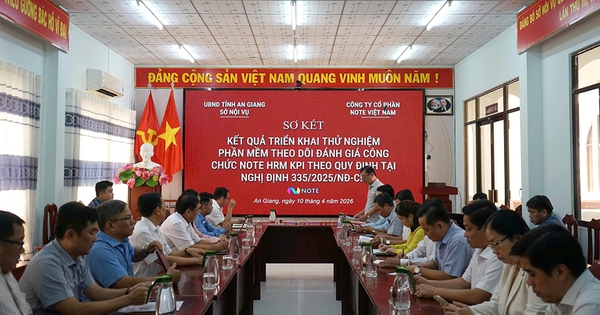
The Ministry of Home Affairs is actively guiding this transition through directives like Official Letter 1087, setting a deadline of July 1, 2026, for the completion of digital infrastructure and evaluation criteria. This accelerated timeline reflects the urgency to adopt these new standards. The adoption of "Make in Vietnam" technologies is also being highlighted, with platforms like NOTE HRM KPI being piloted in various localities, such as An Giang and Dong Thap, to streamline the process and ensure accurate, quantifiable assessments.
This digital transformation is not just about efficiency; it's about fostering a culture of accountability and performance within the civil service. By linking every task to a specific, measurable output, the decree aims to enhance the quality of public services and ensure that officials are evaluated based on their tangible contributions. While some agencies may develop unique assessment methods for their specific needs, the overarching requirement for data connectivity ensures a unified and transparent system across the nation. This initiative positions Vietnam at the forefront of digital governance in the region.
Sau khi tham gia buổi tập huấn, tôi thấy phần mềm chấm điểm khá sát với vị trí việc làm của từng cán bộ đối với tổ chức chuyên môn; từ đó giúp ích được rất nhiều trong việc đánh giá cán bộ theo từng quý, rồi từ kết quả quý rất dễ để phân loại mức độ hoàn thành hay hoàn thành tốt nhiệm vụ
DistantNews Editorial
Originally published by Thanh Niên in Vietnamese. Translated, summarized, and contextualized by our editorial team with added local perspective. Read our editorial standards.
More Stories



From Our Blog

What Gets Lost (and Found) When News Is Translated

The Critical Role of Diaspora Media in Global News

What Travellers Should Know About Countries with Restricted Press

A Digital Nomad's Guide to Following Local News

How the Same Story Looks Different in Different Countries
