

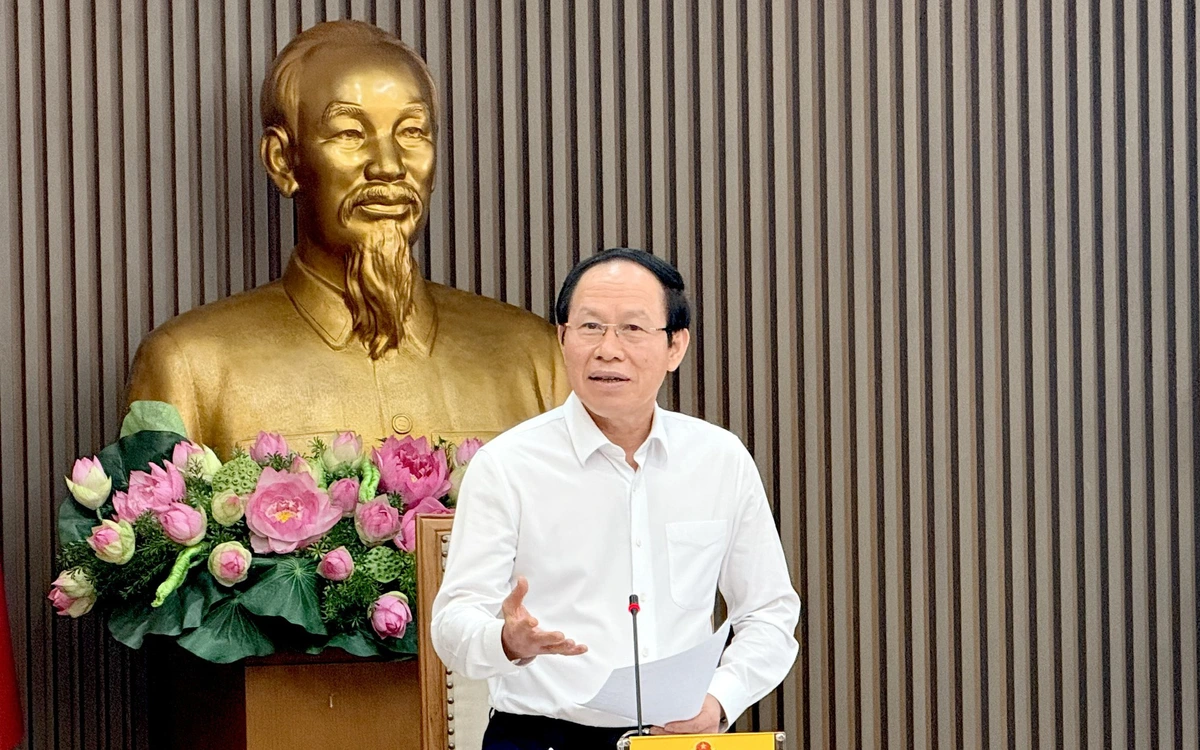

Vietnam Ministry of Home Affairs Updates on Village and Residential Group Reorganization Progress
Translated from Vietnamese, summarized and contextualized by DistantNews.
TLDR
- Vietnam's Ministry of Home Affairs is drafting a decree to regulate the organization and operation of villages and residential groups.
- The decree aims to streamline administrative units, reduce their number, and improve grassroots efficiency.
- This initiative is part of a broader government effort to streamline the bureaucracy and optimize resource utilization, with a deadline for completion by May 31, 2026.
The Ministry of Home Affairs is spearheading a significant administrative reform initiative focused on restructuring villages and residential groups across Vietnam. This move, detailed by Deputy Director-General Nguyễn Thị Tú Thanh of the Department of Local Government, aims to create a more streamlined and efficient system at the grassroots level. The core objective is to consolidate administrative units, reducing the sheer number of villages and residential groups to better align with population sizes and local realities.
The general orientation of the arrangement is to streamline the focal points, reduce the number of villages and residential groups, ensuring suitability with population size, practical conditions, and the specific characteristics of each region.
This reform is not merely about reducing numbers; it's about enhancing operational effectiveness. By consolidating, the government expects to improve the efficiency of local administration, facilitate task execution, and reduce the direct management burden on commune-level authorities. The draft decree will also address the policies and benefits for non-specialized officials working in these units, ensuring they are adequately compensated and motivated to continue their crucial roles. This is particularly important as Vietnam strives for a leaner, more effective state apparatus.
This will contribute to improving the efficiency of grassroots operations, facilitating task execution, and reducing the direct management pressure on commune-level authorities.
The overarching goal aligns with the government's broader agenda of streamlining the bureaucracy and optimizing resource allocation. The Ministry emphasizes that the new regulations will be developed with consideration for the existing legal framework, ensuring continuity where appropriate, while adapting to the new scale of commune-level administration and the evolving workload. This comprehensive approach aims to ensure that the reforms are both effective and sustainable, fitting within the local budget's capacity. The plan is to have these organizational changes completed by May 31, 2026, marking a significant step towards more agile and responsive local governance in Vietnam.
Especially, the perfection of policies is placed within the overall requirement of streamlining the apparatus, using resources effectively, and matching the local budget's balancing capacity.
DistantNews Editorial
Originally published by Thanh Niên in Vietnamese. Translated, summarized, and contextualized by our editorial team with added local perspective. Read our editorial standards.
More Stories


From Our Blog

What Gets Lost (and Found) When News Is Translated

The Critical Role of Diaspora Media in Global News

What Travellers Should Know About Countries with Restricted Press

A Digital Nomad's Guide to Following Local News

How the Same Story Looks Different in Different Countries
