

Vietnam Plans Two Weirs on Red, Duong Rivers to Boost Water Security, Revive Urban Waterways
Translated from Vietnamese, summarized and contextualized by DistantNews.
TLDR
- Vietnam's Ministry of Agriculture and Rural Development has approved a plan to build two new weirs on the Red and Duong rivers near Hanoi.
- The project aims to regulate water levels during the dry season, support irrigation, revive rivers like To Lich and Nhue, and boost tourism.
- The plan, with an estimated cost of over 148.9 trillion VND, includes both structural and non-structural solutions to improve water management and flood control by 2030 and 2050.
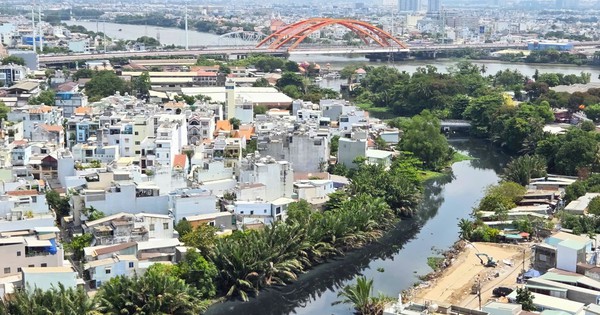
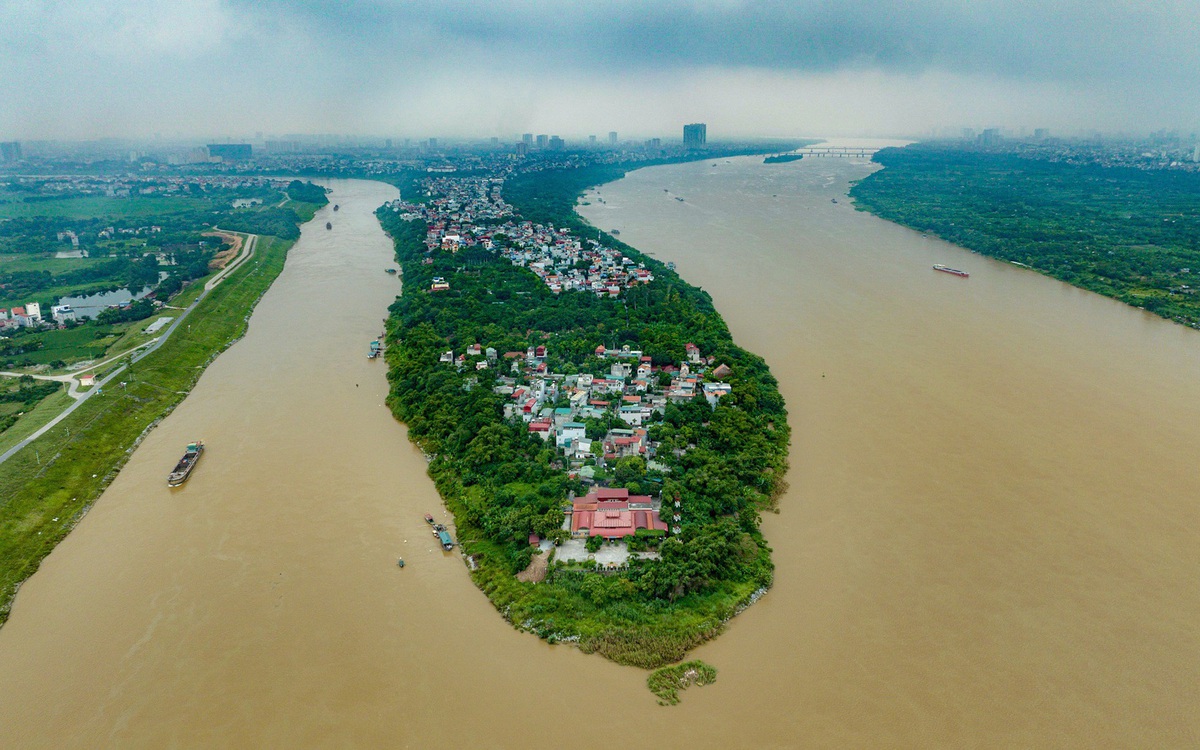
Hanoi is set to undergo a significant transformation in its water management strategy with the approval of a new irrigation plan that includes the construction of two new weirs on the Red and Duong rivers. As reported by Tuổi Trẻ, this ambitious project, part of the Red River-Thai Binh River Basin Irrigation Plan until 2030 with a vision to 2050, aims to address critical water scarcity issues during the dry season, revitalize polluted urban rivers, and enhance the region's landscape for tourism.
The plan outlines a dual approach: immediate measures involving the efficient operation of existing large reservoirs like Son La and Hoa Binh, alongside improvements to pumping stations. Long-term, the construction of the Xuan Quan weir on the Red River and the Long Tuu weir on the Duong River is envisioned. These structures are designed not only to regulate water flow and raise water levels but also to control saltwater intrusion in coastal areas and improve water quality in vital irrigation systems like Song Nhue and Bac Hung Hai.
This initiative reflects Vietnam's proactive stance in tackling environmental challenges and ensuring water security for its burgeoning agricultural sector and expanding urban centers. The projected investment of approximately 148.9 trillion VND underscores the scale and importance of this undertaking. The goals are substantial: by 2030, to ensure stable irrigation for about 740,000 hectares of rice fields and to enhance flood control measures. By 2050, the vision extends to fully overcoming water pollution and achieving robust control over saltwater intrusion, adapting to extreme climate scenarios.
From a Vietnamese perspective, this project is more than just an infrastructure development; it is a crucial step towards ecological restoration and sustainable development. The revival of the To Lich and Nhue rivers, long plagued by pollution, holds particular significance for the capital's urban environment and public health. The plan's emphasis on integrated water management, combining structural interventions with non-structural solutions, demonstrates a sophisticated understanding of the complex hydrological challenges faced by the Red River Delta. This forward-thinking approach, aiming to balance agricultural needs, urban development, and environmental protection, is vital for the region's future prosperity and resilience.
DistantNews Editorial
Originally published by Tuổi Trẻ in Vietnamese. Translated, summarized, and contextualized by our editorial team with added local perspective. Read our editorial standards.
More Stories


From Our Blog

What Gets Lost (and Found) When News Is Translated

The Critical Role of Diaspora Media in Global News

What Travellers Should Know About Countries with Restricted Press

A Digital Nomad's Guide to Following Local News

How the Same Story Looks Different in Different Countries
