

Vietnam proposes criminal charges for excessive noise pollution
Translated from Vietnamese, summarized and contextualized by DistantNews.
TLDR
- Vietnam's Ministry of Public Security is proposing criminal penalties for excessive noise pollution, citing public outcry and environmental concerns.
- Current regulations include fines for noise levels exceeding standards, but enforcement is challenging due to the need for specialized equipment and expertise.
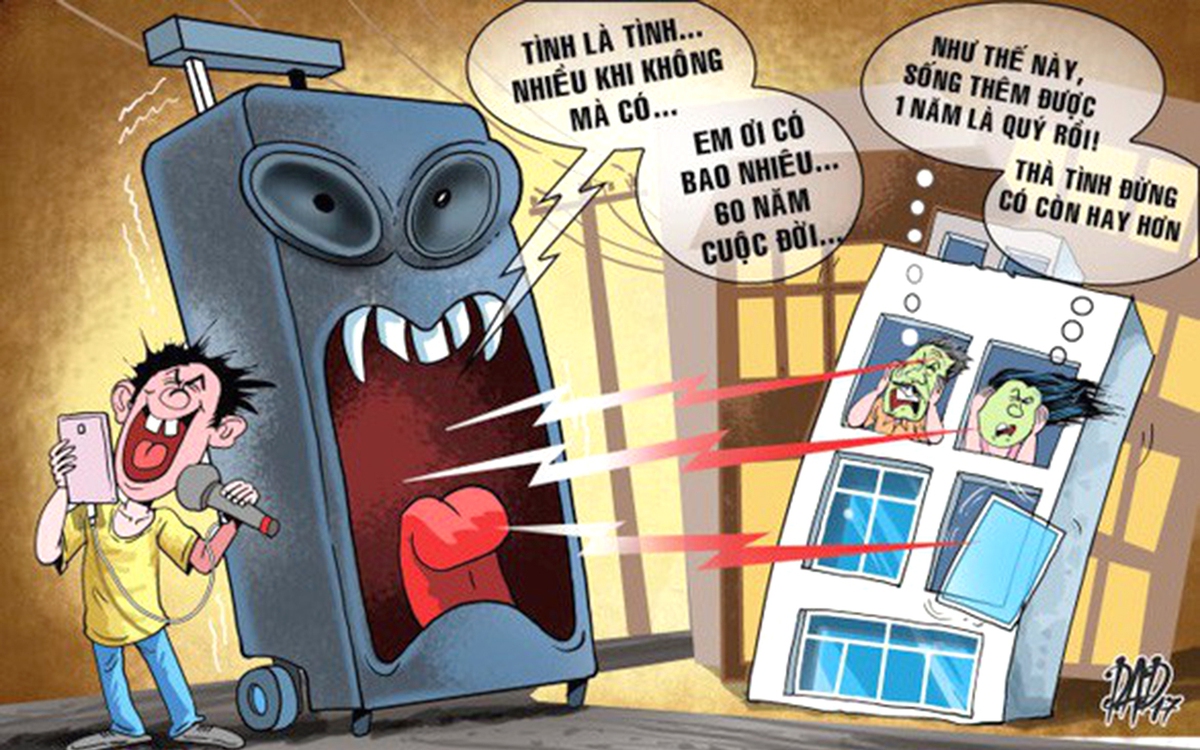
- The proposal aims to address issues like loud portable speakers and karaoke, which significantly disrupt public order and daily life.
The Ministry of Public Security in Vietnam is taking a firm stance against pervasive noise pollution, proposing the introduction of criminal penalties for those who consistently exceed acceptable noise levels. This move comes in response to widespread public frustration and growing environmental concerns, as excessive noise has become a significant irritant in daily life, particularly in urban areas. The ministry acknowledges that while the Penal Code has seen progress, certain practical challenges and negative phenomena persist, including environmental pollution.
Currently, Vietnam's regulations, such as Decree 45/2022, impose fines for noise violations, ranging from warnings for minor exceedances to substantial penalties of up to 160 million VND for noise levels 40 dBA or higher. Similar fines apply to excessive vibration. However, a major hurdle in enforcement has been the requirement for specialized equipment and certified personnel to conduct accurate noise measurements, a capability often lacking at the local commune or ward level. This has made it difficult for authorities to establish concrete grounds for issuing penalties.
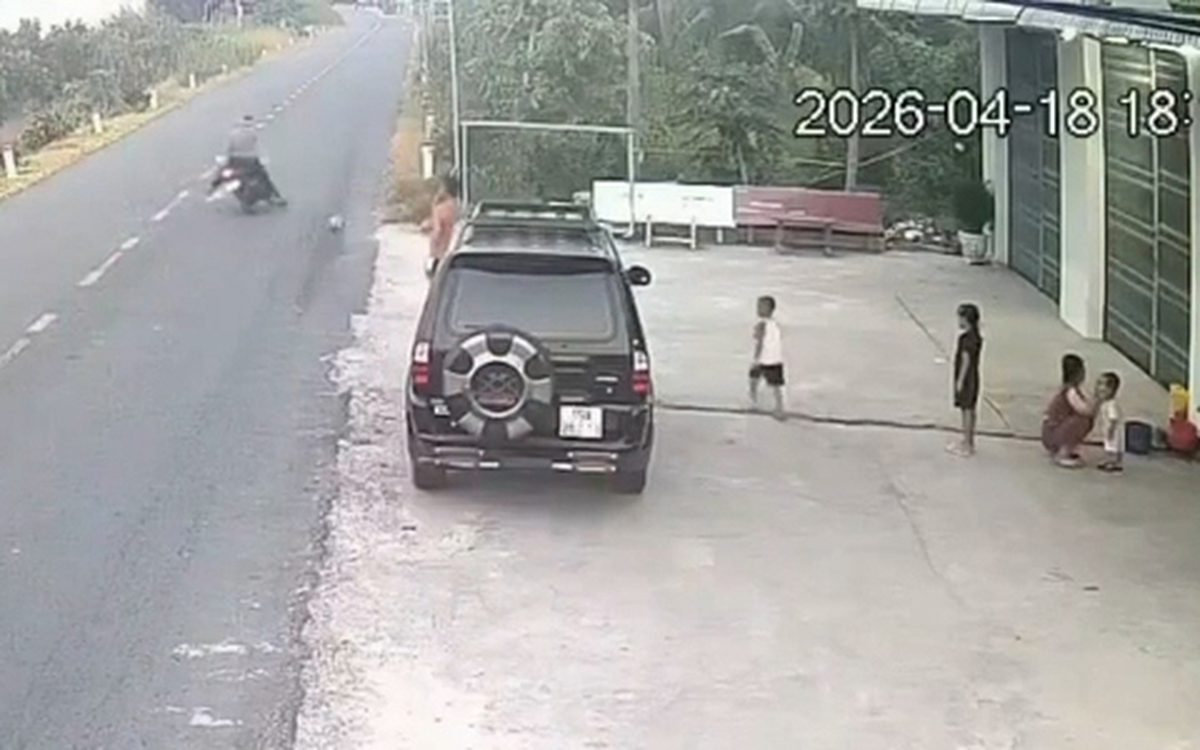
Many cases of neighbors singing karaoke next door, using portable speakers at full blast regardless of the time, gathering friends to sing until late at night... causing great disturbance.
Adding to the complexity, Decree 282/2025 offers a more streamlined approach by allowing authorities to penalize disruptive behavior, such as loud karaoke sessions affecting neighbors, with fines up to 2 million VND and confiscation of offending equipment, regardless of the time of day. This regulation has empowered local law enforcement to act more proactively. However, the current proposal seeks to elevate the response by considering criminal charges for persistent and severe offenders, reflecting the seriousness with which the government is now viewing noise pollution as a public nuisance and a threat to social order and well-being.
From a Vietnamese perspective, the issue of noise, particularly from portable speakers ('loa kẹo kéo') and late-night karaoke sessions, is a deeply felt grievance. Many citizens, like those cited by National Assembly delegate Phạm Văn Hòa, have voiced their exasperation over neighbors whose loud activities disrupt sleep, study, and general peace, often with little recourse. The proposed criminalization signals a recognition by the authorities that this is not merely a minor annoyance but a significant quality-of-life issue that warrants a stronger legal deterrent. It reflects a societal desire for greater public order and respect for shared living spaces, moving beyond mere administrative fines to a more robust legal framework.
Many times, going over to remind them, but as soon as we leave, it goes back to the way it was.
DistantNews Editorial
Originally published by Tuổi Trẻ in Vietnamese. Translated, summarized, and contextualized by our editorial team with added local perspective. Read our editorial standards.
More Stories

From Our Blog

What Gets Lost (and Found) When News Is Translated

The Critical Role of Diaspora Media in Global News

What Travellers Should Know About Countries with Restricted Press

A Digital Nomad's Guide to Following Local News

How the Same Story Looks Different in Different Countries
