

Vietnam Proposes New Classification and Ranking for Public Service Units
Translated from Vietnamese, summarized and contextualized by DistantNews.
TLDR
- The Ministry of Home Affairs in Vietnam has drafted a new decree on the classification and ranking of public non-business units nationwide.
- The draft introduces new criteria for reorganizing these units based on overall operational efficiency, including inefficiency and lack of financial autonomy.
- It also proposes a new ranking system with five tiers (special, 1, 2, 3, 4) based on various factors like organizational scale, labor, infrastructure, and operational effectiveness, with a 5-year ranking period.
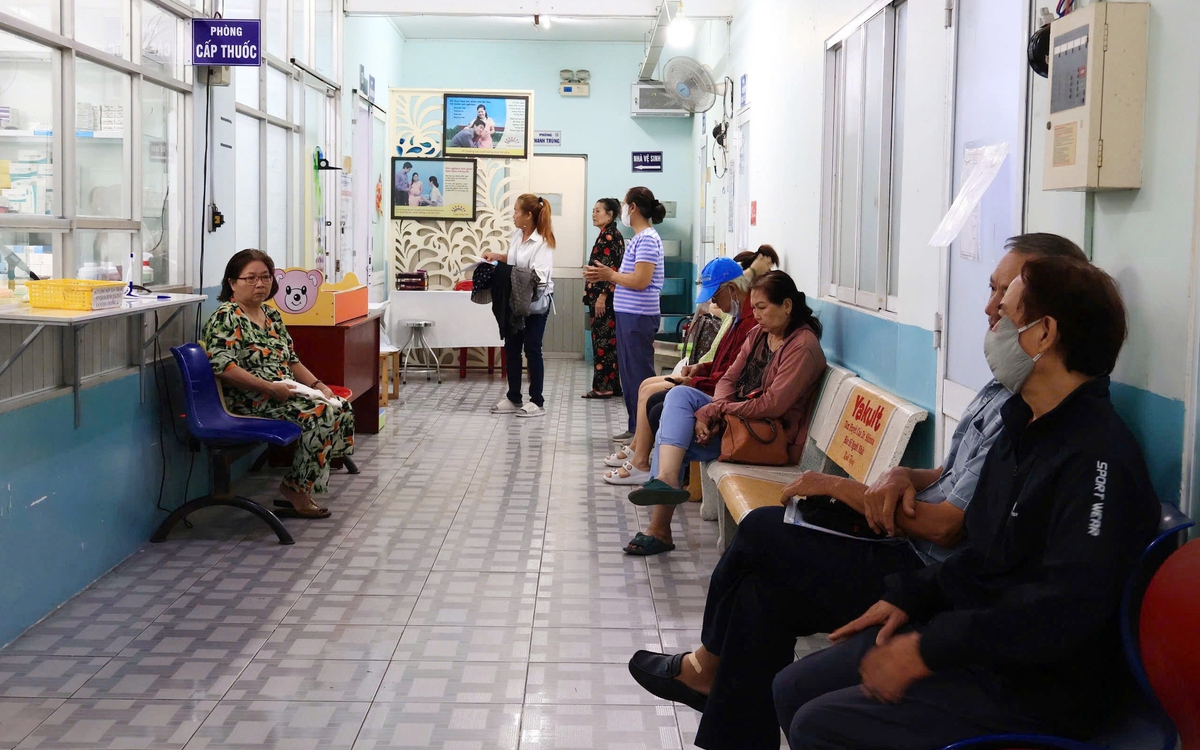
The Vietnamese government, through the Ministry of Home Affairs, is undertaking a significant reform aimed at enhancing the efficiency and management of public non-business units across the nation. This initiative, detailed in a draft decree currently under legal review, signals a move towards a more performance-driven approach in the public sector.
Our coverage in Tuổi Trẻ highlights the key changes proposed, which include stricter conditions for reorganizing these entities. The focus is shifting towards overall operational effectiveness, with specific attention paid to units that are deemed inefficient or lack sufficient financial autonomy. This reflects a broader governmental push for streamlining public services and optimizing resource allocation.
The introduction of a new ranking system, comprising five distinct tiers, is particularly noteworthy. This framework, which will assess units based on a comprehensive set of criteria—from organizational scale and labor quality to infrastructure and financial performance—aims to provide a clear benchmark for evaluation. The ultimate goal is to improve the quality of public services, boost revenue, and ensure that state resources are invested judiciously in units that demonstrate the highest levels of performance and self-sufficiency. This structured approach is expected to drive innovation and accountability within Vietnam's public service sector.
DistantNews Editorial
Originally published by Tuổi Trẻ in Vietnamese. Translated, summarized, and contextualized by our editorial team with added local perspective. Read our editorial standards.
More Stories


From Our Blog

What Gets Lost (and Found) When News Is Translated

The Critical Role of Diaspora Media in Global News

What Travellers Should Know About Countries with Restricted Press

A Digital Nomad's Guide to Following Local News

How the Same Story Looks Different in Different Countries
