


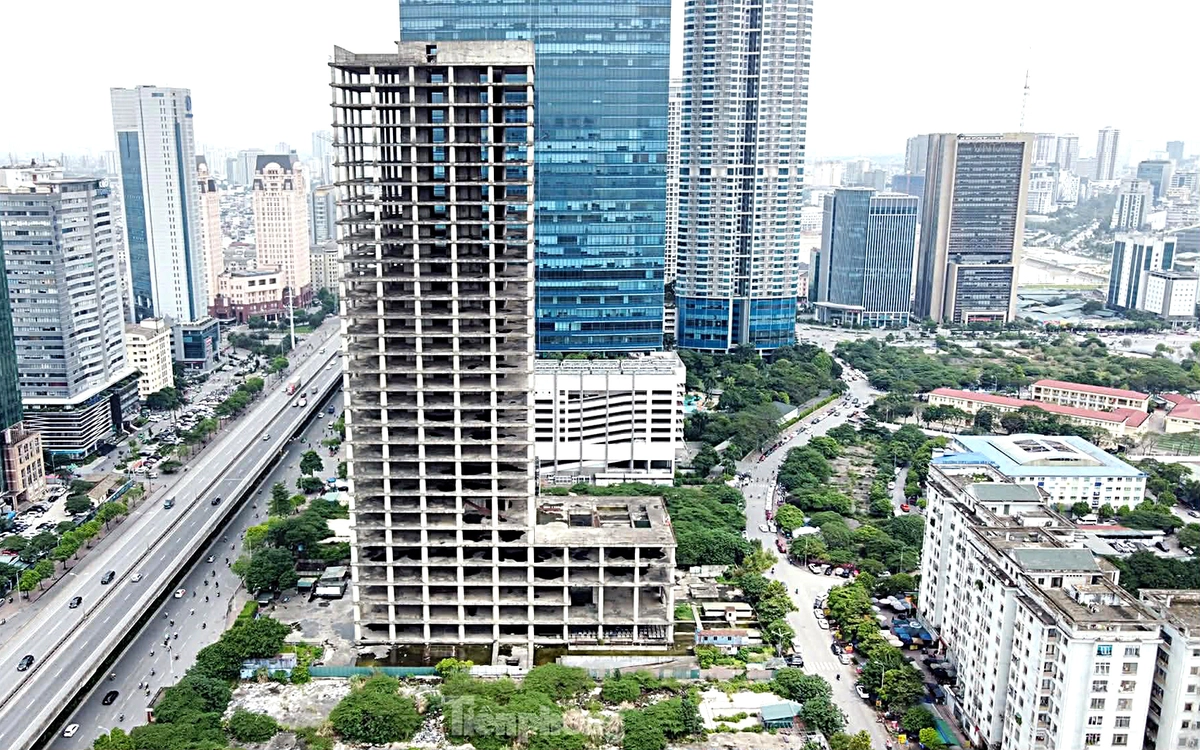
Vietnam's National Assembly Passes Resolution to Resolve Stalled Land Projects
Translated from Vietnamese, summarized and contextualized by DistantNews.
TLDR
- Vietnam's National Assembly has passed Resolution 29, establishing special mechanisms and policies to address land law violations that occurred before the 2024 Land Law takes effect.
- The resolution aims to resolve bottlenecks and difficulties for stalled projects, freeing up land resources to boost economic growth.
- It provides a framework for objectively assessing violations, distinguishing between those for personal gain and those motivated by development, while also protecting officials who act dynamically and creatively for the common good.
The recent passage of Resolution 29 by the National Assembly marks a significant step towards untangling the complex web of land-related legal issues that have hampered development across Vietnam. For years, numerous projects have languished, caught in bureaucratic quagmires and legal uncertainties stemming from violations of land use regulations that predated the new 2024 Land Law. This resolution offers a much-needed lifeline, establishing special mechanisms to address these "stalled projects" and unlock valuable land resources crucial for economic expansion.
The core of the resolution is to establish a unified mechanism to evaluate cases objectively and comprehensively, classifying and handling violations reasonably between those for personal gain and those stemming from a motive of development, for the common good.
As highlighted by National Assembly delegate Phạm Thị Hồng Yến, the resolution acknowledges that many past violations were not driven by illicit motives but rather by a desire to attract investment, facilitate business, boost state revenue, and create jobs. Some projects, despite procedural irregularities, have delivered tangible economic and social benefits. Resolution 29 seeks to strike a delicate balance: upholding legal strictness while offering a degree of leniency, particularly for violations committed with the intention of fostering development and serving the public interest. This approach aims to resolve past issues decisively while creating a more conducive environment for future growth.
Crucially, the resolution is designed not only to rectify past mistakes but also to foster a more dynamic and proactive administrative culture. By creating a framework that objectively assesses violations based on their socio-economic impact versus the incurred damages, it aims to protect officials who make bold, innovative decisions for the common good, provided they are free from corruption. This is a vital aspect for Vietnam, where fear of legal repercussions has often led to bureaucratic inertia. The implementation of Resolution 29 is expected to encourage greater efficiency and accountability within the land management sector, ultimately contributing to the nation's ambitious economic targets.
The resolution is built with a strict but humane approach, ensuring strict handling of violations while creating conditions to promptly resolve long-standing pending cases, demonstrating the clemency of the law.
From a Vietnamese perspective, this resolution is more than just a legal adjustment; it's an economic imperative. The efficient use and allocation of land are fundamental to Vietnam's development strategy. While international observers might see this as a complex legal reform, for Vietnamese citizens and businesses, it represents a tangible effort to clear obstacles and accelerate progress. The resolution's emphasis on distinguishing between corrupt practices and well-intentioned development efforts is particularly resonant, reflecting a desire to move past outdated bureaucratic hurdles and embrace a future of more streamlined, growth-oriented governance.
The implementation of the resolution will contribute to forming a mechanism to protect dynamic and creative officials who dare to think and dare to act for the common good without corruption or negativity.
DistantNews Editorial
Originally published by Tuổi Trẻ in Vietnamese. Translated, summarized, and contextualized by our editorial team with added local perspective. Read our editorial standards.
More Stories


From Our Blog

What Gets Lost (and Found) When News Is Translated

The Critical Role of Diaspora Media in Global News

What Travellers Should Know About Countries with Restricted Press

A Digital Nomad's Guide to Following Local News

How the Same Story Looks Different in Different Countries
