


Vietnam's proposed Land Law change sparks debate over removing mandatory notarization
Translated from Vietnamese, summarized and contextualized by DistantNews.
At a glance
News
Named sources
New plan
- A proposed amendment to Vietnam's Land Law would remove the mandatory requirement for notarization or authentication of land transactions.
- Experts and citizens express concern that this change could increase legal risks for individuals, despite the aim to reduce administrative procedures and costs.
- Notarization currently serves to verify the legality and authenticity of transactions, protect parties' rights, and prevent fraud.
A proposed revision to Vietnam's Land Law, which seeks to eliminate the mandatory notarization and authentication of land transactions, is sparking debate and concern among experts and the public. While the amendment aims to streamline administrative procedures and reduce costs, many fear it could expose individuals to greater legal risks.
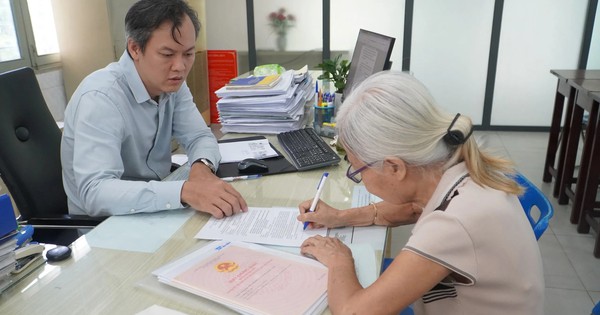
Notarization is not simply an administrative procedure to confirm a signature. In every real estate transaction, notarization provides practical protection for people's property rights.
The draft law, specifically Article 27, removes the requirement for contracts and documents related to land use rights transfers, leases, inheritances, gifts, and mortgages to be notarized or authenticated. Instead, the draft focuses on conditions such as possessing a land use rights certificate, the absence of disputes, and the land not being subject to enforcement measures or emergency temporary measures.
However, legal professionals argue that notarization plays a crucial role beyond a mere administrative step. Mr. Nguyễn Hồ Phương Vinh, Head of Notary Public Office No. 1 in Ho Chi Minh City, explained that notarization verifies the authenticity and legality of transactions, protects property rights, and ensures the voluntary consent of all parties. Notaries also assess the legal capacity of individuals and identify potential coercion, deception, or fraud, which is particularly important for vulnerable groups like the elderly or those with limited legal understanding.
This is particularly important in protecting vulnerable groups such as the elderly, those with little legal knowledge, or those with limited legal capacity.
Furthermore, notaries help individuals assess the legal status of their property and prevent scams. By verifying ownership rights and cross-referencing personal identification, they can stop fraudulent activities like selling the same property to multiple buyers or using forged documents. Documents that have been notarized are considered evidence in court and are strictly stored for at least 30 years, with notaries bearing personal responsibility and notary organizations holding professional liability insurance to compensate for any errors.
Notarized documents have the value of evidence before the court and are strictly stored for at least 30 years.
DistantNews Editorial
Originally published by Thanh Niên in Vietnamese. Translated, summarized, and contextualized by our editorial team with added local perspective. Read our editorial standards.
More Stories



From Our Blog

What Gets Lost (and Found) When News Is Translated

The Critical Role of Diaspora Media in Global News

What Travellers Should Know About Countries with Restricted Press

A Digital Nomad's Guide to Following Local News

How the Same Story Looks Different in Different Countries
