

Vietnam seeks to monetize World Cup viewership
Translated from Vietnamese, summarized and contextualized by DistantNews.
At a glance
News
Named sources
Context piece
- Vietnam's VTV Nam Bo is organizing a forum to help businesses leverage the 2026 World Cup for revenue and brand value.
- The 2026 World Cup, with 48 teams and 104 matches across the US, Canada, and Mexico, is seen as a massive economic ecosystem offering unprecedented opportunities for brands.
- Experts suggest that even late-night viewing hours can become prime time for the night economy, boosting retail, dining, and tourism if integrated with media and brands.
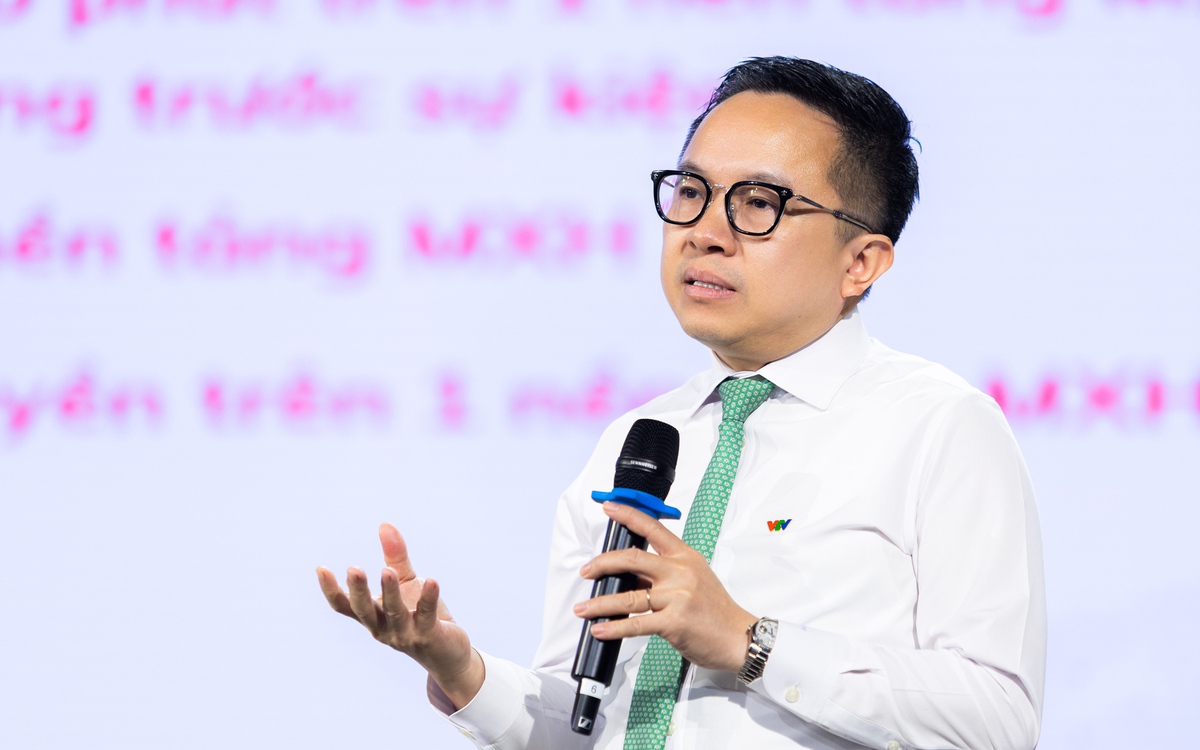
Businesses in Vietnam are exploring ways to capitalize on the upcoming 2026 World Cup to boost revenue and brand recognition. A forum organized by VTV Nam Bo in Ho Chi Minh City focused on transforming the "heat" of the World Cup into tangible business value.
VTV Nam Bo plans to broadcast 104 matches across its channels and digital platforms. The organization highlighted that partnering with VTV Nam Bo for the World Cup offers businesses more than just television exposure; it provides access to a comprehensive content ecosystem. This integrated approach aims to connect brands with consumers across multiple touchpoints, enhancing communication effectiveness.
The 104 World Cup matches will be broadcast on VTV9, VTV10, and VTV Nam Bo's digital platforms. When businesses partner with the World Cup on VTV Nam Bo, they will not only appear on television but also connect with VTV's entire World Cup content ecosystem. This is an opportunity for businesses to reach consumers at multiple touchpoints and increase communication effectiveness.
The 2026 World Cup is anticipated to be the largest ever, with 48 participating teams and 104 matches hosted in the United States, Canada, and Mexico. This global event is viewed not just as a sporting competition but as a vast economic ecosystem. Billions of viewers across television, social media, and digital platforms present unparalleled opportunities for brands to reach customers. Each match can stimulate consumption in sectors like food and beverage, retail, tourism, entertainment, and e-commerce.
Experts emphasize that while the World Cup has immense reach, businesses must find participation methods aligned with their budgets and objectives. This flexibility opens doors for small and medium-sized enterprises, not just large corporations. Ho Chi Minh City, with its population of over 14 million and a developed service sector, is well-positioned to systematically and sustainably harness economic benefits from the tournament. The late-night match schedule, typically from 2 to 5 a.m., can be transformed into a "golden hour for the night economy" through collaboration between broadcasters, local authorities, and brands, driving sales in retail and the night-time service industry.
A person watching football at 2 a.m. might order food, buy beer, share on social media, or invite friends to a cafe to watch together... These actions create a real boost for retail, the night economy, and domestic tourism. The 2 a.m. to 5 a.m. slot, instead of being a disadvantage, can become a 'golden hour for the night economy' if there is a connection between television, local government, and brands.
DistantNews Editorial
Originally published by Tuổi Trẻ in Vietnamese. Translated, summarized, and contextualized by our editorial team with added local perspective. Read our editorial standards.
More Stories
From Our Blog

What Gets Lost (and Found) When News Is Translated

The Critical Role of Diaspora Media in Global News

What Travellers Should Know About Countries with Restricted Press

A Digital Nomad's Guide to Following Local News

How the Same Story Looks Different in Different Countries
