

Vietnamese Commune Brings Land Title Services to Residents' Doorsteps
Translated from Vietnamese, summarized and contextualized by DistantNews.
At a glance
News
Named sources
Context piece
- Officials in Bù Đăng commune, Đồng Nai province, Vietnam, are visiting residents' homes to assist with land title registrations.
- This initiative aims to help people living far from the commune center, the elderly, and reduce travel time for land title applications.
- Readers praised the program, calling for similar administrative reforms across other regions and sectors.
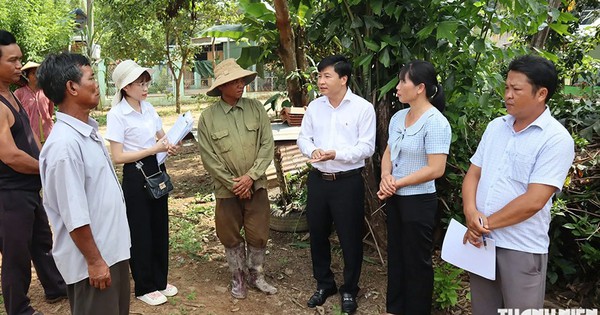
In Bù Đăng commune, Đồng Nai province, Vietnam, officials are bringing administrative services directly to citizens' doorsteps, offering a much-needed solution for land title registration. This proactive approach has been met with widespread approval from readers, who see it as a model for genuine administrative reform.
The initiative targets residents who live far from the commune center, the elderly, and anyone facing difficulties in obtaining land use rights certificates, commonly known as "sổ đỏ." By dispatching working groups to homes, the commune aims to simplify the process, reduce travel burdens, and save people time and money, particularly those who might otherwise resort to expensive intermediaries.
Readers have lauded the program as a true "people-centered administration." Trọng Nguyễn Đình commented, "Very good! It prevents people from having to hire expensive brokers." Hà Huy Tùng Nguyên, who lives far from the commune center, shared his relief, noting how challenging it can be to take time off work, arrange childcare, and travel for paperwork. He highlighted that officials visiting homes create a more comfortable environment for citizens, especially the elderly, who may feel intimidated by formal government offices.
Rất hay! Để người dân không phải thuê môi giới tốn tiền
This practical approach has led to suggestions for broader implementation. Phạm Duy proposed that other provinces and communes identify underserved populations and establish mobile support points or organize officials to visit remote communities. He also suggested forming interdisciplinary teams for complex cases to provide comprehensive answers in one go, emphasizing that while the exact model may vary, the spirit of proactive, reality-based organization should be replicated.
Đoàn Hải Minh echoed these sentiments, pointing out that many people in his area have been waiting years for their land titles due to administrative hurdles. He stressed the importance of officials actively contacting citizens to clarify the status of their applications rather than expecting people to constantly follow up. The Bù Đăng model, he believes, offers a way to clear backlogs by categorizing applications and providing targeted, on-site assistance, ensuring officials take responsibility until the end.
Có lẽ những người sống gần trụ sở xã sẽ khó hình dung cảm giác của dân ở xa. Nhà tôi cách trung tâm khá xa. Mỗi lần có việc giấy tờ là phải thu xếp người trông nhà, nghỉ việc, chuẩn bị tiền xe rồi vẫn lo hồ sơ có đúng hay chưa. Chính vì vậy, đọc tin cán bộ xuống tận nhà giúp dân làm sổ đỏ, tôi thấy nhẹ lòng dù mình không ở địa phương đó. Nhiều cô chú lớn tuổi rất ngại bước vào phòng làm việc của cơ quan nhà nước, sợ nói không đúng, sợ không hiểu câu hỏi, sợ bị yêu cầu làm lại. Cán bộ chủ động đến nhà, cách nói chuyện gần gũi hơn, người dân cũng mạnh dạn trình bày những chỗ chưa rõ
DistantNews Editorial
Originally published by Thanh Niên in Vietnamese. Translated, summarized, and contextualized by our editorial team with added local perspective. Read our editorial standards.
More Stories
From Our Blog

What Gets Lost (and Found) When News Is Translated

The Critical Role of Diaspora Media in Global News

What Travellers Should Know About Countries with Restricted Press

A Digital Nomad's Guide to Following Local News

How the Same Story Looks Different in Different Countries
