


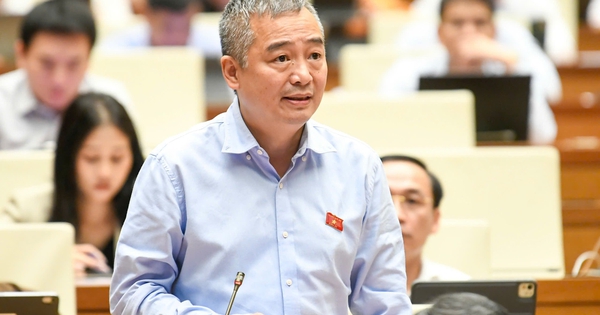
Vietnamese Delegate: Healthcare Autonomy Drives Doctors from Rural Hospitals
Translated from Vietnamese, summarized and contextualized by DistantNews.
At a glance
News
Named sources
Context piece
- A Vietnamese National Assembly delegate highlighted issues with healthcare autonomy at the district level.
- He stated that financial pressures force skilled doctors to leave rural hospitals for cities or private practice.
- The delegate proposed removing autonomy for rural hospitals and ensuring stable salaries to retain medical staff.
Nguyen Lan Hieu, a delegate to the National Assembly and Director of Hanoi Medical University Hospital, has raised concerns about the impact of financial autonomy on healthcare services at the district level in Vietnam. He argues that the current system places a significant burden on medical staff, leading experienced doctors to seek opportunities in urban centers or establish private clinics.
Hieu observed that while policies like increased subsidies and continuous training have boosted the healthcare sector, the autonomy model for rural and mountainous hospitals is problematic. These hospitals serve primarily low-income populations, with nearly 99% of their revenue coming from health insurance. The pressure of self-financing often leads to delayed salary payments and hinders income growth for staff.
The autonomy in regular expenses always creates a burden for medical staff here, and the phenomenon of quitting is largely due to this reason. Salaries are often not even received on time, let alone additional income.
"The autonomy in regular expenses always creates a burden for medical staff here, and the phenomenon of quitting is largely due to this reason," Hieu stated. He believes this situation drives "skilled and experienced doctors to find ways to move to the city or open private clinics." Therefore, he proposed that rural and mountainous district-level hospitals should be exempted from financial autonomy to alleviate the pressure and prevent them from deviating from their core mission.
To address this, Hieu suggested supplementing the national target program with financial resources to provide stable base salaries for medical staff in rural and remote areas. He also recommended categorizing health check-ups based on patient groups: those with chronic conditions or registered with local hospitals, workers and civil servants requiring regular check-ups, and vulnerable groups like the elderly, children, and those with financial difficulties. This structured approach, he believes, would improve efficiency and ensure better support for essential healthcare services.
skilled and experienced doctors to find ways to move to the city or open private clinics.
DistantNews Editorial
Originally published by Thanh Niên in Vietnamese. Translated, summarized, and contextualized by our editorial team with added local perspective. Read our editorial standards.
More Stories
From Our Blog

What Gets Lost (and Found) When News Is Translated

The Critical Role of Diaspora Media in Global News

What Travellers Should Know About Countries with Restricted Press

A Digital Nomad's Guide to Following Local News

How the Same Story Looks Different in Different Countries
