

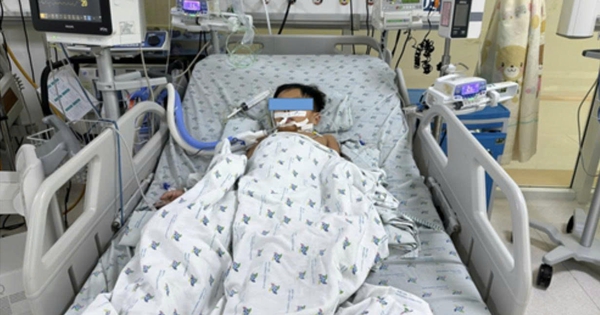

Young woman suffers acute heart attack in Ho Chi Minh City
Translated from Vietnamese, summarized and contextualized by DistantNews.
At a glance
News
Sources not specified
Outcome reported
- A 27-year-old woman in Ho Chi Minh City suffered a sudden heart attack despite having a history of hypertension that was not regularly monitored.
- Doctors performed an emergency coronary stent procedure to restore blood flow to her heart muscle.
- The case highlights that heart attacks can occur in young people, urging them not to ignore potential symptoms.
A young woman in Ho Chi Minh City experienced a sudden and severe heart attack, requiring urgent intervention to save her life. The 27-year-old patient, who had a history of hypertension, was admitted to Thu Duc City General Hospital with severe chest pain and difficulty breathing.
Heart attack occurs when the blood supply to a part of the heart muscle is suddenly reduced or interrupted. If not promptly restored, the oxygen-deprived heart muscle can become necrotic and cause severe complications such as heart failure, dangerous arrhythmias, cardiogenic shock, or death.
Doctors diagnosed her with an acute myocardial infarction and immediately proceeded with an emergency coronary angiography and intervention. A stent was placed to reopen a blocked coronary artery, restoring crucial blood flow to her heart muscle. Following the procedure, the patient's condition stabilized, and she was discharged in good health.
Dr. Tran Nhan Nghia of the hospital's Interventional Cardiology Department emphasized that heart attacks are not exclusive to older individuals. He explained that while atherosclerosis is a common cause, other factors like coronary artery spasm, spontaneous dissection, hypercoagulable states, or congenital coronary anomalies can also trigger heart attacks in younger people. The patient's poorly managed hypertension was identified as a significant risk factor.
In acute myocardial infarction, the sooner the coronary artery is reopened, the higher the chance of preserving the heart muscle. Conversely, if the ischemia is prolonged, the damaged heart muscle area can become larger, increasing the risk of complications and affecting long-term heart function.
Dr. Nghia urged young people to be vigilant about symptoms such as chest pain or pressure, pain radiating to the arms or jaw, shortness of breath, sweating, nausea, or unusual fatigue. Prompt medical attention is critical, as the sooner blood flow is restored, the more heart muscle can be preserved, reducing the risk of long-term complications like heart failure or dangerous arrhythmias.
Young people should not be complacent about symptoms that could lead to acute myocardial infarction.
DistantNews Editorial
Originally published by Thanh Niên in Vietnamese. Translated, summarized, and contextualized by our editorial team with added local perspective. Read our editorial standards.
More Stories

From Our Blog

What Gets Lost (and Found) When News Is Translated

The Critical Role of Diaspora Media in Global News

What Travellers Should Know About Countries with Restricted Press

A Digital Nomad's Guide to Following Local News

How the Same Story Looks Different in Different Countries
