

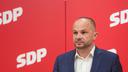
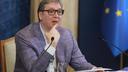
Vučić Slams EU Rapporteur Picula: 'He Often Speaks, and It Is Usually Short and Stupid'
Translated from Croatian, summarized and contextualized by DistantNews.
TLDR
- Serbian President Aleksandar Vučić criticized European Parliament rapporteur Tonino Picula's statements, calling them "short and stupid."
- Vučić accused Picula of fabricating information about his wartime activities and aiming to destabilize Serbia.
- Vučić asserted that Serbian media acted professionally by publishing Picula's remarks, despite their perceived lack of news value.
Belgrade views the pronouncements of certain European Parliament officials, like Tonino Picula, with a mixture of disdain and suspicion. President Vučić's sharp retort to Picula's characterization of his regime as a source of instability reflects a common sentiment here: that external criticism often lacks understanding of Serbia's complex realities and is driven by political agendas rather than genuine concern. The President's dismissal of Picula's comments as "short and stupid" is a direct challenge to the rapporteur's credibility and a signal that Serbia will not be lectured by those who, in Vučić's view, invent narratives about its past and present.
He often speaks, and it is usually short and stupid.
The reference to a "picture of Picula with a Kalashnikov" and the accusation of fabricating stories about Vučić's wartime presence, including the alleged "Sarajevo safari," are potent rhetorical tools used to discredit the critic and rally domestic support. This framing suggests that Picula's criticisms are not based on facts but on a distorted, perhaps even hostile, perception of Serbia and its leadership. From Belgrade's perspective, such attacks are not merely personal but are aimed at undermining Serbia's sovereignty and its efforts to maintain regional stability on its own terms.
They think we should flatter them so they change their tone about Serbia. You know how much I care about that.
Furthermore, Vučić's defense of the Serbian media's decision to publish Picula's statement, despite deeming it "not news," highlights a perceived double standard. The President implies that Western media often ignores or downplays Serbian perspectives, while Serbian outlets are expected to amplify criticism from abroad. By framing the publication as a professional act, Vučić subtly defends the media's role in reflecting, even if critically, the international discourse surrounding Serbia, while simultaneously reinforcing his own narrative of defending the nation against external pressures. This dynamic is crucial to understanding how political narratives are constructed and contested within Serbia and its relationship with the EU.
Officials like Picula invent things about my stay during the war in Bosnia and Herzegovina and the alleged paid wartime 'Sarajevo safari' – paying to shoot people.
DistantNews Editorial
Originally published by Večernji List in Croatian. Translated, summarized, and contextualized by our editorial team with added local perspective. Read our editorial standards.
More Stories

From Our Blog

What Gets Lost (and Found) When News Is Translated

The Critical Role of Diaspora Media in Global News

What Travellers Should Know About Countries with Restricted Press

A Digital Nomad's Guide to Following Local News

How the Same Story Looks Different in Different Countries
