

Want to Lower Blood Pressure: Don't Just Focus on the Salt Shaker in the Kitchen
Translated from Vietnamese, summarized and contextualized by DistantNews.
TLDR
- Many people with hypertension mistakenly focus only on reducing salt added during cooking, overlooking sodium in processed foods and restaurant meals.
- Experts state that over 70% of daily sodium intake comes from processed foods, not directly added salt.
- High sodium intake can reduce the effectiveness of blood pressure medications and increase the risk of stroke, heart disease, and kidney damage.
Tuổi Trẻ highlights a common misconception among individuals managing hypertension: the belief that solely reducing salt added during cooking is sufficient. Cardiologists emphasize that the primary source of sodium intake is often hidden within processed foods and restaurant meals, not the salt shaker at home. This oversight can lead to a false sense of security, as people may still consume excessive sodium without realizing it. The article cites the American Heart Association, noting that over 70% of the sodium in modern diets originates from processed items like sausages, deli meats, instant noodles, canned goods, sauces, and bread, as well as restaurant fare.
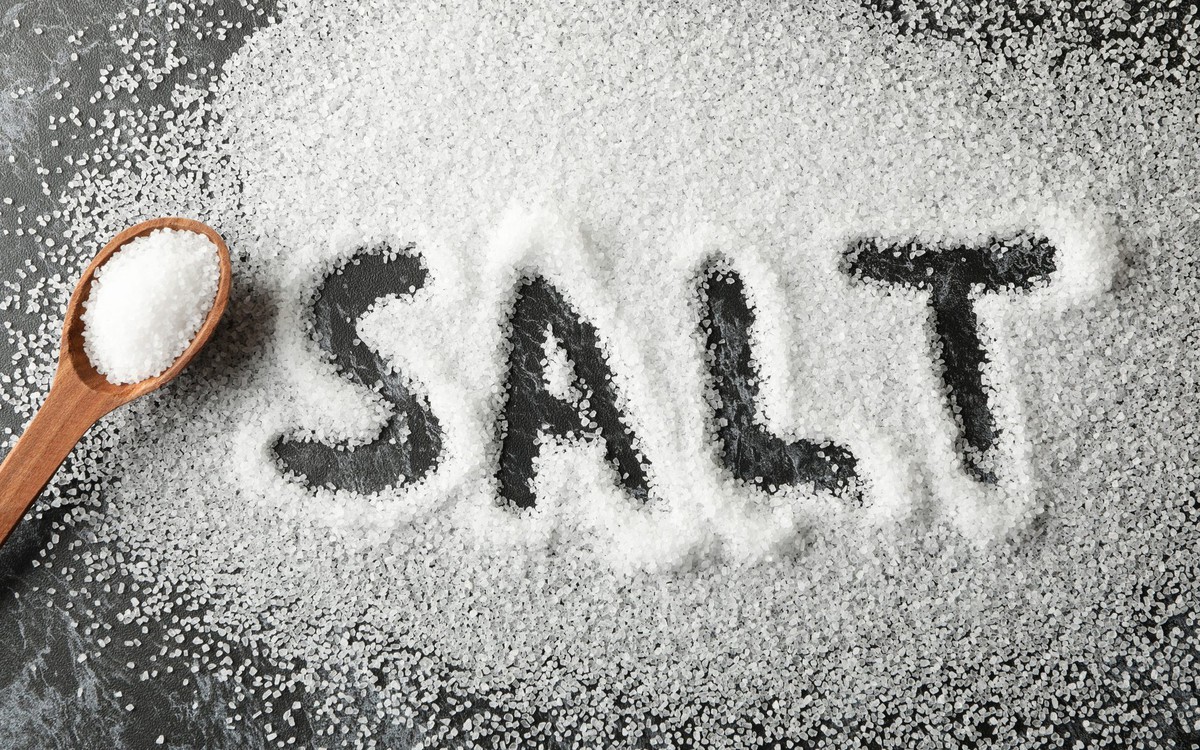
Many people with high blood pressure try to eat less salty by adding less salt to their food. However, according to cardiologists, this is not the most important factor.
This hidden sodium poses a significant challenge because many of these foods do not taste overtly salty, yet can contain over 1,000 mg of sodium per serving—a substantial portion of the daily recommended intake for hypertensive patients. Experts like Dr. Sonal Chandra from the University of Chicago Medical Center warn that if dietary habits aren't fundamentally changed, blood pressure medications may struggle to be fully effective. High sodium levels cause the body to retain more water, increasing blood volume and pressure on blood vessel walls. This can counteract the effects of medication and, over the long term, lead to less elastic blood vessels, increasing the risk of stroke, heart disease, and kidney damage.
The majority of the sodium the body absorbs each day actually comes from processed foods and restaurant meals.
From a Vietnamese perspective, where traditional cuisine often involves flavorful sauces and seasonings, and the consumption of processed snacks and street food is common, this advice is particularly relevant. Tuổi Trẻ aims to educate its readers on making informed choices beyond simply limiting table salt. The publication encourages practical steps such as reading nutrition labels, choosing low-sodium products, rinsing canned goods, and using natural flavor enhancers like garlic, pepper, lemon, and herbs. It also promotes consuming potassium-rich foods like bananas and leafy greens, which help balance sodium's effects. By focusing on the 'hidden' sodium and advocating for a comprehensive dietary overhaul, Tuổi Trẻ empowers Vietnamese readers to take more effective control of their blood pressure and overall cardiovascular health.
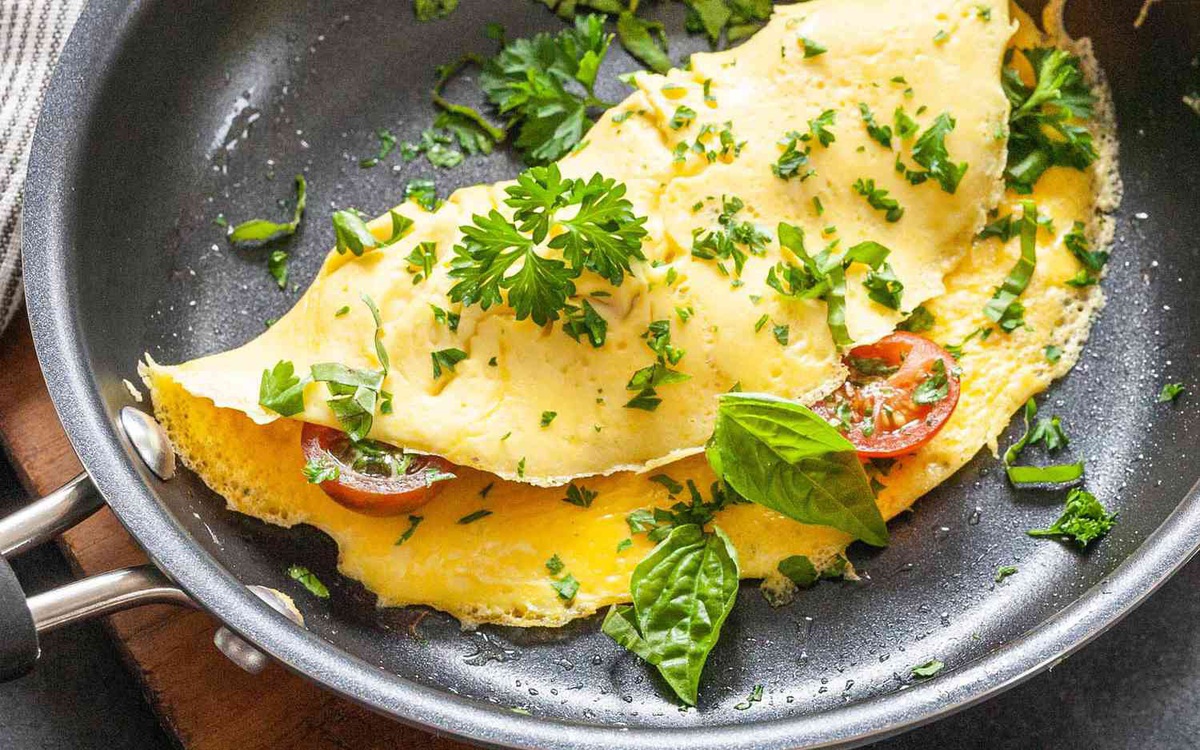
Focusing only on the salt shaker on the table can create a 'false sense of security'. Many people think they are eating less salt but are still inadvertently consuming too much sodium from sausages, cold cuts, instant noodles, canned goods, sauces, bread, or restaurant meals.
DistantNews Editorial
Originally published by Tuổi Trẻ in Vietnamese. Translated, summarized, and contextualized by our editorial team with added local perspective. Read our editorial standards.
More Stories

From Our Blog

What Gets Lost (and Found) When News Is Translated

The Critical Role of Diaspora Media in Global News

What Travellers Should Know About Countries with Restricted Press

A Digital Nomad's Guide to Following Local News

How the Same Story Looks Different in Different Countries
