

War in Ukraine: Putin suggests meeting with Zelenskyy
Translated from German, summarized and contextualized by DistantNews.
TLDR
- Russian President Vladimir Putin suggested that the war in Ukraine is nearing its end and expressed openness to direct talks with Ukrainian President Volodymyr Zelenskyy.
- Putin stated that any meeting would require Zelenskyy to come to Moscow, or a prior agreement on a long-term peace accord if held in a third country.
- Former German Chancellor Gerhard Schröder was proposed by Putin as a potential mediator for Russia-EU talks.
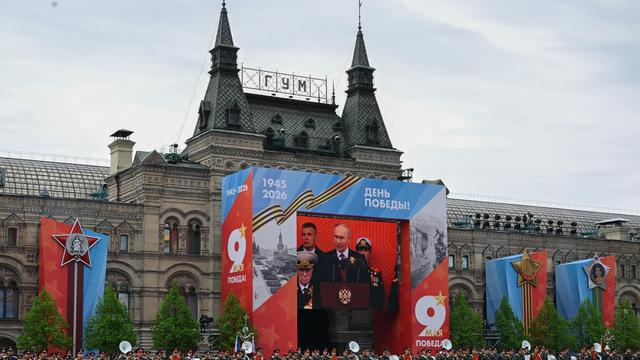
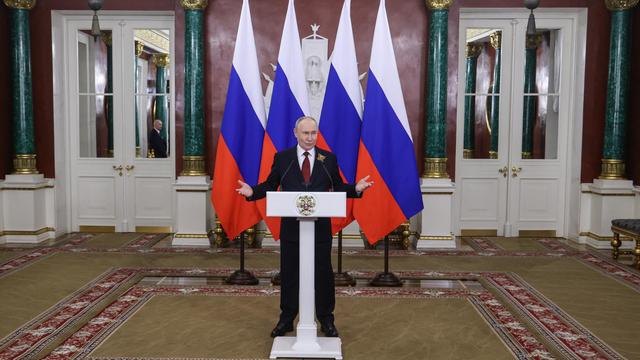
Russian President Vladimir Putin has indicated that the conflict in Ukraine is approaching its conclusion, while simultaneously outlining conditions for direct negotiations with Ukrainian President Volodymyr Zelenskyy. In a press conference following Victory Day commemorations, Putin stated that while the war "is drawing to a close," it remains a "serious matter."
The conflict 'is drawing to a close,'
Putin's remarks suggest a willingness to engage in dialogue, but with clear stipulations. He noted that he had been informed of Zelenskyy's readiness for a personal meeting, emphasizing that any such encounter would necessitate Zelenskyy traveling to Moscow. Alternatively, for discussions to occur in a third country, Putin insisted on the prior achievement of a "long-term, viable peace agreement."
Whoever wants to meet with him must come to Moscow.
Notably, Putin proposed former German Chancellor Gerhard Schröder as a potential mediator for talks between Russia and the European Union. Putin expressed a preference for discussions with Schröder, highlighting their personal relationship and Schröder's previous involvement as a mediator shortly after the war's commencement. This suggestion underscores Russia's interest in leveraging established relationships for diplomatic engagement.
Of all European politicians, I would prefer talks with Schröder.
While Zelenskyy has ruled out traveling to Moscow, and the feasibility of a third-country meeting hinges on pre-existing peace accords, Putin's statements signal a complex diplomatic landscape. The mention of a three-day ceasefire announced by U.S. President Donald Trump, which took effect on Saturday, and plans for prisoner exchanges, adds another layer to the ongoing efforts towards de-escalation, though the core conditions for direct high-level talks remain a significant hurdle.
There was no personal message.
DistantNews Editorial
Originally published by Die Zeit in German. Translated, summarized, and contextualized by our editorial team with added local perspective. Read our editorial standards.
More Stories


From Our Blog

What Gets Lost (and Found) When News Is Translated

How the Same Story Looks Different in Different Countries

The Critical Role of Diaspora Media in Global News

What Travellers Should Know About Countries with Restricted Press

A Digital Nomad's Guide to Following Local News
