


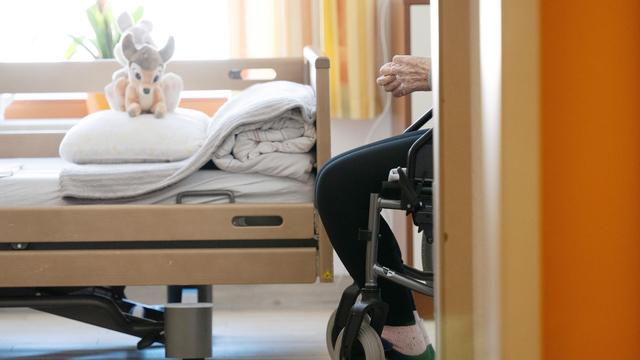
Warken's nursing reform faces sharp criticism
Translated from German, summarized and contextualized by DistantNews.
At a glance
News
Named sources
New plan
- German Health Minister Nina Warken faces strong opposition to her proposed nursing care reform, even from within her own coalition.
- Critics, including SPD and CSU representatives, object to proposed cuts and increased burdens on the sick and their relatives.
- Municipalities warn of rising social welfare costs if more people become dependent on aid.
German Health Minister Nina Warken's plan for a nursing care reform is encountering significant resistance, with criticism mounting from both within and outside her governing coalition. Representatives from the SPD and CSU parties, along with state and local officials, are demanding revisions to the proposal, particularly targeting measures that would increase financial burdens on those needing care and their family members.
We reject these proposals because they place a greater burden on those in need of care and their families and put care workers in a worse position.
Mecklenburg-Vorpommern's Minister President Manuela Schwesig (SPD) voiced strong disapproval, stating that a reform making care unaffordable would be a failure. She criticized the proposed cuts for negatively impacting care recipients and their families, as well as care workers. Schwesig also expressed frustration that Warken initiated the bill without consulting the states, a move she deemed a "serious mistake."
It is a serious mistake that the Federal Minister of Health is initiating a bill that has not been coordinated with the states, just as with the health reform.
The president of the German Association of Cities, Burkhard Jung (SPD), called the proposal "shocking and infuriating." He argued that forcing elderly individuals onto social welfare is disrespectful. The CSU's parliamentary group leader in Bavaria, Klaus Holetschek, echoed concerns about the impact on informal caregivers, stating that reducing their pension benefits would be a "slap in the face" to those supporting the care system. He warned that if cost reductions for nursing homes are delayed, the increased expenses would ultimately fall on municipalities and the care recipients themselves.
If you want to strengthen family caregivers, you must not accept cuts to their pensions. That is a slap in the face to the people who keep our care system running day after day.
Warken's draft aims to avoid general contribution increases by introducing spending caps and new revenue streams, as the nursing care insurance system faces a projected deficit of 7.6 billion euros by 2027. Proposed measures include a slight increase in the care contribution for childless individuals and restrictions on the free co-insurance of spouses. Stricter criteria for assessing care needs are also part of the plan. However, two specific austerity measures are drawing particular criticism: limitations on out-of-pocket expenses for nursing home care, which patient advocates and social associations have long called for, and stricter eligibility rules for care grades.
I am shocked and furious. Leaving older people to the social welfare office is disrespectful.
DistantNews Editorial
Originally published by Die Zeit in German. Translated, summarized, and contextualized by our editorial team with added local perspective. Read our editorial standards.
More Stories

From Our Blog

What Gets Lost (and Found) When News Is Translated

How the Same Story Looks Different in Different Countries

The Critical Role of Diaspora Media in Global News

What Travellers Should Know About Countries with Restricted Press

A Digital Nomad's Guide to Following Local News
