


"We know where it will hit hardest and where less": Orsi discusses El Niño effects and announces new protocols
Translated from Spanish, summarized and contextualized by DistantNews.
At a glance
News
Named sources
New plan
- Uruguayan President Yamandú Orsi announced new coordination protocols to address the impacts of the super El Niño phenomenon.
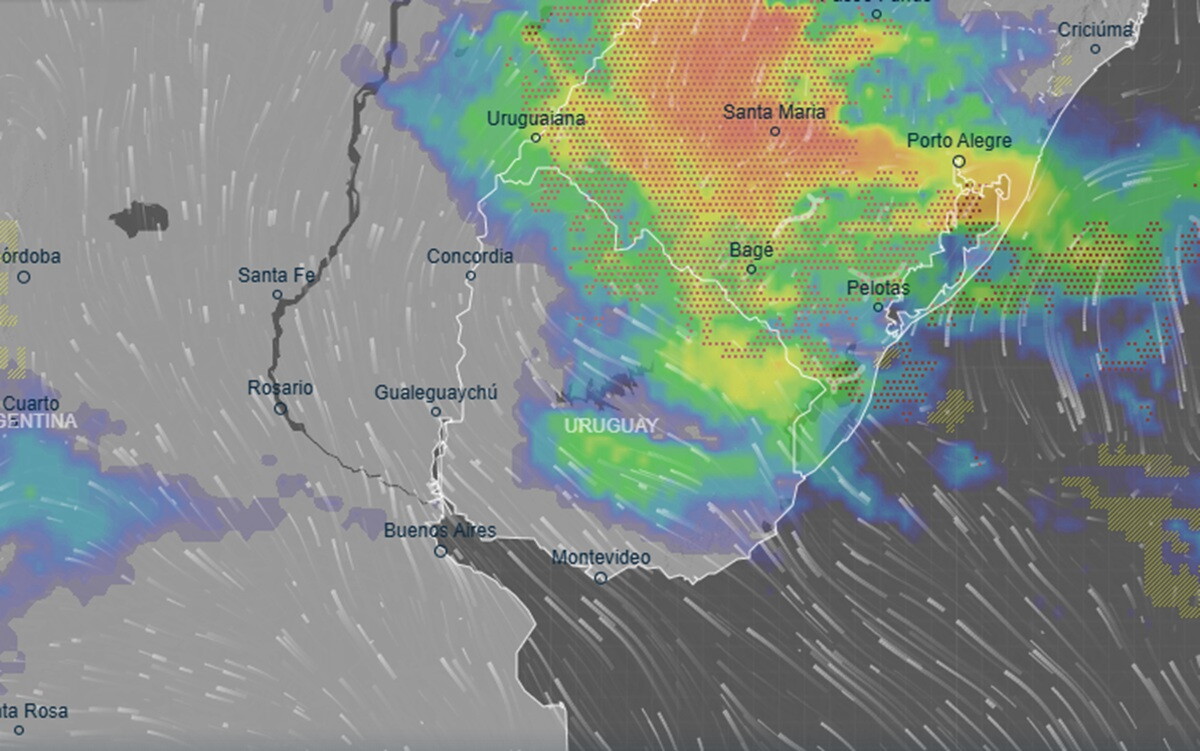
- Orsi stated that the phenomenon will not affect all regions equally, and meteorological reports indicate where impacts will be most severe.
- The National Emergency System (Sinae) will establish a new coordination space, and departmental emergency centers will socialize their protocols in August.
Uruguayan President Yamandú Orsi has announced the development of new coordination protocols to manage the anticipated effects of the super El Niño climate phenomenon. Speaking at the Congress of Intendants, Orsi emphasized that the phenomenon's impact will vary across different regions of the country. He noted that meteorological reports have already identified areas likely to experience the most significant effects.
This month we made the first forecast of what will happen to us in spring; it is truly about the El Niño climate phenomenon.
"This month we made the first forecast of what will happen to us in spring; it is truly about the El Niño climate phenomenon," Orsi warned. He detailed that in August, protocols generated by departmental emergency coordination centers (Cecoed) will be shared. Orsi highlighted that historical data since 1998 provides relevant insights into how floods, which are expected to be a consequence of El Niño, have impacted the country.
The National Emergency System (Sinae) will create a new coordination space in collaboration with the Congress of Intendants, recognizing that El Niño's effects will not be uniform nationwide. "We have a history since 1998 of how floods repercuss, it will be water that we will have, we know from meteorology reports that this month all the work was done on where it will hit more and where less," the president indicated.
We have a history since 1998 of how floods repercuss, it will be water that we will have, we know from meteorology reports that this month all the work was done on where it will hit more and where less.
Orsi also referred to international climate models, including data from the European Centre for Medium-Range Weather Forecasts (ECMWF) and the US National Oceanic and Atmospheric Administration (NOAA). These models project extreme thermal anomalies in the Niño 3.4 region of the Pacific Ocean, indicating a significant accumulation of heat with the potential for profound alterations in global atmospheric circulation. Orsi assured that based on historical patterns, Uruguay should not expect many surprises regarding the nature of the impacts, despite the severity of the phenomenon.
Since 1998, the different El Niños have hit in a fairly similar way, beyond the sadness of this, we are not going to have many surprises.
DistantNews Editorial
Originally published by El País in Spanish. Translated, summarized, and contextualized by our editorial team with added local perspective. Read our editorial standards.
More Stories
From Our Blog

What Gets Lost (and Found) When News Is Translated

The Critical Role of Diaspora Media in Global News

What Travellers Should Know About Countries with Restricted Press

A Digital Nomad's Guide to Following Local News

How the Same Story Looks Different in Different Countries
