

We solved the math problem that Péter Magyar didn't even dare to start
Translated from Hungarian, summarized and contextualized by DistantNews.
At a glance
News
Sources not specified
Context piece
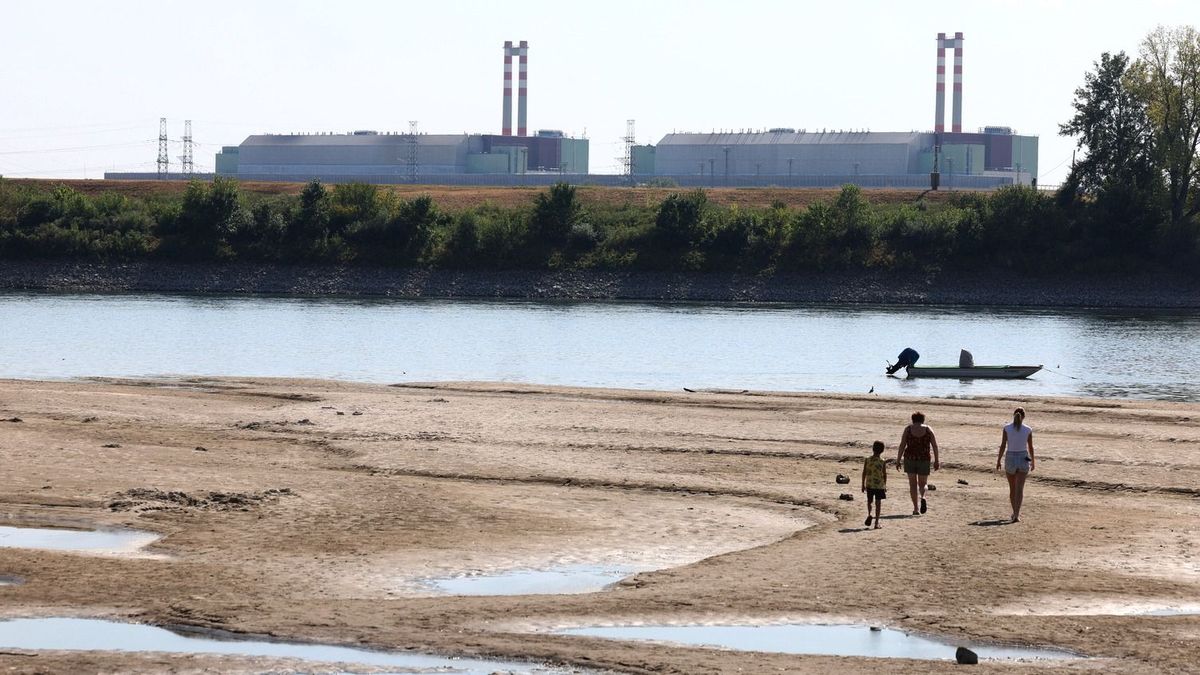
- Hungary's Paks II nuclear power plant project is addressing cooling concerns related to low Danube river levels and high water temperatures.
- The project includes supplementary peak cooling systems and a water intake level two meters lower than the current plant to ensure operational reserves during low water conditions.
- Experts emphasize that technical solutions for cooling, energy production, and environmental requirements are distinct and have been considered throughout the design process, not as an afterthought.
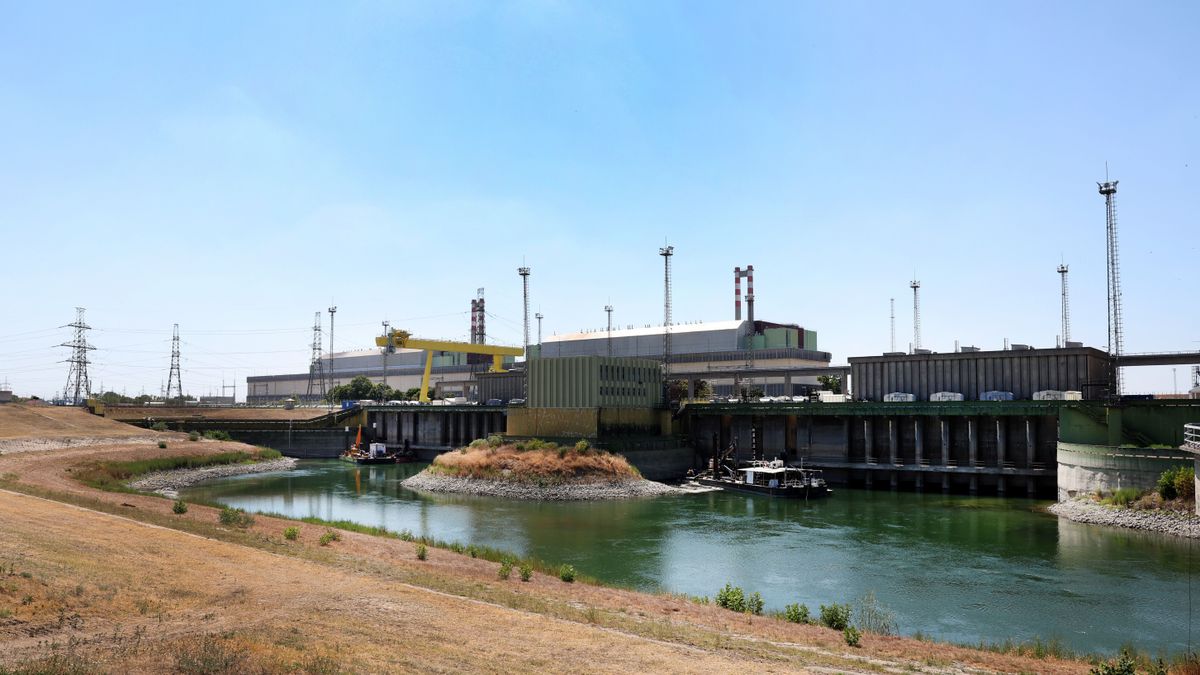
The Paks II nuclear power plant project in Hungary is incorporating advanced cooling solutions to address potential challenges posed by low river levels and high water temperatures in the Danube. The design includes supplementary peak cooling equipment intended to cool the heated water before it returns to the river, thereby mitigating the thermal load on the Danube and ensuring compliance with environmental regulations.
The Paks II investment's cooling concept also includes supplementary peak cooling equipment for the two new blocks. These may play a role in unfavorable Danube and meteorological conditions: if necessary, the heated cooling water is cooled down before it is returned to the Danube. This can reduce the river's thermal load and help comply with environmental limits.
A key aspect of the cooling strategy involves the water intake system, which will be positioned approximately two meters lower than that of the existing Paks plant. This adjustment is designed to provide a significant operational reserve, particularly during periods of extremely low water levels, ensuring a consistent water supply for the new reactors.
The Paks II water intake level will be about two meters lower than in the case of the current Paks nuclear power plant. This provides significantly greater technical reserve precisely in the case of extremely low Danube water levels.
Experts involved in the project, including those contributing to the atombiztos.org professional blog, stress the importance of distinguishing between three fundamental technical aspects: heat removal for nuclear safety, normal operational cooling for electricity generation, and compliance with environmental requirements for the Danube's thermal load. Confusing these issues, they warn, can lead to incorrect conclusions.
It is professionally incorrect to create the impression that specialists or the nuclear energy supervision have only now faced the issue of low water levels, high water temperatures, or supplementary cooling options.
These experts clarify that the current considerations regarding low water levels, high water temperatures, and supplementary cooling are not a reaction to a previously unrecognized design flaw. Instead, they represent a natural engineering and nuclear safety requirement for a facility designed for a lifespan of at least sixty years. Continuous evaluation of changing external conditions and enhancing the plant's resilience are standard practices in such long-term projects, especially in light of climate change projections.
It is a natural engineering and nuclear safety requirement for a nuclear facility planned for at least a sixty-year operating life to continuously evaluate changes in external conditions throughout the facility's entire life cycle and, if necessary, further increase its resilience.
DistantNews Editorial
Originally published by Magyar Nemzet in Hungarian. Translated, summarized, and contextualized by our editorial team with added local perspective. Read our editorial standards.
More Stories
From Our Blog

Countries Without a Free Press: What You Need to Know

What Press Freedom Means for the News You Read

What Gets Lost (and Found) When News Is Translated

The Critical Role of Diaspora Media in Global News

What Travellers Should Know About Countries with Restricted Press
