

What Are Copacos and What Are They For in CDMX?; Neighbors Renew Community Representation in Each Colony
Translated from Spanish, summarized and contextualized by DistantNews.
TLDR
- Residents of Mexico City are electing new Community Participation Commissions (Copaco) to represent neighborhood interests.
- Copaco members are elected every three years, with the current election involving over 23,000 candidates for positions across the city.
- Proposed reforms aim to transition from Copaco to more open "Neighborhood Assemblies," sparking debate about the future of community representation.
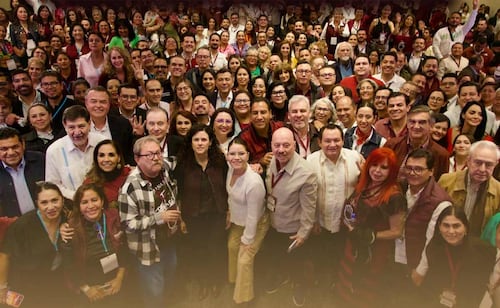
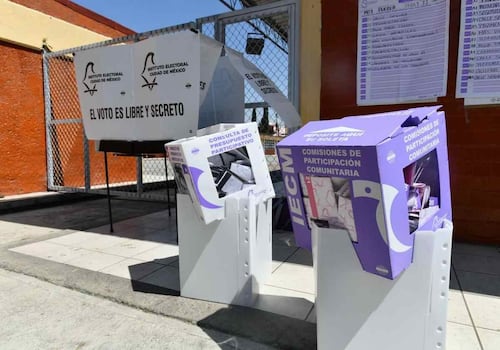
In the heart of Mexico City, a vital democratic exercise is underway as residents participate in the election of their Community Participation Commissions, or Copacos. These bodies serve as the crucial link between the citizenry and local authorities, ensuring that the collective interests of each neighborhood are voiced and considered. The triennial election process, meticulously organized by the Electoral Institute of Mexico City (IECM), underscores a commitment to grassroots governance and citizen engagement.
This year's elections are particularly significant due to proposed reforms that could reshape the landscape of community representation. Plans to evolve from the current Copaco structure to more inclusive and deliberative "Neighborhood Assemblies" have generated both anticipation and apprehension among residents. While the intention is to create a more robust system for citizen participation and oversight, concerns have been raised about potentially diluting the direct representation that Copacos currently provide.
El IPDP tiene el compromiso de mejorar y fortalecer los mecanismos de participación democrática de la vida pública de la ciudad. En este sentido, el párrafo será reformulado para que no quede ninguna duda sobre la continuidad de las Copacos
The Institute of Democratic Planning and Prospecting (IPDP) has moved to quell anxieties, affirming that the Copaco figure will remain intact within the proposed General Planning Document (PGD). This assurance is crucial for maintaining continuity and trust in the existing participatory mechanisms. Similarly, IECM President Patricia Avendaño expressed confidence in the enduring value of neighborhood representatives as essential interlocutors with city authorities, highlighting the strong public sentiment against any changes that might sideline community voices.
Son unos interlocutores válidos que pueden interactuar con la autoridad de la alcaldía, pero también con las otras autoridades de la Ciudad de México; entonces, yo confiaría que en el momento en que se decida hacer una reforma amplia de la Ley, no se deje de lado a la ciudadanía, porque inclusive ahora que se estaba planteando algún tipo de hipótesis con el PGD hubo mucha gente, de las propias colonias, que se manifestó enérgicamente en contra de que se modificara la figura o que no se les tomara en cuenta
DistantNews Editorial
Originally published by El Universal in Spanish. Translated, summarized, and contextualized by our editorial team with added local perspective. Read our editorial standards.
More Stories
From Our Blog

What Press Freedom Means for the News You Read

What Gets Lost (and Found) When News Is Translated

The Critical Role of Diaspora Media in Global News

What Travellers Should Know About Countries with Restricted Press

A Digital Nomad's Guide to Following Local News
