


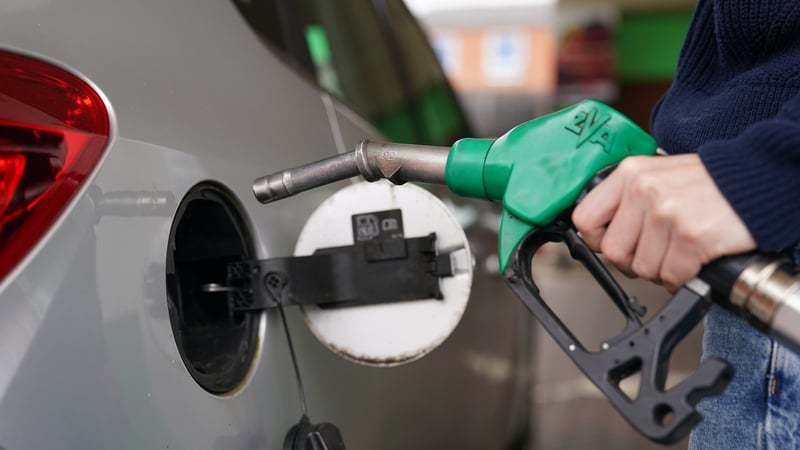
What do the latest fuel excise cuts mean for pump prices?
Summarized and contextualized by DistantNews.
TLDR
- Fuel excise duty cuts of 10 cents per litre for both diesel and petrol have taken effect in Ireland.
- Motorists may experience a lag in seeing lower prices at the pump as existing higher-taxed fuel supplies are sold.
- While the cuts aim to reduce prices, rising global oil prices and VAT could lessen the visible impact at the forecourt.
The Irish government's latest fuel excise duty cuts, implemented at midnight, offer a welcome, albeit potentially delayed, respite for consumers grappling with high fuel costs. RTÉ News reports that a further 10 cent reduction per litre on both diesel and petrol has been enacted, adding to previous cuts. However, the industry, represented by Fuels for Ireland, cautions that the full effect at the pump might not be immediate. Existing stocks of fuel, purchased at the higher excise rate, will need to be sold first, leading to a potential 48 to 72-hour lag before most stations reflect the new, lower prices. Adding another layer of complexity, global oil price fluctuations and the subsequent impact on wholesale prices, even after the excise reduction, could temper the savings motorists see. Fuels for Ireland notes that a recent increase in wholesale diesel prices, when combined with VAT, could offset a significant portion of the excise cut's benefit in the short term. While the price of Brent crude oil has seen some recent decline, the market remains volatile, underscoring the ongoing challenges in predicting stable pump prices. For Irish drivers, this means a period of adjustment as the new tax rates filter through the supply chain, with the hope that a stabilizing global oil market will soon allow the full benefit of the excise cuts to be realized.
some of the fuel arriving at sites in the immediate aftermath of the change will still have left facilities at the old excise rate
DistantNews Editorial
Originally published by RTÉ News. Summarized and contextualized by our editorial team with added local perspective. Read our editorial standards.
More Stories



From Our Blog

What Gets Lost (and Found) When News Is Translated

The Critical Role of Diaspora Media in Global News

What Travellers Should Know About Countries with Restricted Press

A Digital Nomad's Guide to Following Local News

How the Same Story Looks Different in Different Countries
