


What If Milei Has His Way? Argentina's Economic and Political Outlook
Translated from Spanish, summarized and contextualized by DistantNews.
TLDR
- Argentine President Javier Milei holds strong convictions about economic recovery and the vindication of his spokesperson, Manuel Adorni.
- Milei believes inflation will decrease, credit will grow, and the economy will rebound significantly within the next 18 months, a view echoed by Economy Minister Luis Caputo.
- The article discusses Milei's perception of media bias against his administration and recent controversies involving Adorni and journalist Ignacio Salerno.
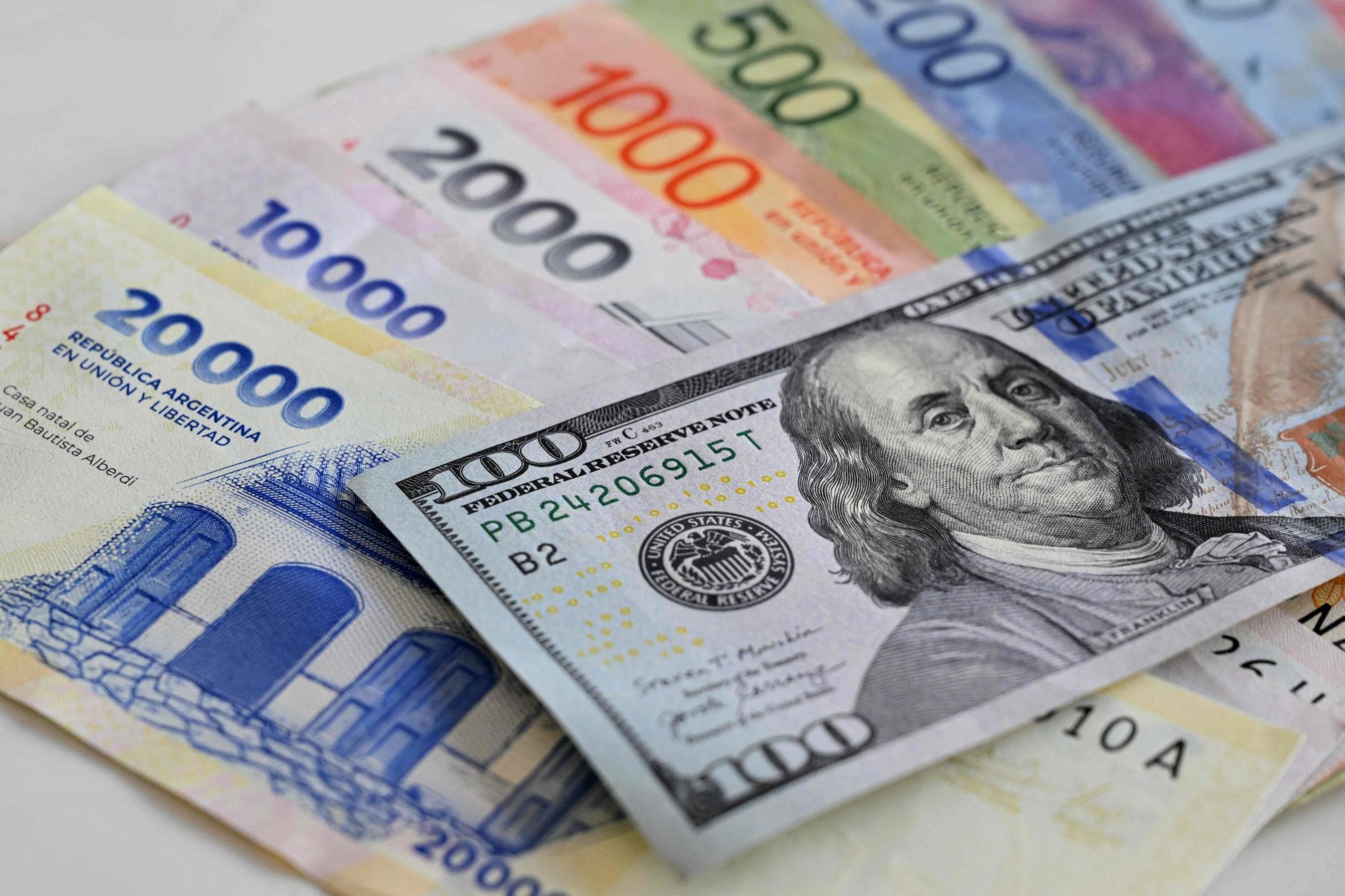
President Javier Milei's administration is forging ahead with a distinct vision, characterized by deep-seated convictions that challenge conventional economic and political analyses. As detailed by La Nación, Milei is confident that Argentina's economy is on the cusp of a significant turnaround, forecasting a decrease in inflation, a resurgence of credit, and a return to robust economic activity by 2025. This optimistic outlook is shared by Economy Minister Luis Caputo, who predicts the next 18 months will be the best in recent Argentine economic history.
No implicó ninguna erogación presupuestaria particular o extraordinaria, menos aun cuando existían más de 10 plazas disponibles para cada uno de los tramos aéreos realizados entre el 6 y el 11 de marzo
Beyond economic forecasts, Milei harbors a strong belief in the integrity and eventual vindication of his spokesperson, Manuel Adorni. Adorni recently faced scrutiny over using the presidential plane, but the case was dismissed due to a lack of evidence of undue expense. Milei views Adorni as an honest individual who has been unfairly targeted by a 'parallel, residual, and Kirchnerist intelligence service' and opportunistic media figures. This narrative frames Adorni's challenges not as personal failings but as politically motivated attacks.
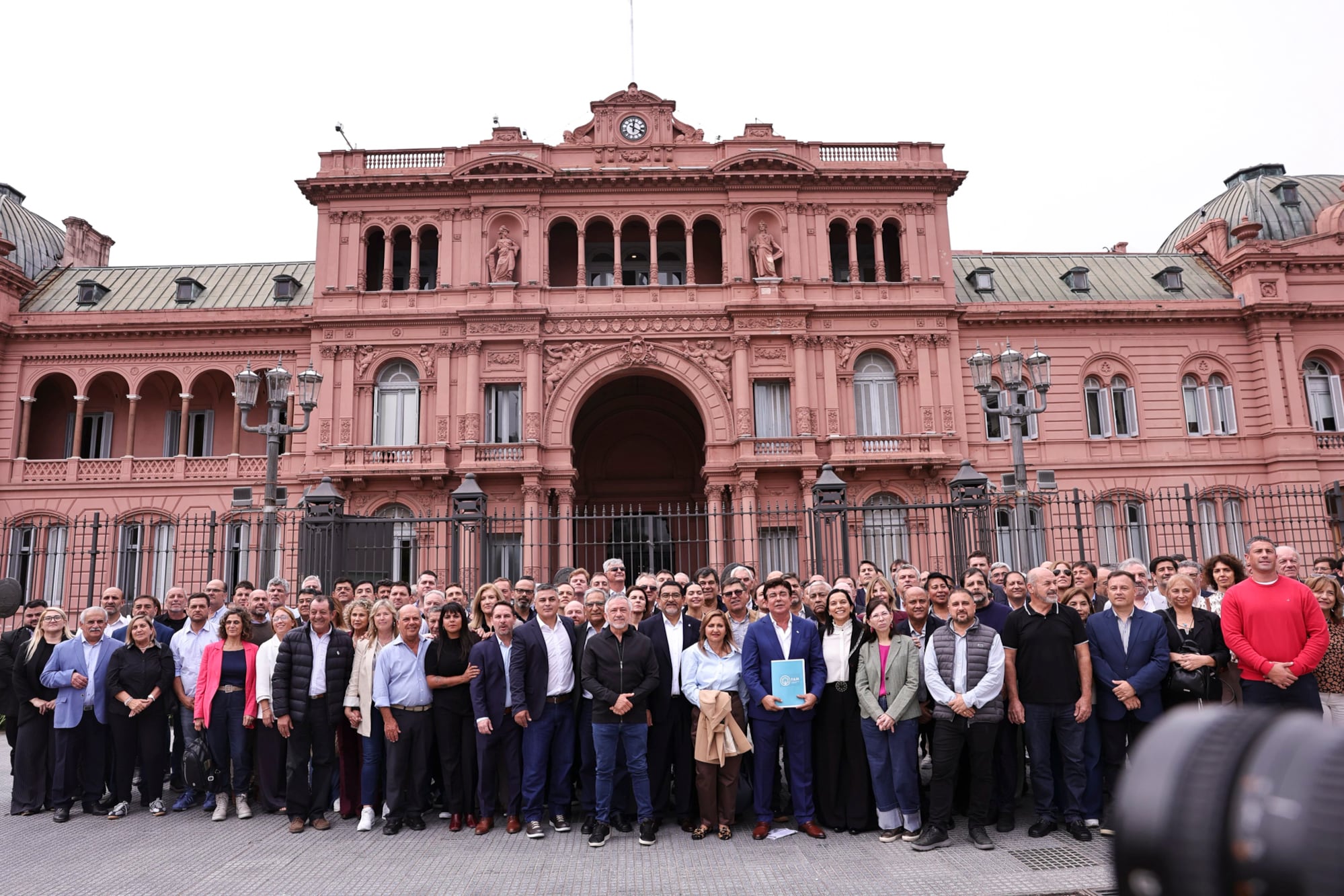
A significant point of contention highlighted in the article is Milei's perception of pervasive media hostility. He contends that a vast majority of journalists actively work to undermine his presidency or jeopardize his security. The incident involving TN journalist Ignacio Salerno, who is accused of illegal espionage for recording images of the Presidential Palace without authorization, is cited as an example. While acknowledging Salerno's 'grave imprudence,' the article also critiques the disproportionate response of barring accredited journalists from the Presidential Palace, suggesting a need for balanced reactions from both the government and the press.
operado” por canallas que trabajan para “una Side paralela, residual y kirchnerista”
From an Argentine perspective, this narrative of battling entrenched interests and biased media is a recurring theme in political discourse. Milei's supporters often see him as an outsider challenging a corrupt establishment, and his framing of Adorni's situation and the media's role resonates with this view. The article itself navigates this complex landscape, presenting Milei's convictions while also questioning the proportionality of certain government actions, such as the ban on journalists. This internal debate reflects the dynamic and often contentious relationship between the Argentine government, its media, and the public, particularly concerning issues of economic policy and political integrity.
Una, que, en otros países, se castiga, y con mucha severidad.
DistantNews Editorial
Originally published by La Nación in Spanish. Translated, summarized, and contextualized by our editorial team with added local perspective. Read our editorial standards.
More Stories

From Our Blog

What Gets Lost (and Found) When News Is Translated

The Critical Role of Diaspora Media in Global News

What Travellers Should Know About Countries with Restricted Press

A Digital Nomad's Guide to Following Local News

How the Same Story Looks Different in Different Countries
