

What the declassification of UFO documents means for the U.S. and why it matters, according to an expert
Translated from Spanish, summarized and contextualized by DistantNews.
TLDR
- The U.S. Department of Defense has declassified government files related to Unidentified Anomalous Phenomena (UAP), making them available online.
- An Argentine ufologist highlighted the significance of these declassifications, noting they include historical cases, some with Argentine connections.
- The released documents, including videos from U.S. Navy pilots, address aerial transit safety and national sovereignty concerns related to unidentified objects.
The United States has taken a significant step in transparency by declassifying a trove of government documents concerning Unidentified Anomalous Phenomena (UAP), now accessible on the Department of Defense's website. This move is being closely watched globally, particularly by researchers and enthusiasts like those in Argentina.
Este primer lote involucra muchos archivos provenientes del FBI, de la NASA, pero fundamentalmente del FBI, donde habla incluso de casos argentinos antiguamente, (...) hoy queden refrendados con esta oficialización realmente bastante contundente.
Andrea Pérez Simondini, director of the Argentine Commission for the Study of the UFO Phenomenon (CEFORA), emphasized the importance of this declassification. She noted that the released files, many originating from the FBI and NASA, corroborate previously investigated cases, including some from Argentina. This official acknowledgment lends significant weight to years of independent research and public interest in the phenomenon.
Ya logramos más de 10 clasificaciones, entre ellos el caso más conocido, el de Polanco, del 31 de julio del 95, que es un avión de Aerolíneas Argentinas que, al aterrizar en Bariloche, fue acompañado por un ovni y se cortó la luz.
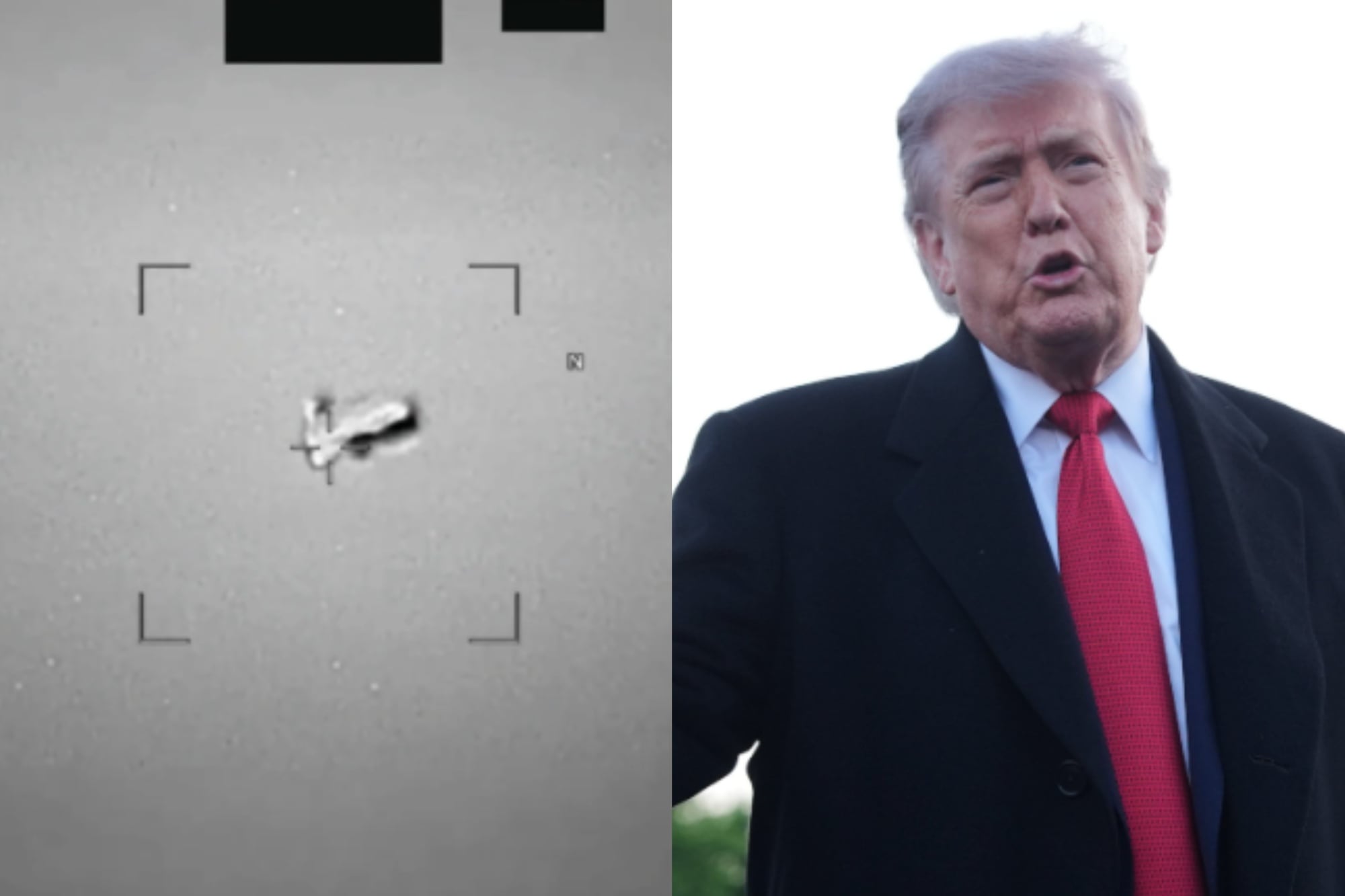
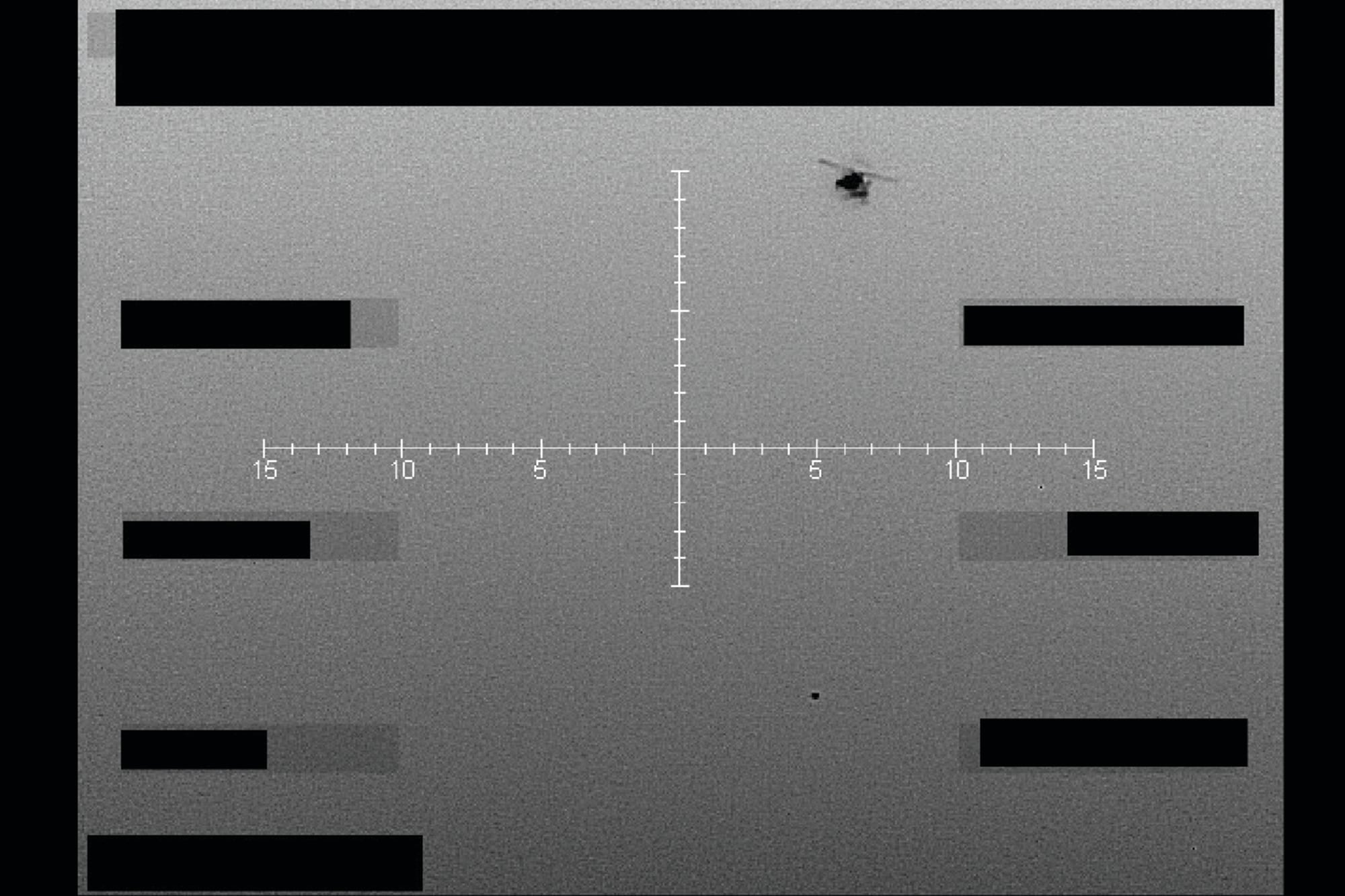
The inclusion of UAP-related documents, some dating back to 1947, and videos captured by U.S. Navy pilots, brings critical issues of aerial safety and national sovereignty to the forefront. As Simondini points out, the ability of these phenomena to seemingly traverse atmospheric, oceanic, and even subterranean environments defies conventional explanation, raising profound questions for governments worldwide.
Bueno, en principio es para evaluar y validar, porqué en estos archivos no solo encontramos expedientes del año 47, como en la Argentina, esto que te digo, el corte de luz nos permitió avanzar con la compañía eléctrica de Bariloche, en ese momento que logramos evaluar y el diagnóstico fue contundente.
From an Argentine perspective, this UAP declassification is particularly resonant. The country has a history of documented UFO sightings and investigations, such as the well-known Polanco case. The U.S. government's decision to release these files validates the seriousness with which the phenomenon is being treated at the highest levels, potentially encouraging further open discussion and investigation both internationally and within Argentina. It suggests a global shift towards acknowledging and studying these unexplained events, moving them from the fringes of speculation into the realm of official inquiry.
Como país, como Estado, tenés que garantizar la identificación de todo lo que sobrevuele.
DistantNews Editorial
Originally published by La Nación in Spanish. Translated, summarized, and contextualized by our editorial team with added local perspective. Read our editorial standards.
More Stories


From Our Blog

What Gets Lost (and Found) When News Is Translated

The Critical Role of Diaspora Media in Global News

What Travellers Should Know About Countries with Restricted Press

A Digital Nomad's Guide to Following Local News

How the Same Story Looks Different in Different Countries
