

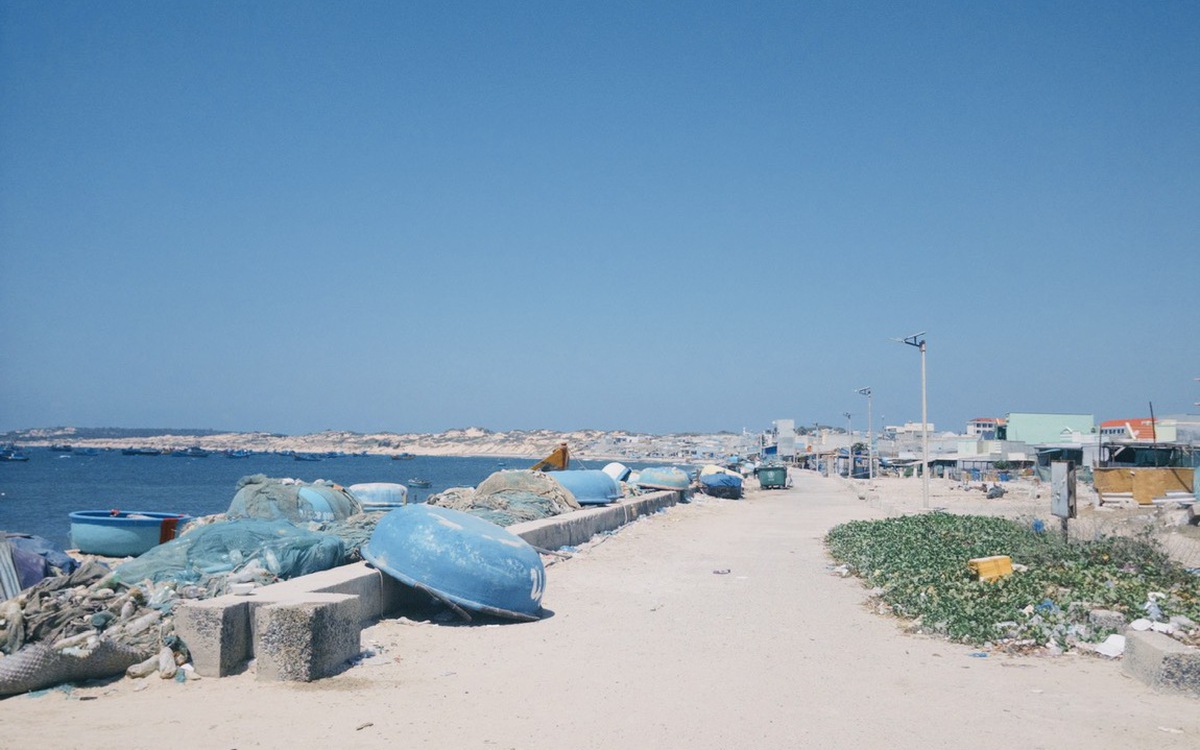
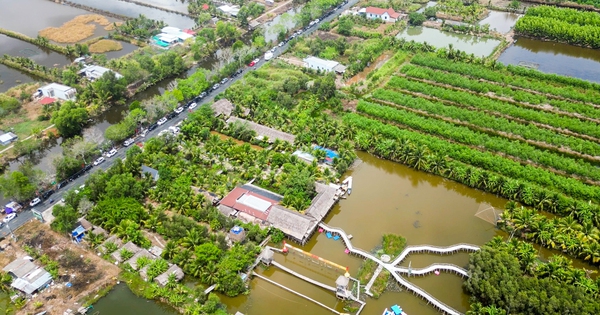
When People Leave Their Hometowns, the Countryside Becomes Hard to Live In
Translated from Vietnamese, summarized and contextualized by DistantNews.
TLDR
- A forum in Ca Mau province, Vietnam, discussed sustainable rural development and making rural areas more livable.
- While infrastructure has improved, speakers noted that people are leaving rural areas due to a lack of jobs and development opportunities.
- The discussion emphasized the need for rural development to focus on social aspects, community cohesion, and preserving local culture, not just physical infrastructure.
A recent forum in Ca Mau province, Vietnam, focused on the critical issue of sustainable rural development, aiming to transform the countryside into more desirable places to live. While acknowledging the significant improvements in rural infrastructure, with 43 out of 55 communes in Ca Mau now meeting new rural standards, participants raised concerns that these advancements alone are not enough to retain residents. The core challenge, as highlighted by various speakers, is ensuring that rural areas remain attractive places for people to live and work, fostering economic opportunities on their home soil.
Sustainable rural development, livable rural areas is a synthesis of safe living space, indigenous cultural space and cohesive relationship space.
Lê Văn Sử, Vice Chairman of the Ca Mau Provincial People's Committee, noted the visible changes in the rural landscape, including better transportation networks. However, he stressed that "sustainable rural development, livable rural areas" must be a holistic concept, encompassing safe living spaces, local culture, and strong community bonds, not merely quantifiable achievements. He emphasized that the U Minh Ha region, known for its Melaleuca forests, is not just a natural area but a repository of memory, culture, and identity for the southernmost part of Vietnam, and preserving the forest is akin to preserving the "soul of the land and water."
If you walk down that clean concrete road, but there is no livelihood, no laughter, no preserved memories, then the countryside is still not a livable space.
Former National Assembly Vice Chairman Lê Minh Hoan offered a particularly poignant perspective, arguing that even with pristine concrete roads, rural areas remain unlivable if residents lack employment, development prospects, and a connection to their traditional living spaces. He urged a shift in perspective, viewing the countryside not just as a physical space but as a complex social environment where community ties, local culture, and a sense of belonging are paramount. Hoan advocated for a multi-value approach to rural economic development, integrating agriculture with tourism, traditional crafts, local culture, and OCOP (One Commune One Product) initiatives to create diverse livelihoods and encourage people to stay in their hometowns. This nuanced discussion underscores that true rural development requires more than just infrastructure; it demands a focus on human connection, cultural preservation, and sustainable economic models that empower local communities.
Rural areas should not only be seen as a "physical space" but as a multi-layered "social space" where people maintain community cohesion, local culture, and a sense of belonging to their homeland.
DistantNews Editorial
Originally published by Thanh Niên in Vietnamese. Translated, summarized, and contextualized by our editorial team with added local perspective. Read our editorial standards.
More Stories

From Our Blog

What Gets Lost (and Found) When News Is Translated

The Critical Role of Diaspora Media in Global News

What Travellers Should Know About Countries with Restricted Press

A Digital Nomad's Guide to Following Local News

How the Same Story Looks Different in Different Countries
