


Where Are the Boundaries of Interim Government Power?
Translated from Malay, summarized and contextualized by DistantNews.
At a glance
Analysis
Sources not specified
Context piece
- The upcoming Johor State Election in 2026 highlights Malaysia's evolving political landscape, where coalition partners in the federal government compete at the state level.
- This phenomenon, termed 'partners in the center, rivals in the state,' challenges traditional understandings of the relationship between government, political parties, and public power.
- The article questions the boundaries of government authority during an interim period after a state legislative assembly is dissolved, emphasizing the need for careful and neutral administration.
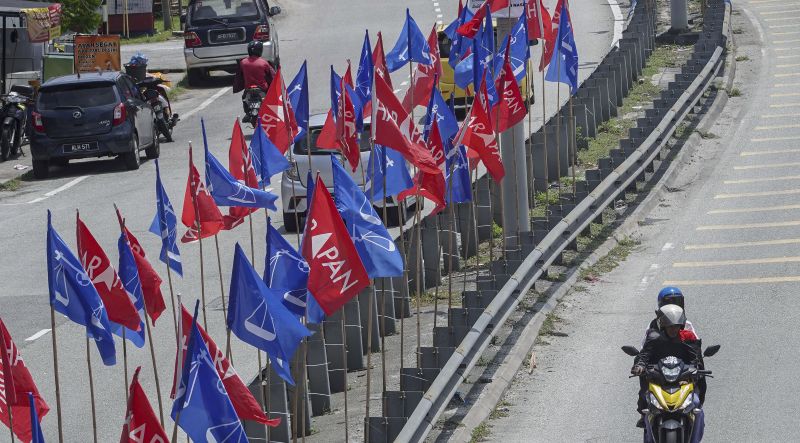
Malaysia's political scene is increasingly characterized by a dynamic where parties forming the federal government engage in direct competition in state elections, as exemplified by the upcoming Johor State Election in 2026. This 'partners in the center, rivals in the state' phenomenon goes beyond campaign rhetoric, fundamentally questioning how we perceive the interplay between government, political parties, and the exercise of public authority.
Historically, elections have served as the primary mechanism for citizens to express their mandate. However, the political landscape has shifted significantly since 2018, marking the beginning of a more fluid era where traditional political blocs are no longer predictable. The Johor election underscores this evolution, showcasing parties within the unity government at the federal level facing off as political opponents within the state.
While this situation might appear unusual to some, it does not necessarily contradict democratic principles or the federal system. Federal and state governments operate within distinct jurisdictions, and state citizens retain the right to choose their own government. Political parties are free to field candidates and present manifestos they deem suitable for the state.
The core issue arises when considering the conduct of ministers and the use of government resources during election periods. The article probes whether a minister attending an official event is acting as a government representative or a party leader. It questions whether development issues raised during campaigns are existing government policies or mere political promises. Furthermore, it asks if government premises used for programs are neutral platforms or disguised campaign stages.
This brings into focus the concept of an interim government. After a state legislative assembly is dissolved, public administration must continue to function, providing essential services. However, the authority of the government during this period is temporary and limited. It operates not with a full mandate, but cautiously, awaiting a new mandate from the people. This delicate balance highlights what is termed 'constitutional silence,' a concept that defines the boundaries of governmental power during the transitional phase of an election.
DistantNews Editorial
Originally published by Utusan Malaysia in Malay. Translated, summarized, and contextualized by our editorial team with added local perspective. Read our editorial standards.
More Stories



From Our Blog

What Gets Lost (and Found) When News Is Translated

The Critical Role of Diaspora Media in Global News

What Travellers Should Know About Countries with Restricted Press

A Digital Nomad's Guide to Following Local News

How the Same Story Looks Different in Different Countries
