

Where you can and can't walk your dog in Almaty: What the rules say
Summarized and contextualized by DistantNews.
At a glance
News
Named sources
Context piece
- A debate arose on social media in Almaty regarding a "No dog walking" sign installed by apartment residents.
- A lawyer clarified that only the local executive authority (akimat) can designate restricted pet-walking areas.
- Independent signs lack legal force, and residents must petition the akimat for restrictions.
A recent online discussion in Almaty centered on a "No dog walking" sign, reportedly placed by residents of an apartment building. The sign ignited a debate about the legality of such self-imposed restrictions. Tengrinews.kz investigated Kazakhstan's laws and local regulations to clarify the rules.
Lawyer Daniyar Baigabatov explained that while the Almaty maslikhat (local representative council) approves rules for walking domestic animals, only the akimat, the local executive authority, has the power to designate areas where pet walking is prohibited or restricted. Baigabatov emphasized that signs installed independently by residents hold no legal authority and constitute unauthorized actions. He advised that if residents wish to impose restrictions, they should submit a formal request to the akimat to consider installing official signs.
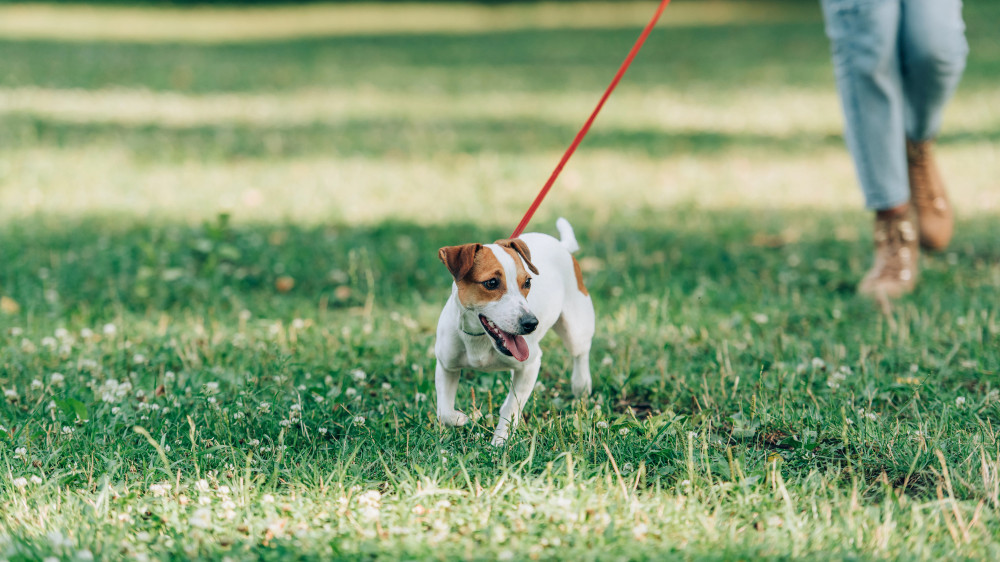
Under current Almaty regulations, dogs can only be off-leash in designated areas. In public spaces, a leash no longer than two meters is required. Dogs deemed to require special owner responsibility must be muzzled and kept on a leash, except on private, fenced property. Cats must be walked on a harness and leash. Even in prohibited zones, owners may pass through with their dog on a short leash, muzzled if necessary, provided the animal poses no danger.
Pet walking is prohibited on the grounds of kindergartens, schools, and hospitals, as well as on children's and sports playgrounds, and in areas officially marked with prohibition signs by the akimat. The rules also forbid allowing dogs to roam unsupervised or walking pets by individuals unable to control them, including those under the influence of alcohol or drugs. Violations can lead to administrative penalties, including fines ranging from 10 monthly calculation indices (43,250 tenge) for offenses like walking a dog without a required leash or muzzle, walking in prohibited areas, or failing to clean up after a pet.
In this case, it would constitute unauthorized action. If residents want to restrict dog walking in a particular area, they should submit a request to the local executive authority asking it to consider installing the appropriate sign.
DistantNews Editorial
Originally published by Tengrinews. Summarized and contextualized by our editorial team with added local perspective. Read our editorial standards.
More Stories


From Our Blog

What Gets Lost (and Found) When News Is Translated

The Critical Role of Diaspora Media in Global News

What Travellers Should Know About Countries with Restricted Press

A Digital Nomad's Guide to Following Local News

How the Same Story Looks Different in Different Countries
