

WHO Approves Malaria Drug for Infants and Young Children
Translated from Vietnamese, summarized and contextualized by DistantNews.
TLDR
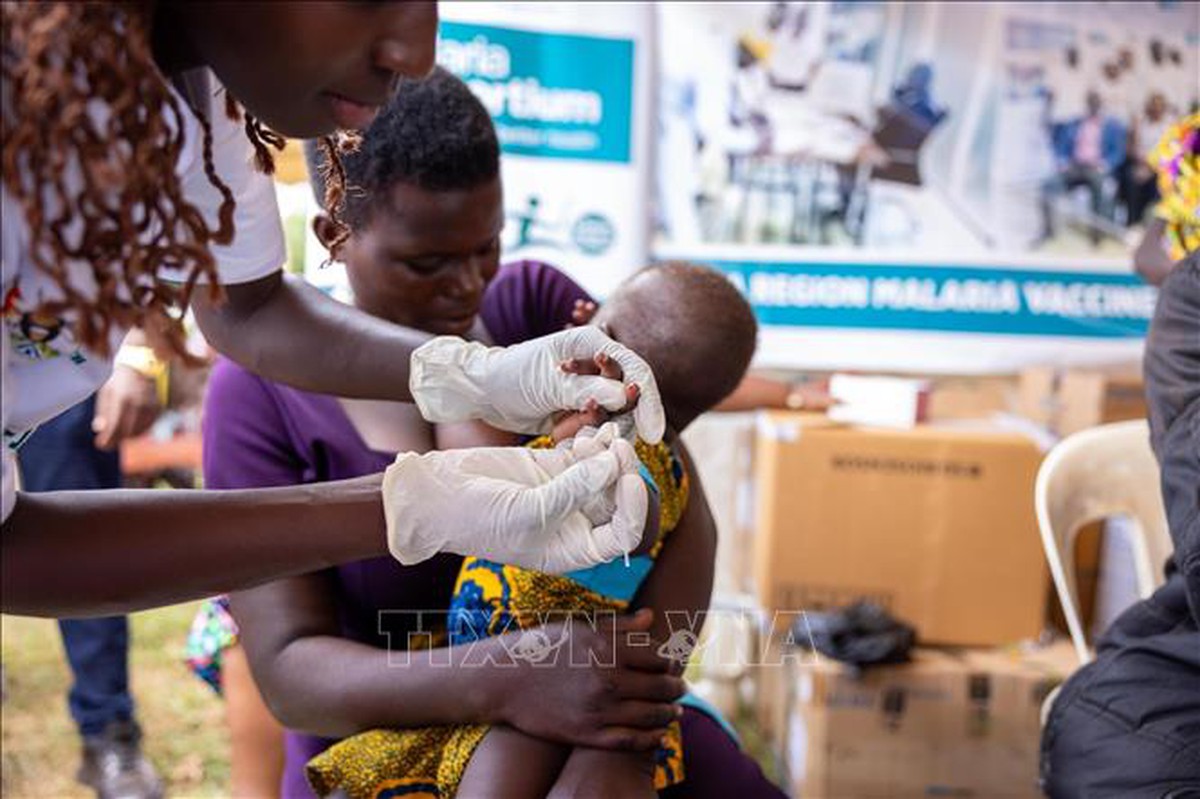
- The World Health Organization (WHO) has granted prequalification for a new artemether-lumefantrine malaria drug formulation specifically for infants and young children.
- This approval, occurring just before World Malaria Day, addresses a critical gap in treatment for newborns, reducing risks associated with incorrect dosages and side effects.
- Malaria remains a significant global health challenge, particularly in Africa, with the WHO urging sustained political and financial commitment to combat the disease.
The World Health Organization's (WHO) recent prequalification of a new malaria treatment for infants and young children marks a significant stride in global health equity. This development, announced just ahead of World Malaria Day, directly addresses a long-standing challenge: the lack of age-appropriate medication for the youngest and most vulnerable populations affected by this devastating disease. Previously, newborns and infants often had to rely on dosages formulated for older children, increasing the risk of adverse effects and treatment failure. The availability of a specialized formulation is a beacon of hope, promising to significantly improve treatment outcomes and safety for millions of young lives.
For centuries, malaria has stolen the children of families, as well as the health, wealth and hope of communities. But today, the story is changing.
WHO Director-General Tedros Adhanom Ghebreyesus aptly described this moment as a turning point, stating that "ending malaria within a generation is no longer a far-fetched dream." This sentiment is particularly resonant in regions like Africa, which bears the brunt of the malaria epidemic, accounting for 95% of cases and deaths. The new drug formulation is a crucial tool in this fight, offering a more effective and safer way to combat a disease that has historically robbed communities of their children, health, wealth, and hope. It underscores the importance of continued innovation and targeted interventions in public health.
New vaccines, diagnostic tests, next-generation mosquito nets and effective medicines, including those for the youngest children, are helping to reverse the situation.
However, the WHO also issued a stark warning, highlighting persistent challenges such as drug and insecticide resistance, diagnostic limitations, and a concerning decline in international funding. These obstacles threaten to undermine the progress made. The prequalification of this new drug is a vital step, but it must be accompanied by sustained political will and robust financial investment to ensure its widespread accessibility, especially in resource-limited settings. The global community must recognize that achieving the goal of malaria eradication requires a comprehensive and unwavering commitment, ensuring that life-saving treatments reach every child who needs them, regardless of their location.
Ending malaria within a generation is no longer a far-fetched dream, but this can only be achieved if sustained political and financial commitment is maintained.
DistantNews Editorial
Originally published by Tuổi Trẻ in Vietnamese. Translated, summarized, and contextualized by our editorial team with added local perspective. Read our editorial standards.
More Stories
From Our Blog

What Gets Lost (and Found) When News Is Translated

The Critical Role of Diaspora Media in Global News

What Travellers Should Know About Countries with Restricted Press

A Digital Nomad's Guide to Following Local News

How the Same Story Looks Different in Different Countries
