


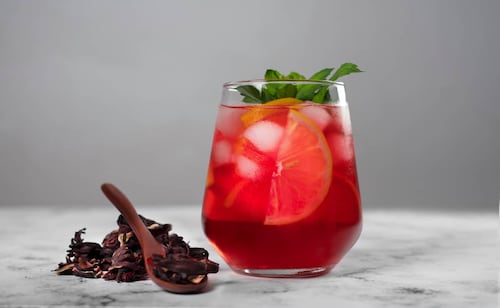
Who Cannot Drink Jamaica Water?
Translated from Spanish, summarized and contextualized by DistantNews.
TLDR
- Agua de jamaica, a popular hibiscus tea in Latin America, is associated with potential health benefits like blood pressure control.
- However, experts warn it can lower blood sugar and blood pressure, posing risks for individuals with diabetes or hypotension.
- The drink may also interact with various medications and is not recommended for pregnant women or those trying to conceive.
Agua de jamaica, a refreshing and tart beverage enjoyed across Latin America, is often lauded for its potential health benefits, including aiding in blood pressure management and improving digestion. However, as highlighted by the National Center for Documentation and Information on Medicines (Cenadim) in Peru, this popular drink is not suitable for everyone.
the flower of jamaica can reduce sugar levels, so in people with diabetes or who already use medications to control this condition, it could increase the risk of hypoglycemia.
Experts caution that hibiscus (Hibiscus sabdariffa) can significantly lower blood glucose levels. This poses a risk of hypoglycemia for individuals with diabetes or those already on medication to control blood sugar. Consuming agua de jamaica excessively or without medical supervision could lead to dangerously low glucose levels, manifesting as dizziness, weakness, sweating, or confusion. Similarly, its hypotensive effect, while potentially beneficial for some, can be dangerous for individuals with low blood pressure or those taking antihypertensive medications. It could potentiate the effects of such treatments, leading to hypotension with symptoms like fatigue, blurred vision, fainting, or weakness.
Hibiscus sabdariffa can contribute to lowering systolic and diastolic blood pressure.
Furthermore, hibiscus can interact with a range of medications, including antihypertensives, antidiabetics, chloroquine, erlotinib, arginine, simvastatin, diclofenac, caffeine, and paracetamol. These interactions may alter the absorption, concentration, or elimination of the drugs in the body, necessitating caution for those on constant medical treatment. Pregnant women, or those attempting to conceive, are also advised against frequent consumption due to potential negative impacts on fertility and the risks associated with pregnancy. Children, the elderly, and individuals with chronic illnesses or those on regular medication should consume it with particular care, as fluctuations in blood pressure or glucose can have a more pronounced impact on these groups.
these interactions can alter the absorption, concentration, or elimination of medications in the body, so caution is recommended in people under constant medical treatment.
DistantNews Editorial
Originally published by El Universal in Spanish. Translated, summarized, and contextualized by our editorial team with added local perspective. Read our editorial standards.
More Stories


From Our Blog

What Press Freedom Means for the News You Read

What Gets Lost (and Found) When News Is Translated

The Critical Role of Diaspora Media in Global News

What Travellers Should Know About Countries with Restricted Press

A Digital Nomad's Guide to Following Local News
